
Last updated September 10, 2026
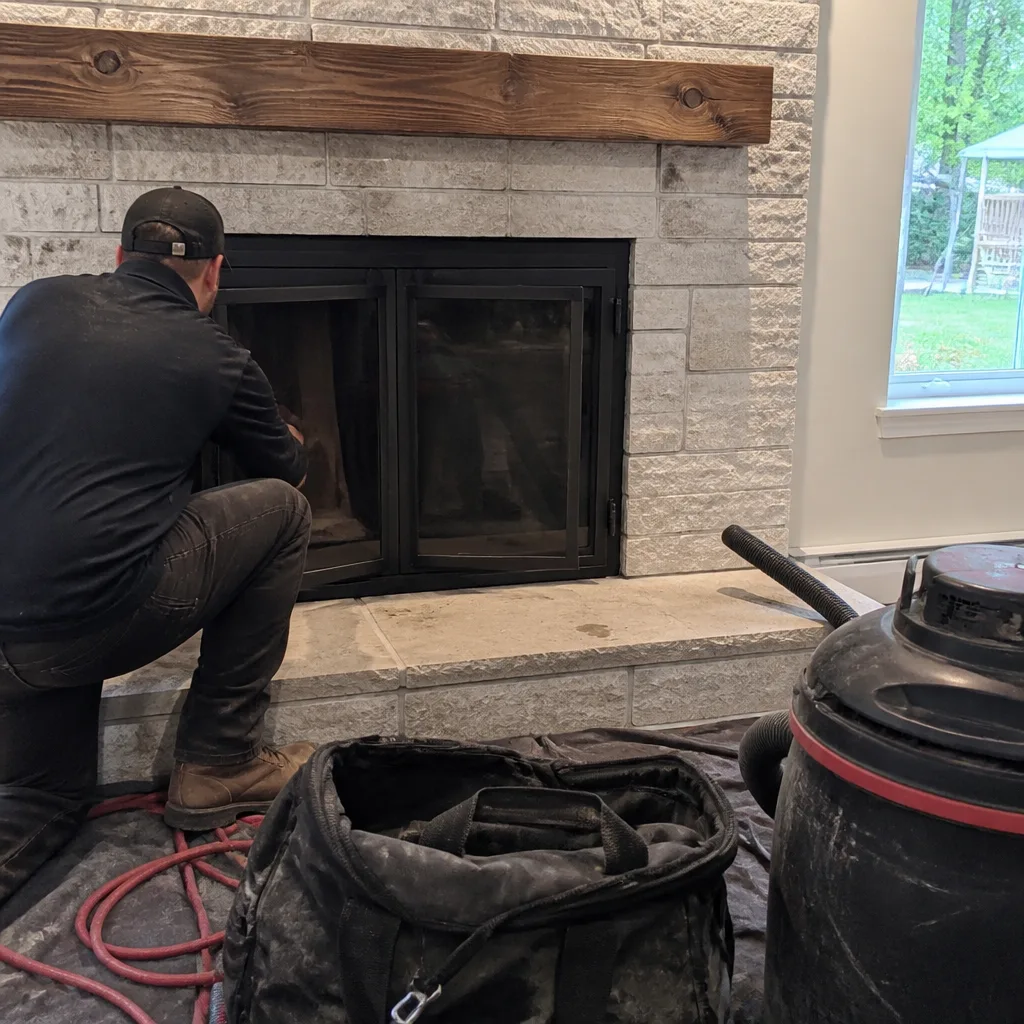
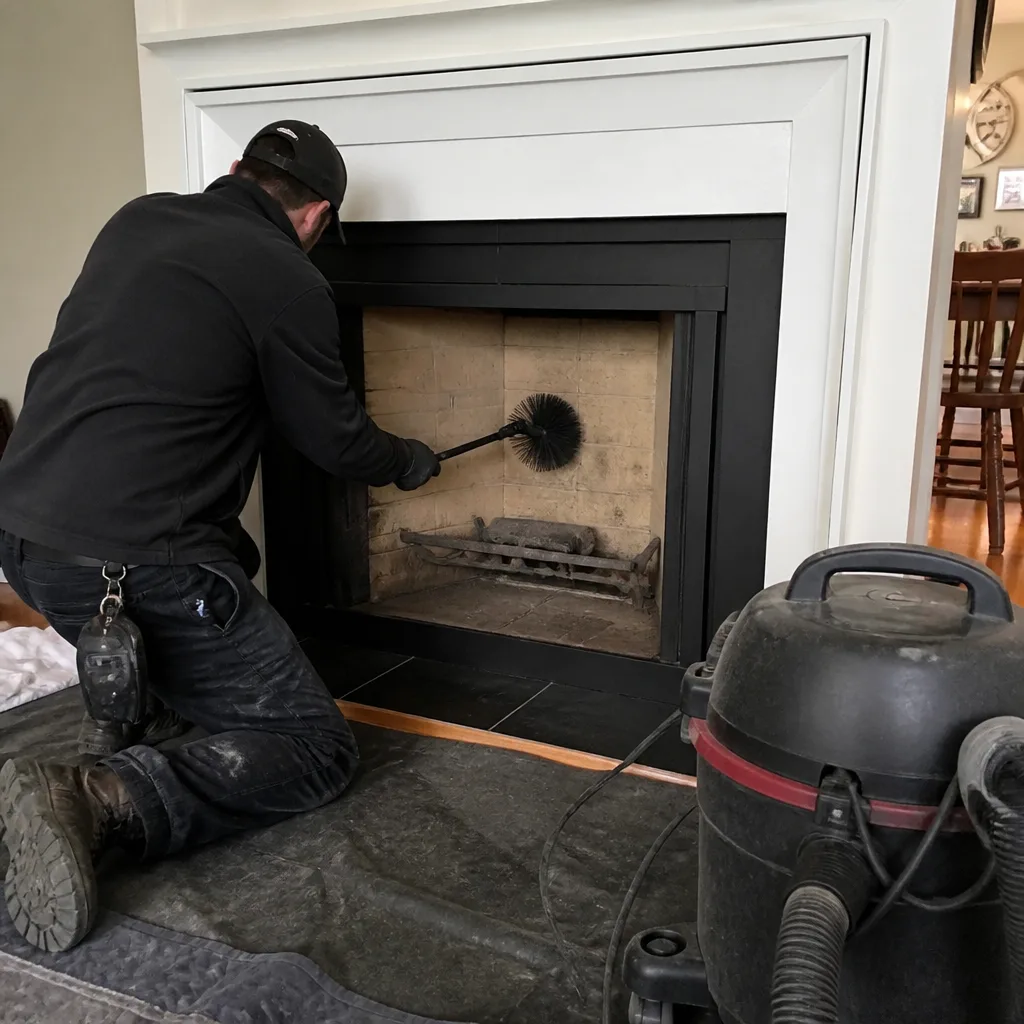
Level 1 sweep and inspection to the NFPA 211 annual standard - flue, crown, cap, and flashing checked and photographed
Chimney sweep logs do not sweep chimneys. They loosen some creosote - which then falls where a brush and vacuum still have to collect it.
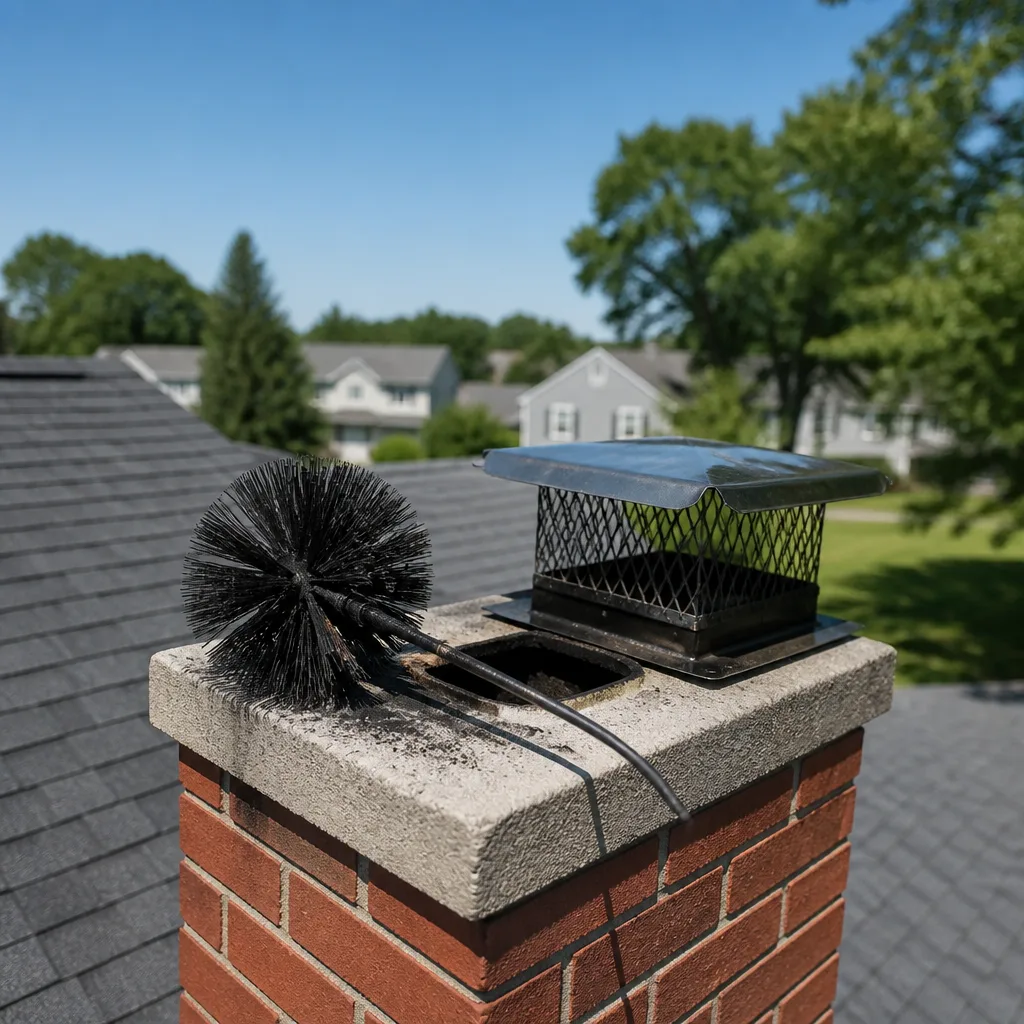
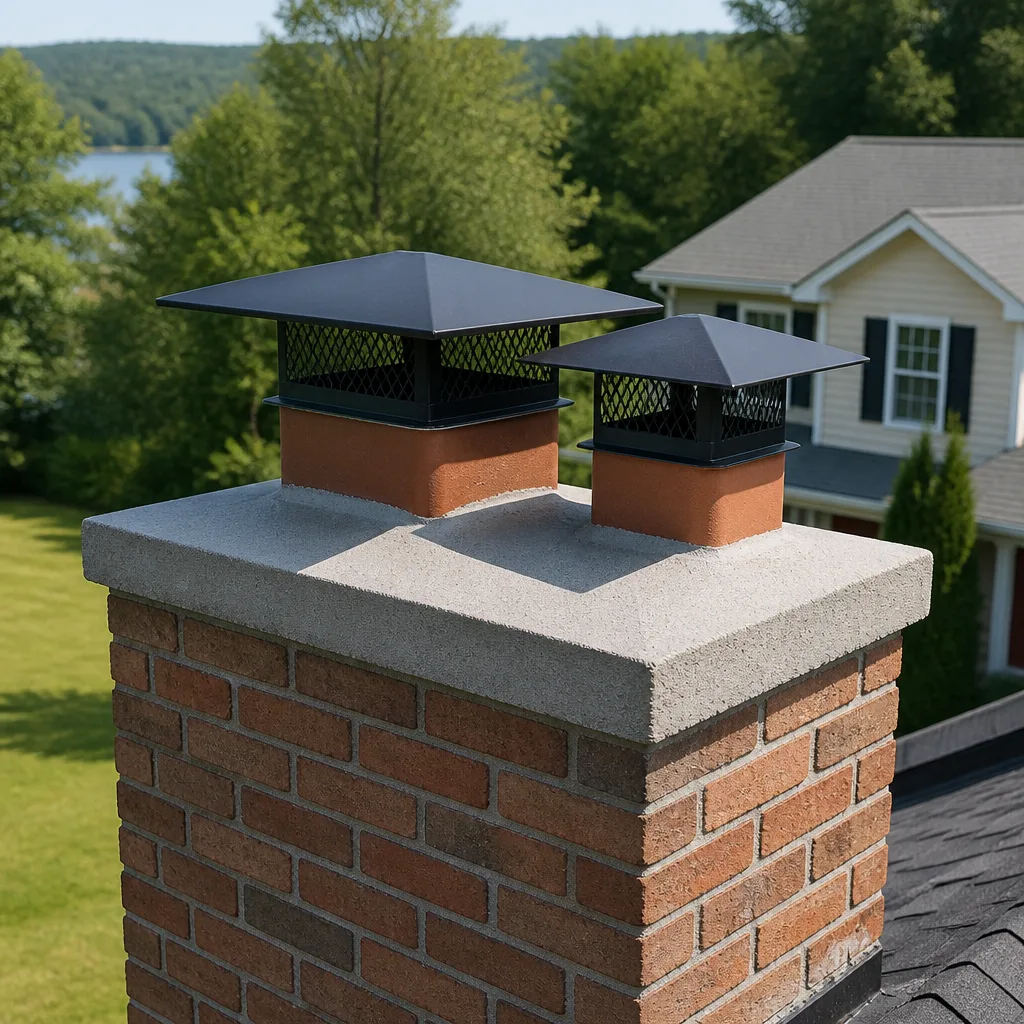
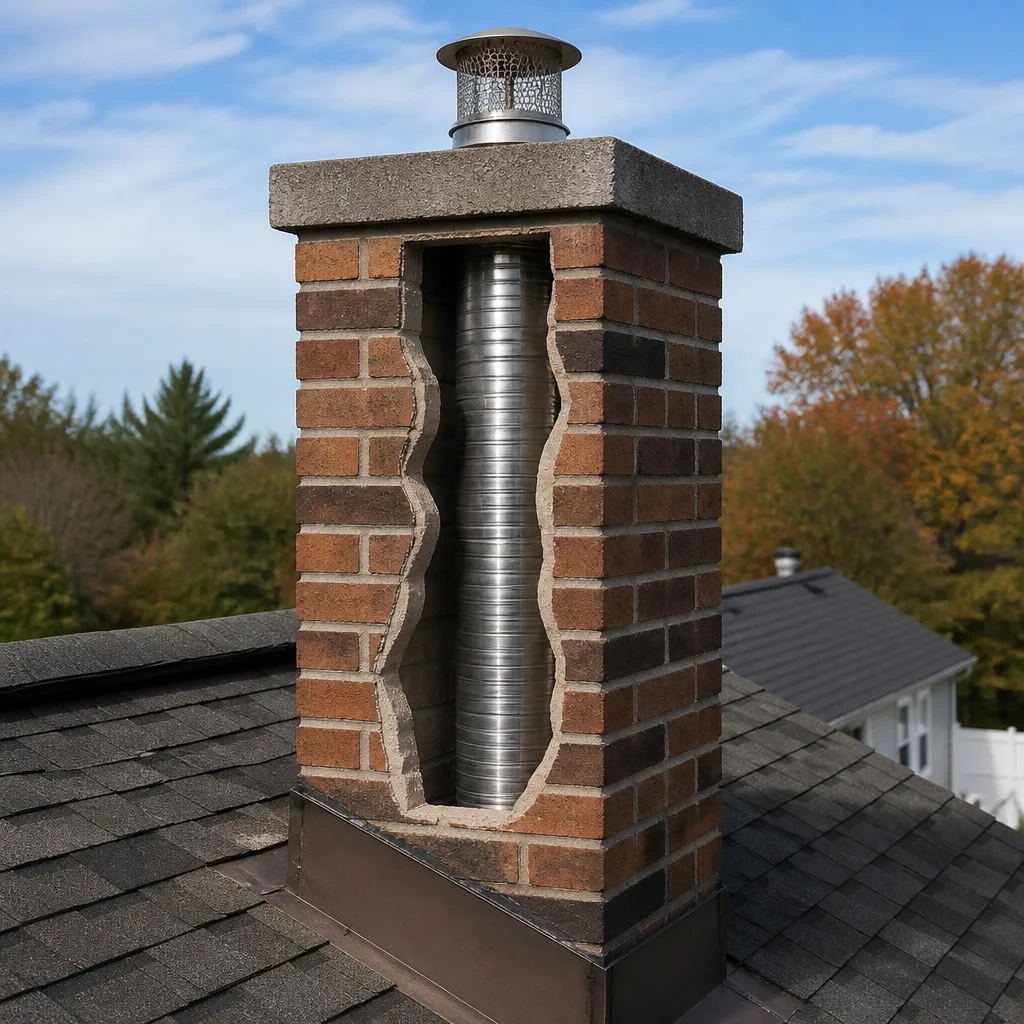
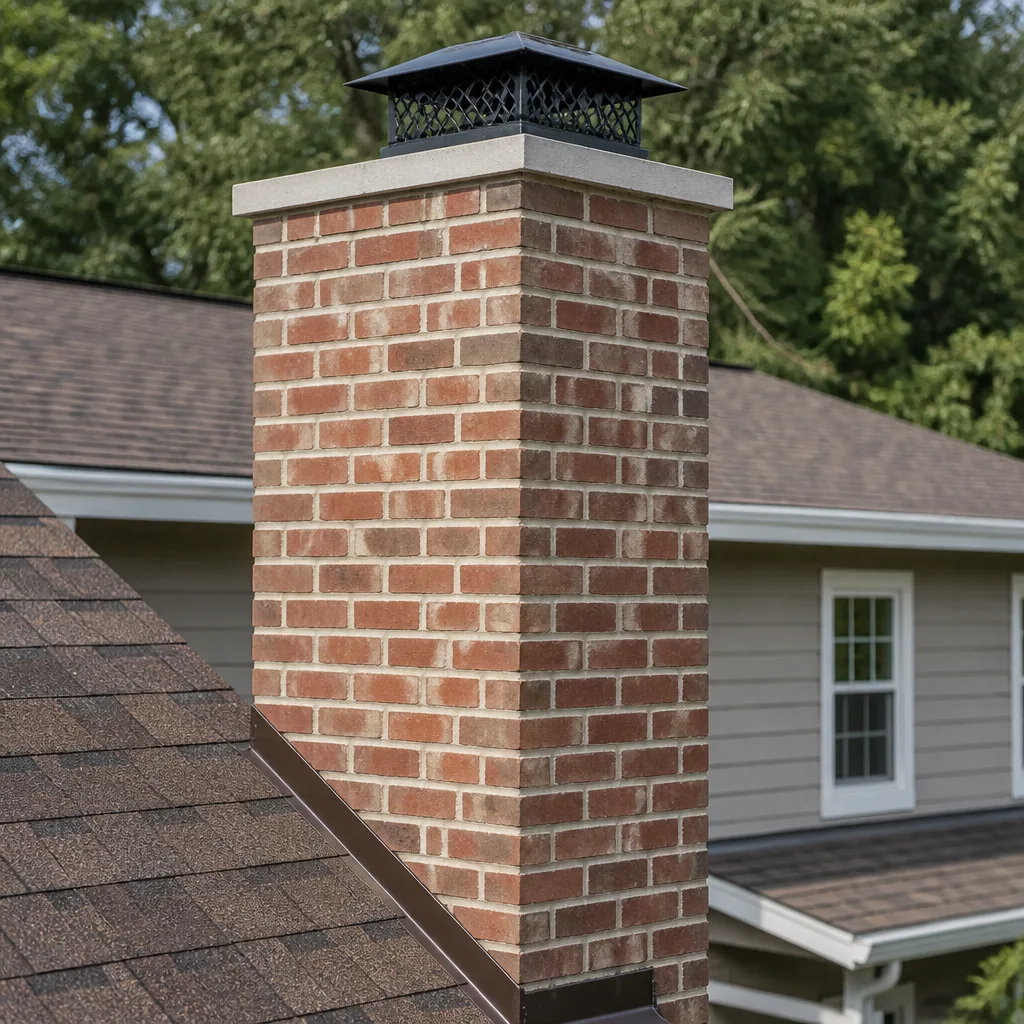
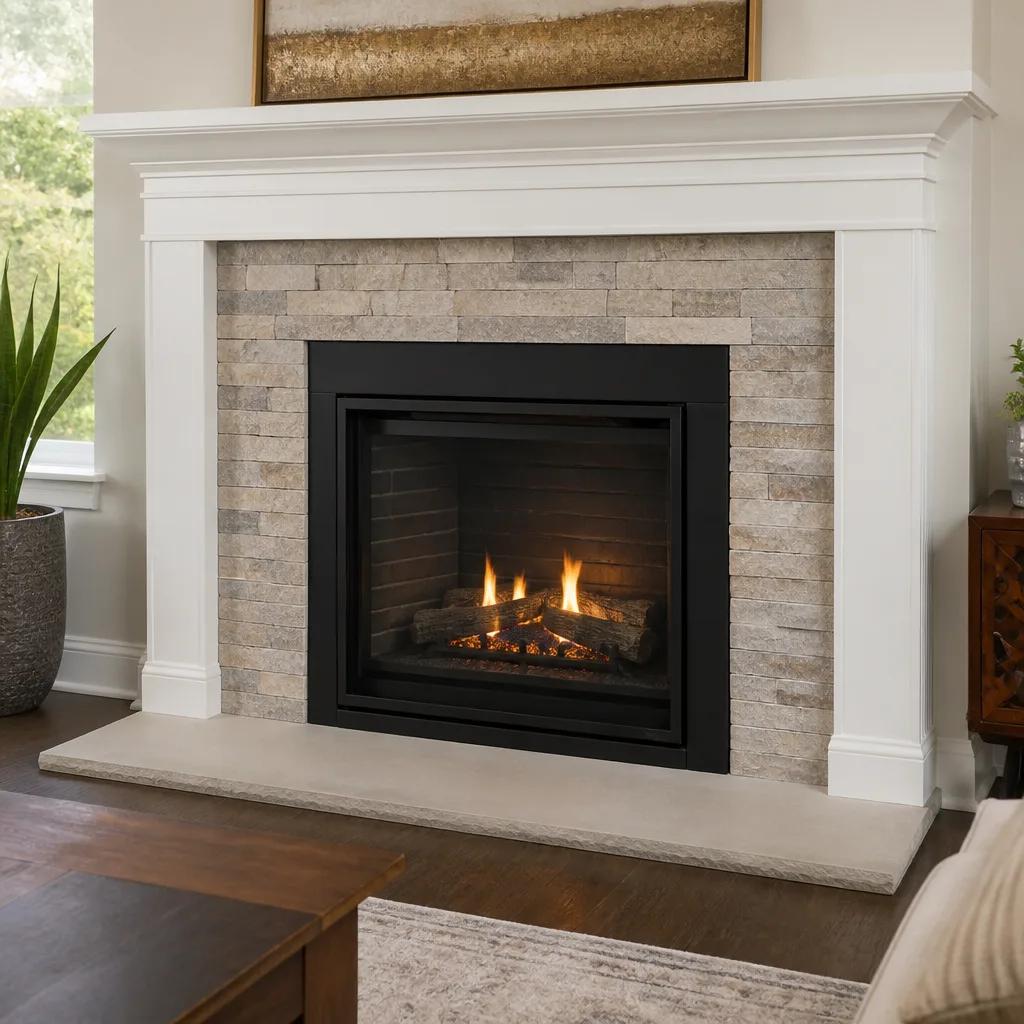
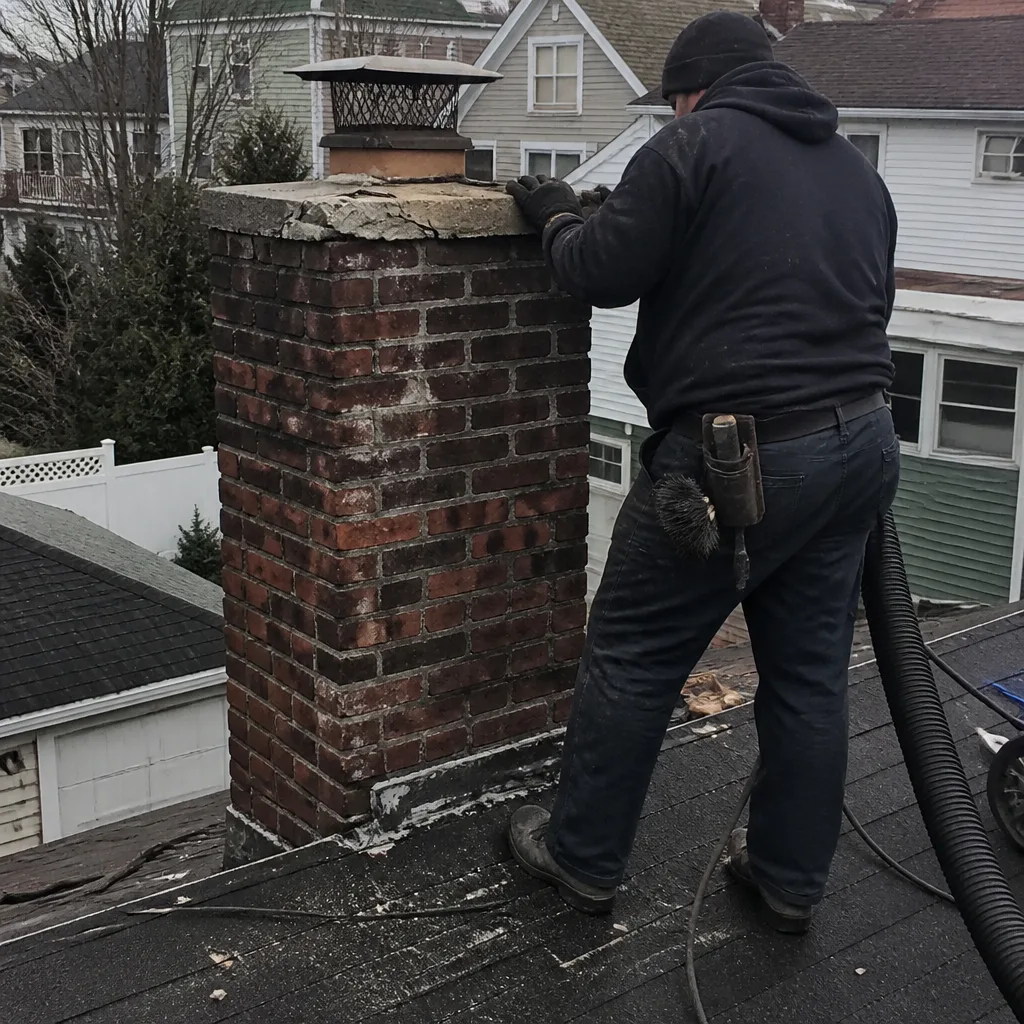 Before
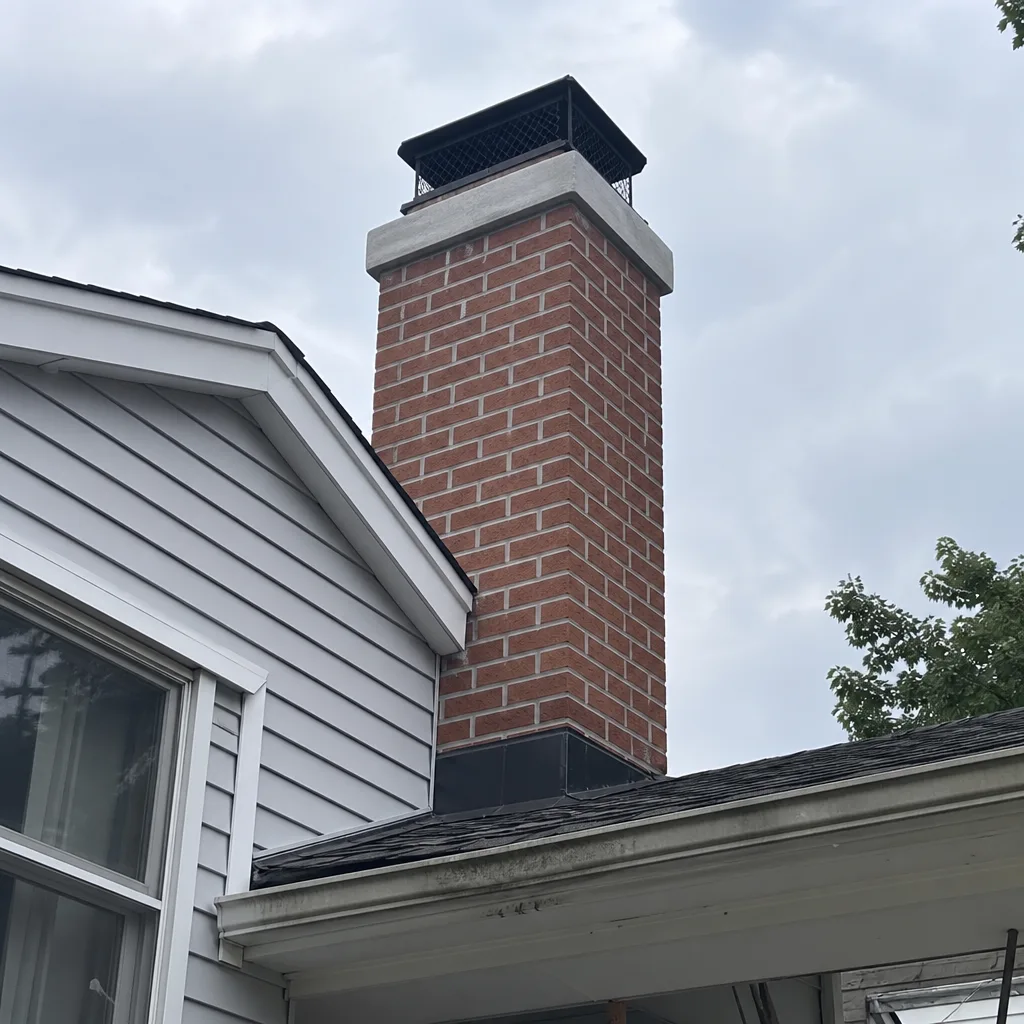 After
After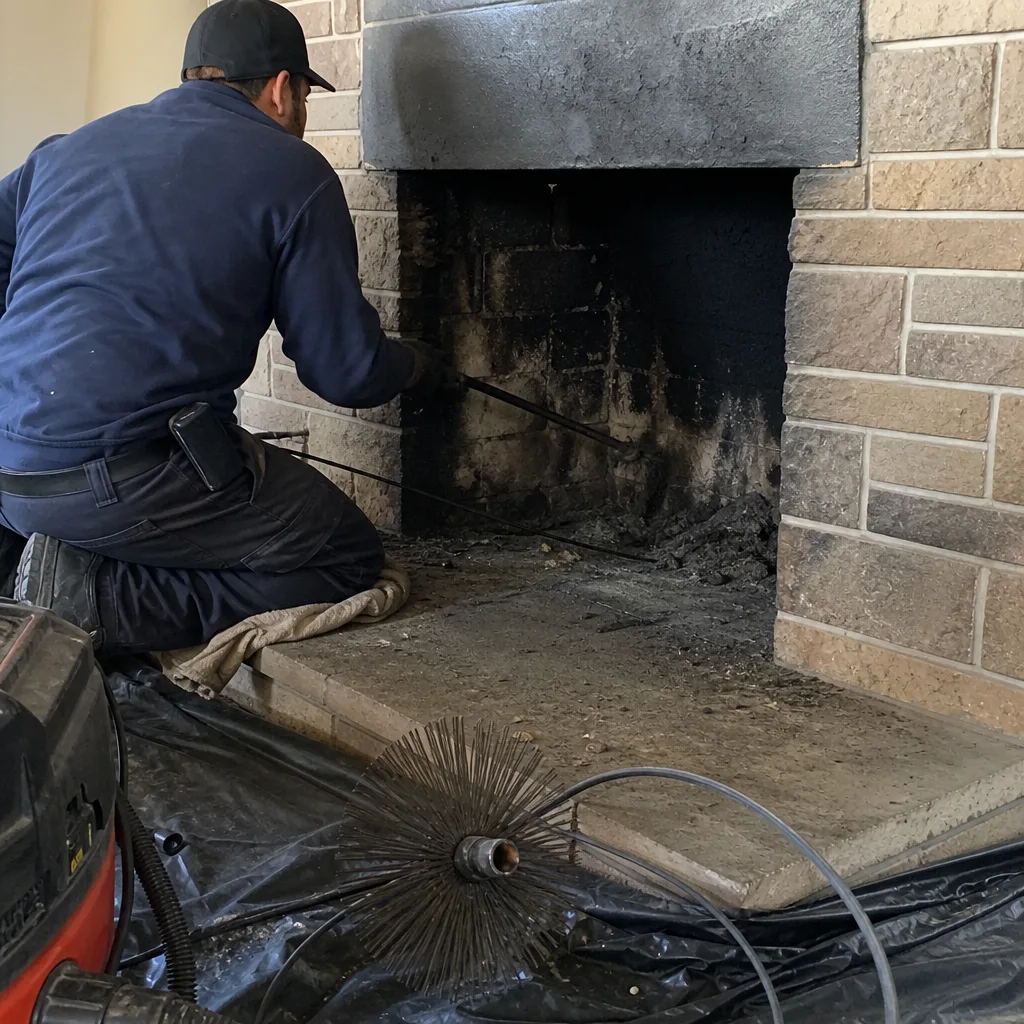 Before
 After
After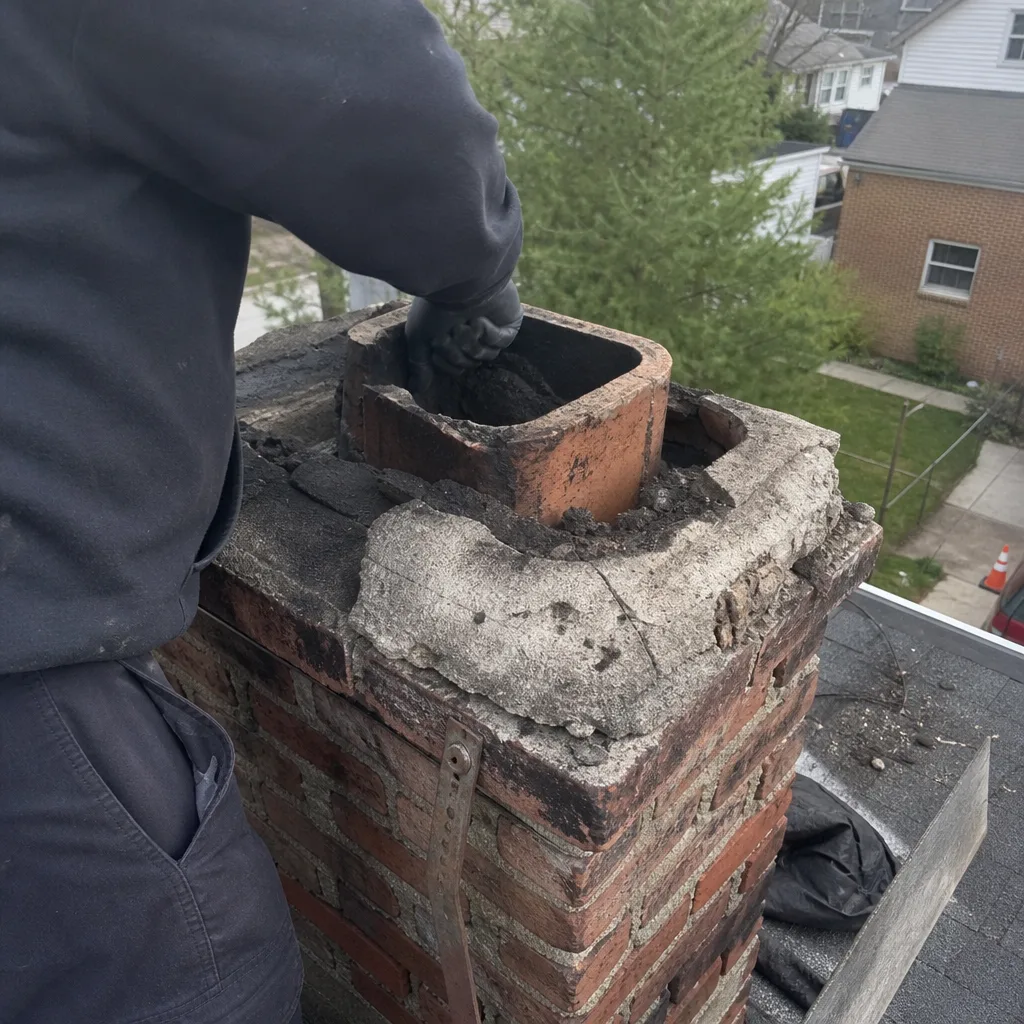 Before
 After
AfterChimney Cleaning & Sweep Maintenance Checklist for Elizabeth Homeowners
The creosote fire that closes a flue for a season rarely starts during the sweep visit. It starts in February, after three weeks of back-to-back burns, when nobody checked the firebox for cracked brick or a stuck damper. Most checklists end when the sweep truck pulls away. This one doesn’t. In Elizabeth, where our freeze-thaw cycles are sharper than coastal Jersey and our housing stock runs from 1890s Victorians in Westminster to post-war ranches in Elmora Hills, a chimney needs watching year-round. What follows is the owner’s logbook we keep for our own hearths - adapted for the rhythms of Union County life, with month-by-month tasks, post-storm checks, and the three damper tests that take five minutes and can save a winter. For more detail, see our The Complete Guide to Chimney Cleaning in Elizabeth.
Quick Answer
Elizabeth homeowners should have their chimney professionally swept once annually, perform monthly visual inspections of the cap, crown, and firebox, and keep a burn log to speed diagnosis at the yearly visit. Between sweeps, test the damper before each season, check for water intrusion after heavy rain or wind, and photograph every professional cleaning to build a year-over-year baseline. This routine catches creosote buildup, liner damage, and water entry before they become expensive repairs.
Table of Contents
- Why Year-Round Maintenance Matters in Elizabeth
- Month-by-Month Homeowner Inspection Rhythm
- What to Check After Union County Wind and Rain Events
- How to Keep a Burn Log That Saves Money at the Annual Sweep
- The Three Damper Tests Every Homeowner Should Know
- What to Photograph and Save From Every Professional Cleaning
- Common Mistakes to Avoid
- When to Call a Professional
- Frequently Asked Questions
Why Year-Round Maintenance Matters in Elizabeth
Elizabeth sits at a geographic crossroads that punishes chimneys. We’re inland enough to get real cold - January lows in the teens are ordinary - but close enough to the Arthur Kill and Newark Bay that salt-laden wind drives moisture into mortar joints. Our summers are humid enough to grow mildew in a neglected firebox. And our spring storms, rolling off the Watchung Mountains, can deliver sixty-mile gusts that shift chimney caps and drive rain sideways into flues that were “fine” in October.
In our 42 years serving Union County, we’ve seen the pattern repeat. The homeowner who calls in November with a $3,400 liner replacement often could have caught the problem in March, when a single displaced flue tile or hairline crown crack was still a repair, not a rebuild. The difference is a checklist that lives on the refrigerator, not in the sweep’s truck.
Elizabeth’s building stock amplifies the risk. The older homes in the North End and Downtown were built with unlined brick chimneys or early terra-cotta flue liners that have survived a century of coal, oil, and wood fires. The mid-century homes in Westminster and Bayway often have factory-built metal chimneys whose chase covers rust from the inside out, invisible from the ground. Neither type forgives neglect.
Here’s what year-round attention actually prevents:
- Creosote glazing - the hard, shiny deposit that forms when wood burns cool and wet. Once glazed, it cannot be removed with a standard brush. It requires a chemical treatment and a second visit. Caught early, it’s a normal sweep.
- Freeze-thaw spalling - water enters a crown crack in October, freezes in January, and pops off concrete chunks by March. In Elizabeth’s climate, a $180 crown seal in fall beats a $1,400 crown rebuild in spring.
- Liner displacement - a single shifted tile creates a gap where creosote accumulates and heat escapes into framing. The NFPA reports that confined chimney fires peak in January and February, when flues are dirtiest and drafts are weakest.
- Carbon monoxide backdraft - a blocked or partially obstructed flue can force exhaust into living space. This is not a dramatic event. It is a headache, a foggy feeling, a detector that chirps at 2 a.m. The fix is usually a sweep and a damper adjustment, but only if someone notices.
The chimney cleaning and sweep we perform annually is the foundation. What follows is the structure you build on top of it.
Month-by-Month Homeowner Inspection Rhythm
We organize this by season because Elizabeth’s climate demands it. The tasks are simple enough to complete in fifteen minutes, with a flashlight and a stepladder. Do them on the first Saturday of the month, before you forget.
September: The Pre-Season Check
Before you touch a match, verify the basics. Open the damper fully and shine a flashlight up the flue. You’re looking for:
- Bird nests or squirrel debris (common in Elizabeth’s mature-tree neighborhoods)
- White or gray flaky deposits on flue walls - early creosote
- Daylight visible through cracks in a masonry flue, or rust streaks in a metal one
- Water stains or efflorescence (white powder) on the smoke chamber walls
Close the damper and inspect the firebox. Cracked firebrick should be repaired before the first fire; heat expands cracks, and expanding cracks shove adjacent brick out of place. Run your hand along the back wall. Any loose mortar? Note it.
Walk outside. The chimney cap should sit square, with no visible gaps between cap and flue tile. The crown should shed water; if you see a depression or a crack, water is pooling. In Elmora Hills, where the soil settles, we’ve seen crowns tilt enough to create a birdbath effect. That ends badly.
October Through March: Monthly Firebox and Ash Management
During burning season, check the firebox weekly, not monthly. Remove ash when it reaches four inches deep - deeper ash insulates the firebox floor and causes incomplete combustion, which creates more creosote. But leave an inch of ash; it reflects heat and protects the firebrick.
Once a month, with the firebox cold and empty, inspect:
- The throat damper - open and close it fully. It should move smoothly and seat flat. Any grinding or catching means creosote buildup on the frame or a warped plate.
- The smoke shelf - shine a flashlight up past the damper. The smoke shelf (the flat area behind the damper) collects debris and should be relatively clean. Heavy soot here means your fires are smoldering, not burning.
- The firebox floor and walls - new cracks, spalling brick faces, or mortar falling out are all signs of overheating or water intrusion.
- The hearth extension - the non-combustible surface in front of the firebox. It should be intact, with no gaps where embers could reach flooring.
In February, after the heaviest use, do a full cap-to-crown inspection from the ground or a ladder. Ice damming on the roof can crack crowns. The freeze-thaw cycle in Elizabeth is relentless; we’ve replaced more crowns in March than any other month.
April: Post-Season Shutdown
Your last fire is done. Once the chimney is cold (wait a week), close the damper to prevent humid spring air from entering. But first, inspect:
- Final creosote level - heavy buildup means you burned wet wood, had poor draft, or ran the fire too cool. Adjust next season.
- Firebox condition - any damage that worsened over winter needs repair before fall.
- Cap and crown - winter is hard on both. Spring rains will exploit any crack.
Schedule your annual sweep now, before the October rush. Hearthstone Chimney Co. books into summer; the work is easier in warm weather, and you’ll have time to address any repairs before the first cold night.
May Through August: Off-Season Monitoring
Check monthly for water intrusion. A chimney that leaks in summer is a chimney that will fail in winter. Look for:
- Musty smell in the firebox - moisture is entering somewhere
- Rust on the damper or fire grate - condensation or direct water entry
- Vegetation growth on the crown or in mortar joints - roots hold moisture
- Staining on interior walls near the chimney breast - water traveling down the flue or through cracked mortar
June is ideal for crown sealing and minor masonry repairs. Materials cure better in warm, dry weather. We’ve done crown work in Elizabeth in August that still looked new five years later; the same repair in November often needs touch-up by spring.
What to Check After Union County Wind and Rain Events
Elizabeth gets two kinds of destructive weather: spring and summer thunderstorms with straight-line winds, and coastal remnants that track up from the south with sustained rain. After either, check your chimney within 24 hours if possible.
Wind damage - what to look for:
- Cap displacement or missing cap - a cap lifted by wind exposes the flue to rain and animals. From the ground, the cap should look centered. If it’s cocked or gone, call before the next rain.
- Crown cracks or chips - wind-driven debris strikes harder than you’d think. We’ve found pine cones embedded in soft crown mortar after June storms in the Elmora Woods area.
- Flashing gaps - the metal where chimney meets roof can lift in wind. Look for lifted edges or new nail heads visible.
- Brick or stucco debris at the base - any material on the ground came from somewhere. Find the source.
Rain damage - what to look for:
- Water in the firebox - the most obvious sign. Trace the entry point: cap, crown, flashing, or porous brick.
- Efflorescence bloom - white mineral deposits that appear within days of heavy wetting. They mean water is moving through masonry.
- Damp smell - even without visible water, a musty firebox indicates chronic moisture.
- Rust streaks - on metal dampers, grates, or in metal flues. Rust never sleeps; it only accelerates.
In Bayway and the Port area, where homes are closer to the water and wind exposure is higher, we recommend a post-storm check after any event with sustained winds over 40 mph. The cost of missing a lifted cap is a squirrel nest, a rain-soaked liner, and a November emergency call.
How to Keep a Burn Log That Saves Money at the Annual Sweep
This is the single most overlooked tool in chimney maintenance. A burn log is not a diary. It is diagnostic data that turns a sweep visit from a fishing expedition into a targeted repair.
Here’s what to record for every fire:
| Date | Wood Type & Source | Moisture (if known) | Duration | Draft Quality | Notes |
|---|---|---|---|---|---|
| Example: 1/15 | Red oak, seasoned 18 mo. | 18% | 4 hrs | Strong | Some smoke at startup |
| Example: 1/22 | Maple, purchased “seasoned” | Unknown | 3 hrs | Weak, needed window open | Glass blackened by end |
The pattern reveals problems. Weak draft on calm days suggests a flue obstruction or negative pressure in the house. Blackened glass means incomplete combustion - wet wood, insufficient air, or a flue too cold to draw. Smoke at startup indicates a cold flue or a downdraft; in Elizabeth’s tighter modern homes, this is increasingly common.
Bring the log to your sweep. In our experience, a homeowner with six months of burn data gets a faster, more accurate diagnosis. We can correlate creosote buildup with wood moisture, identify draft problems from weather patterns, and spot liner issues from smoke behavior. The log also protects you: if a sweep recommends a repair, you have data to evaluate whether the symptoms match.
Store the log with your chimney photos (see next section). A three-year record is enough to predict maintenance needs and budget for major work.
The Three Damper Tests Every Homeowner Should Know
The throat damper is the most used and most neglected component in a fireplace system. A failed damper wastes heat, risks carbon monoxide entry, and can make a room unusably smoky. These three tests take five minutes total and require no tools.
Test 1: The Visual Seat Test
Open the damper fully. Shine a flashlight up from the firebox and look for daylight around the damper plate edges. A proper seal is light-tight. Gaps mean:
- Creosote buildup on the frame preventing full closure
- A warped or cracked plate from overheating
- Corroded or missing seal gasket (on some models)
Close the damper and repeat from below. Any visible gap is heat escaping up the flue when the fireplace is not in use. In Elizabeth’s heating season, that’s money.
Test 2: The Movement Test
Open and close the damper ten times. It should move smoothly through its full range, with consistent resistance. Catch points, grinding, or a handle that requires two hands indicate:
- Creosote on the track or hinge
- Misalignment from settling or thermal warping
- A handle mechanism that needs lubrication or replacement
Never force a stuck damper. The handle can break, or worse, the plate can detach and fall into the firebox. If it’s stuck, schedule a sweep. We have specialized tools to free dampers without damage.
Test 3: The Draft Direction Test
With the damper open and no fire, hold a lit stick of incense or a thin strip of tissue at the firebox opening. The smoke or tissue should draw gently upward. If it blows back into the room, you have a negative pressure problem or a blocked flue.
Common causes in Elizabeth homes:
- Kitchen exhaust fans or dryer running simultaneously - depressurizes the house
- Tight construction with inadequate makeup air - common in renovated older homes
- Flue obstruction - bird nest, bee hive, or heavy creosote buildup
- Cold flue - on very cold days, the air column may need pre-warming
If the draft reverses consistently, call before lighting a fire. This is not a minor annoyance; it is a combustion safety issue.
What to Photograph and Save From Every Professional Cleaning
Documentation is the homeowner’s defense against unnecessary repairs and the sweep’s best tool for tracking gradual change. After every professional visit, you should have four photos minimum, plus the written report.
- The flue interior, looking up - shows liner condition, creosote level, and any obstructions. Ask your sweep to take this with a chimney camera; any sweep worth hiring has one.
- The smoke chamber - the area above the damper. This is where most chimney fires start, and where deterioration is hardest to see from below.
- The firebox walls and floor - establishes baseline for crack progression.
- The crown and cap, from the roof or a tall ladder - shows weathering, cracking, and cap fit.
Store these with the date and sweep company name. At Hearthstone Chimney Co., we provide a photo report with every Level-2 inspection - images you can see, with a plain-English verdict on each. We encourage homeowners to compare our photos year-over-year. A crack that grows from hairline to pencil-width in two years needs attention. The same crack unchanged for five years is stable.
The photo archive also protects you if you sell. Elizabeth’s real estate market moves, and buyers’ inspectors love to flag chimneys. A dated photo history of clean, inspected flues short-circuits most objections.
Common Mistakes to Avoid
- Assuming a gas log set means no chimney maintenance. Gas produces water vapor and corrosive condensate. The flue still needs inspection, and the damper must function for safety. We’ve found deteriorated flues in Elizabeth homes that burned only gas for twenty years.
- Burning “seasoned” wood that isn’t. True seasoning takes 12-18 months in dry storage. Wood purchased in October and burned in November is wet wood. It creates glazed creosote, weak draft, and black glass. Buy wood in spring, stack it off the ground, cover the top, leave the sides open.
- Ignoring the chimney after switching to a fireplace insert. Inserts have their own flue liners, but the original chimney still surrounds them. Water entry, crown failure, and exterior deterioration continue. The insert does not protect the structure.
- DIY creosote removal with chemical logs. The logs help loosen light buildup, but they do not replace mechanical sweeping. In heavy buildup, they can loosen large sheets that obstruct the flue. Use them only between professional visits, not instead of.
- Waiting for visible smoke problems to call. By the time smoke enters the room, the problem is advanced. The early signs are subtle: a faint tar smell, a damper that sticks, a fire that needs the window open to draw. These are the signals to heed.
- Hiring based on the lowest price without verifying what’s included. A $99 sweep that does not include a camera inspection, does not access the roof, and does not provide a written report is not a bargain. It is a vacuuming. In Elizabeth’s competitive market, we’ve seen homeowners pay twice: once for the cheap sweep, again for us to do it properly and find what was missed.
- Neglecting the cleanout door in the basement. In Elizabeth’s older homes, especially in the North End, masonry chimneys have cleanout doors at the base. If this door is rusted, missing, or improperly sealed, it becomes an entry point for water, rodents, and combustion gases. Check it twice yearly.
When to Call a Professional
Some conditions demand immediate attention. Call a sweep before lighting another fire if you observe any of the Chimney Cleaning Warning Signs: A Elizabeth Homeowner’s Reference Guide.
- Smoke entering the room during normal operation
- A stuck or damaged damper
- Visible cracks in the flue liner, or pieces of tile in the firebox or cleanout
- Water in the firebox or rust streaks in a metal flue
- A strong, persistent odor of tar or creosote
- Any event involving a chimney fire - even a small one, even if it seemed to go out
For chimney repair needs, our Elizabeth repair team handles everything from crown rebuilds to full liner replacements. Hearthstone Chimney Co. offers free estimates in Elizabeth - call (908) 923-3159. A live person answers, 24 hours a day. We’ll schedule a Level-2 camera inspection, show you what we find, and give you a plain-English verdict with upfront pricing. No surprises on the bill. If work is needed, most jobs complete in a single visit.
Frequently Asked Questions
A professional chimney sweep in Elizabeth typically ranges from $150 to $350, depending on flue accessibility, buildup severity, and whether a Level-2 camera inspection is included. Hearthstone Chimney Co. offers an $89 Seasonal Tune-Up that covers standard sweeping and basic inspection; full Level-2 inspections with photo documentation run higher but include the camera work and written report that most competitors charge separately for. Call (908) 923-3159 for an exact quote - estimates are free.
The National Fire Protection Association recommends annual inspection for all chimneys, and sweeping as needed based on use and fuel type. In Elizabeth, where we burn four to five months annually with mixed hardwoods, most active fireplaces need sweeping once per year. Heavy use of softwoods, marginal wood moisture, or fireplace insert installations may require more frequent service. The inspection determines the schedule; we do not sweep chimneys that do not need it.
You need a new liner if the existing one is cracked, displaced, or missing - and only if those conditions are documented with camera evidence you can see. In our 42 years, we’ve seen liners condemned on visual guesswork that a camera would have cleared. Hearthstone’s Level-2 inspection ends with photos and a plain-English verdict. If the liner is sound, we say so. If it needs replacement, we specify why, show you the damage, and explain the options - including stainless steel systems from DuraFlex or HeatShield resurfacing for suitable candidates. No work proceeds without your understanding and agreement.
Skipped maintenance leads to three predictable outcomes: creosote accumulation that fuels chimney fires, water intrusion that destroys masonry from within, and liner deterioration that allows heat and combustion gases into wall cavities. In Elizabeth’s older housing stock, where framing is often balloon-construction and fire stops are inconsistent, the consequences escalate quickly. The cost of prevention - an annual sweep and occasional crown seal - is a fraction of the cost of rebuilding. Call (908) 923-3159 to schedule before the season turns.
A homeowner can remove light ash and debris from the firebox and perform the monthly visual inspections this guide describes. Mechanical sweeping of the flue requires proper brushes, rods, and knowledge of flue construction; more importantly, it requires a camera inspection afterward to verify the cleaning and assess liner condition. Without that verification, you’re flying blind. For the safety systems involved - high-temperature masonry, combustion gases, and potential structural fire - we recommend professional service. The 90-Day Done Right Promise covers our work; self-service carries no such guarantee.
Spring and early summer are ideal. The flue is cool, materials cure properly if repairs are needed, and scheduling is flexible. The October rush means longer waits and rushed work. Elizabeth homeowners who book in May or June have their pick of dates, time to address any findings, and a chimney that’s ready the first cold night. That said, we sweep year-round, and a dirty chimney in November is still safer swept than not.
The Bottom Line
A chimney is not a fixture that tolerates neglect. It is a working system exposed to weather, fire, and the specific stresses of Elizabeth’s climate and housing stock. The checklist above - monthly inspections, post-storm checks, a burn log, damper tests, and photo documentation - transforms the annual sweep from an isolated event into the capstone of a year of careful attention. The homeowner who follows this rhythm catches problems while they are still repairs, not rebuilds. They spend less, worry less, and enjoy their fireplace with confidence. The alternative is the February emergency call, the water-stained ceiling, the liner replacement that could have been a crown seal. For additional help, explore our more guides & resources. We’ve seen both paths, thousands of times, across 42 years in Union County. The choice is straightforward.
For fireplace services, chimney repair, or to schedule your annual sweep with full camera inspection and photo report, call Hearthstone Chimney Co. at (908) 923-3159. A live person answers, every hour of every day. We’ll give you a square deal: no surprises on the bill, photos you can see, and a plain-English verdict. Done right - and we stand behind it.
Written by Russell Haines, Owner at Hearthstone Chimney Co., serving Elizabeth since 2014.