
Last updated September 10, 2026
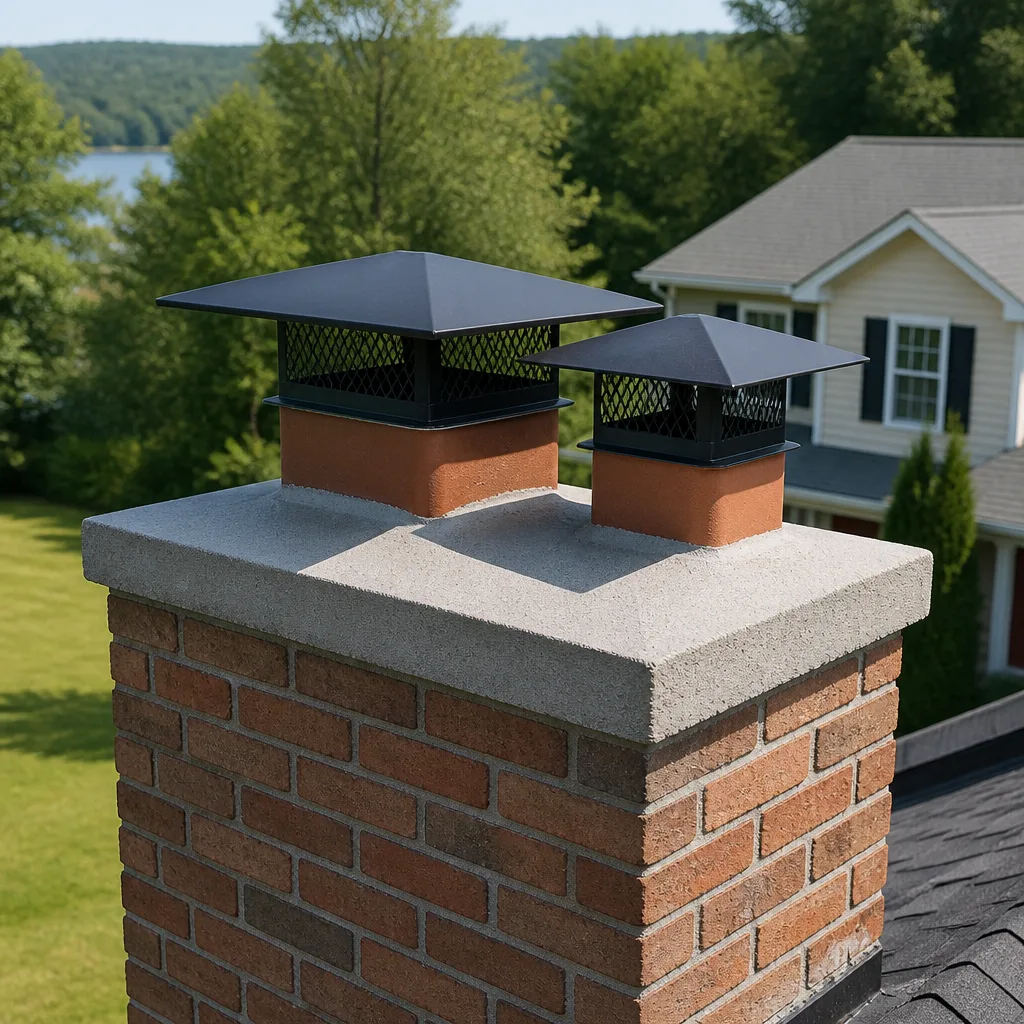
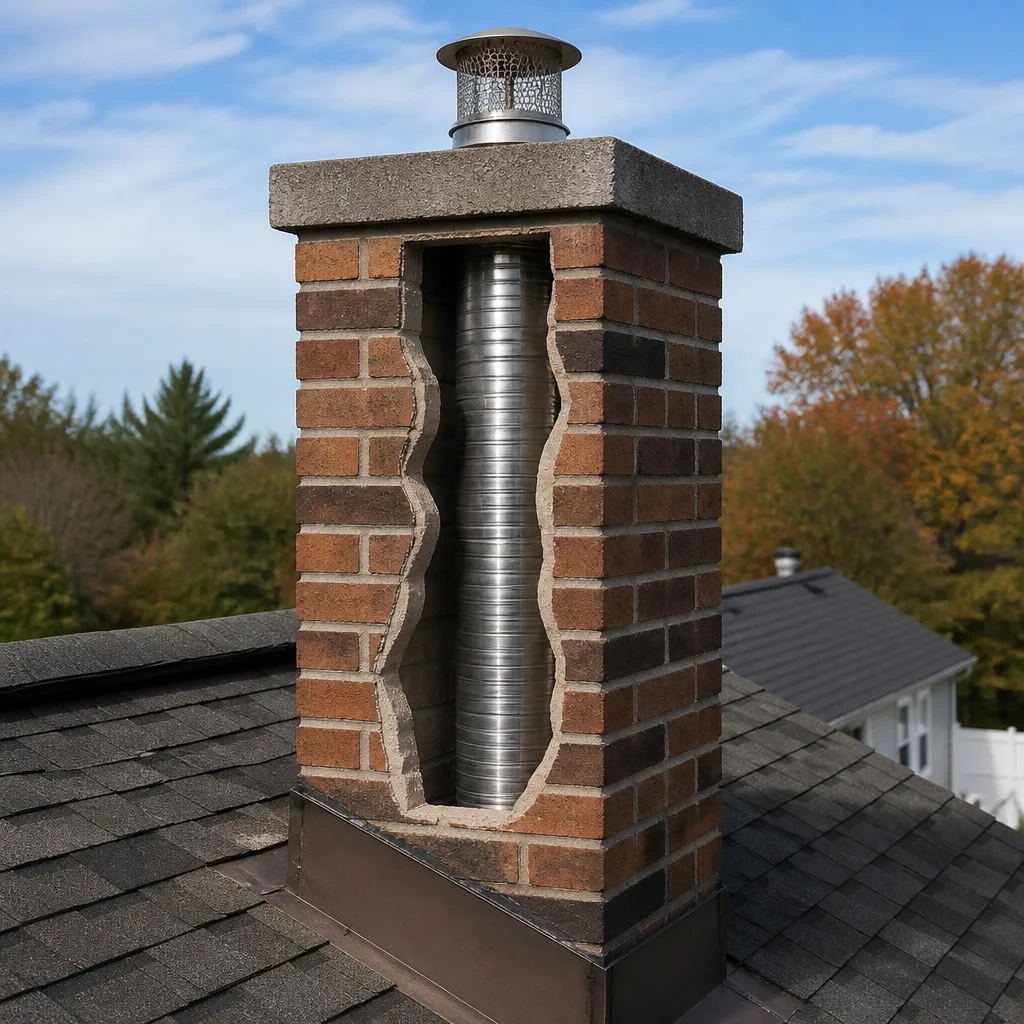
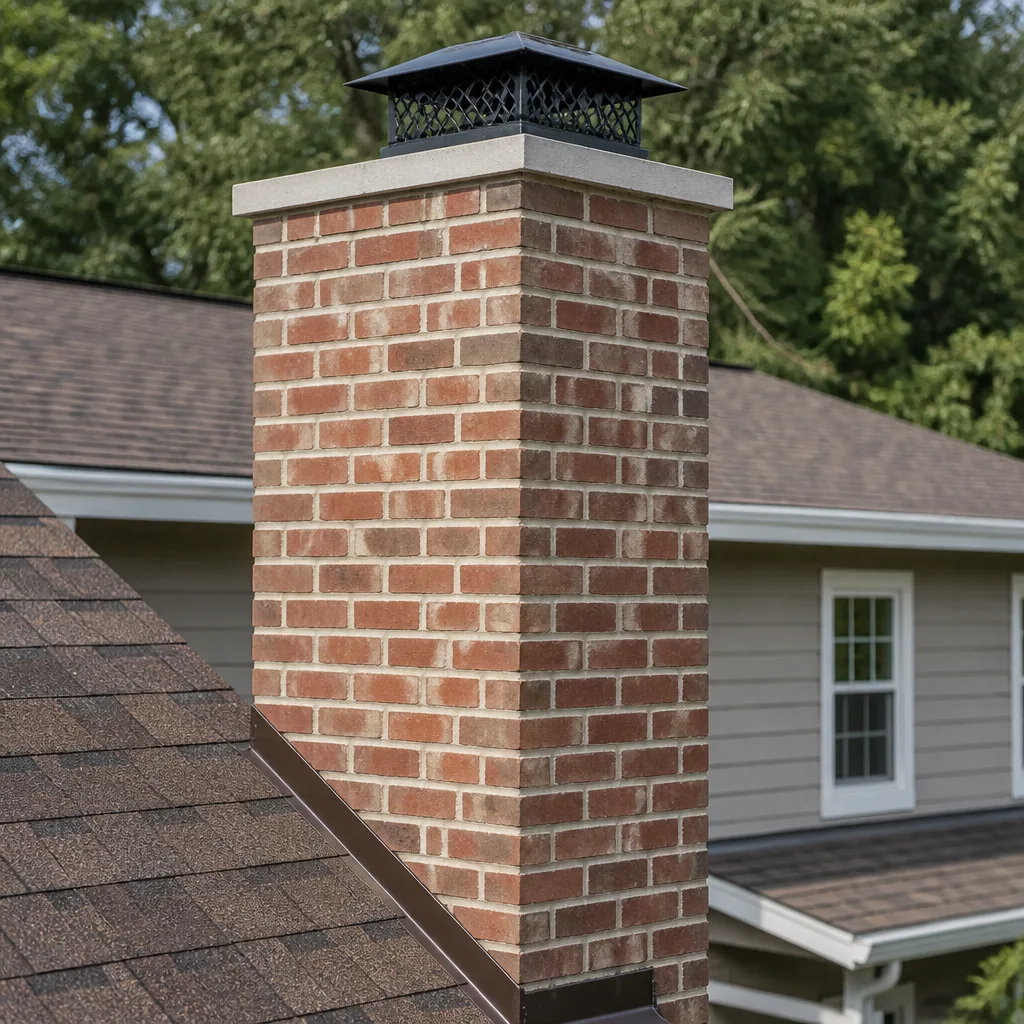
Level 1 sweep and inspection to the NFPA 211 annual standard - flue, crown, cap, and flashing checked and photographed
Chimney sweep logs do not sweep chimneys. They loosen some creosote - which then falls where a brush and vacuum still have to collect it.
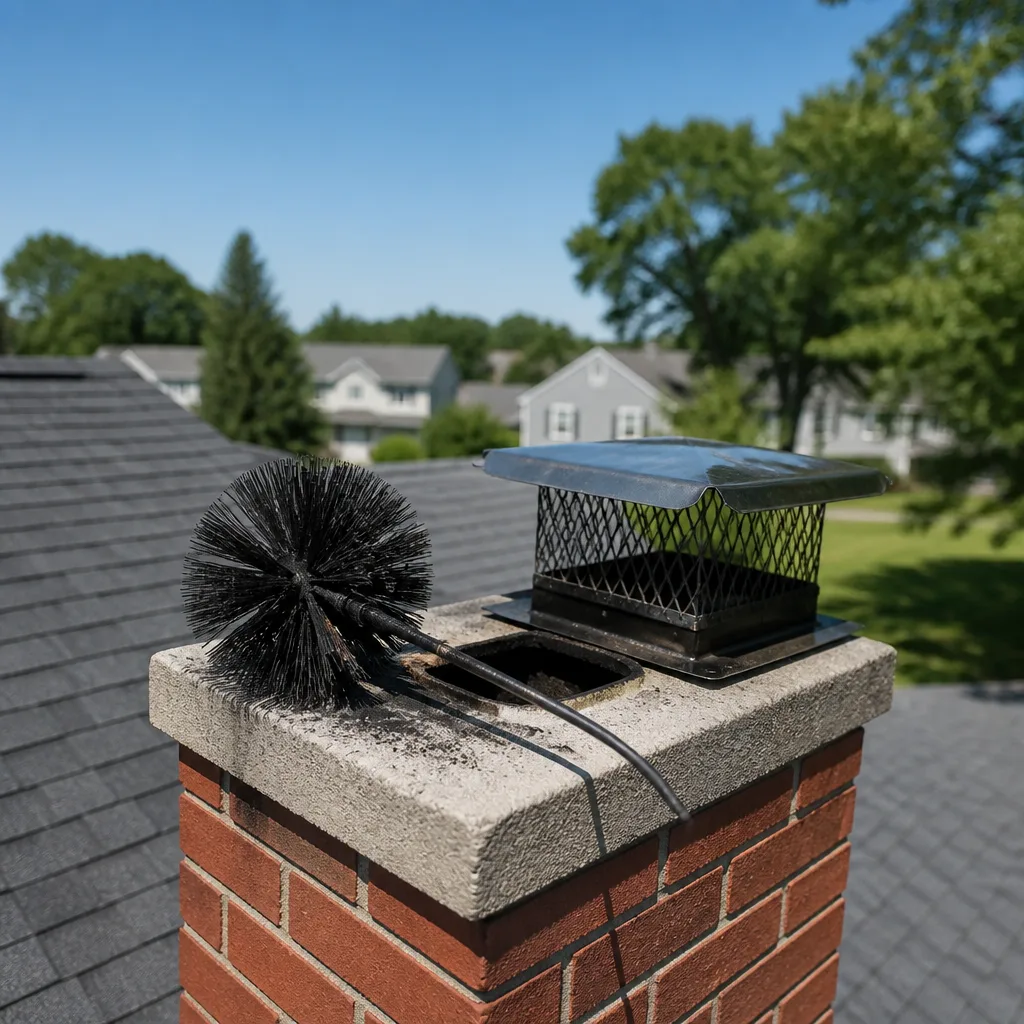
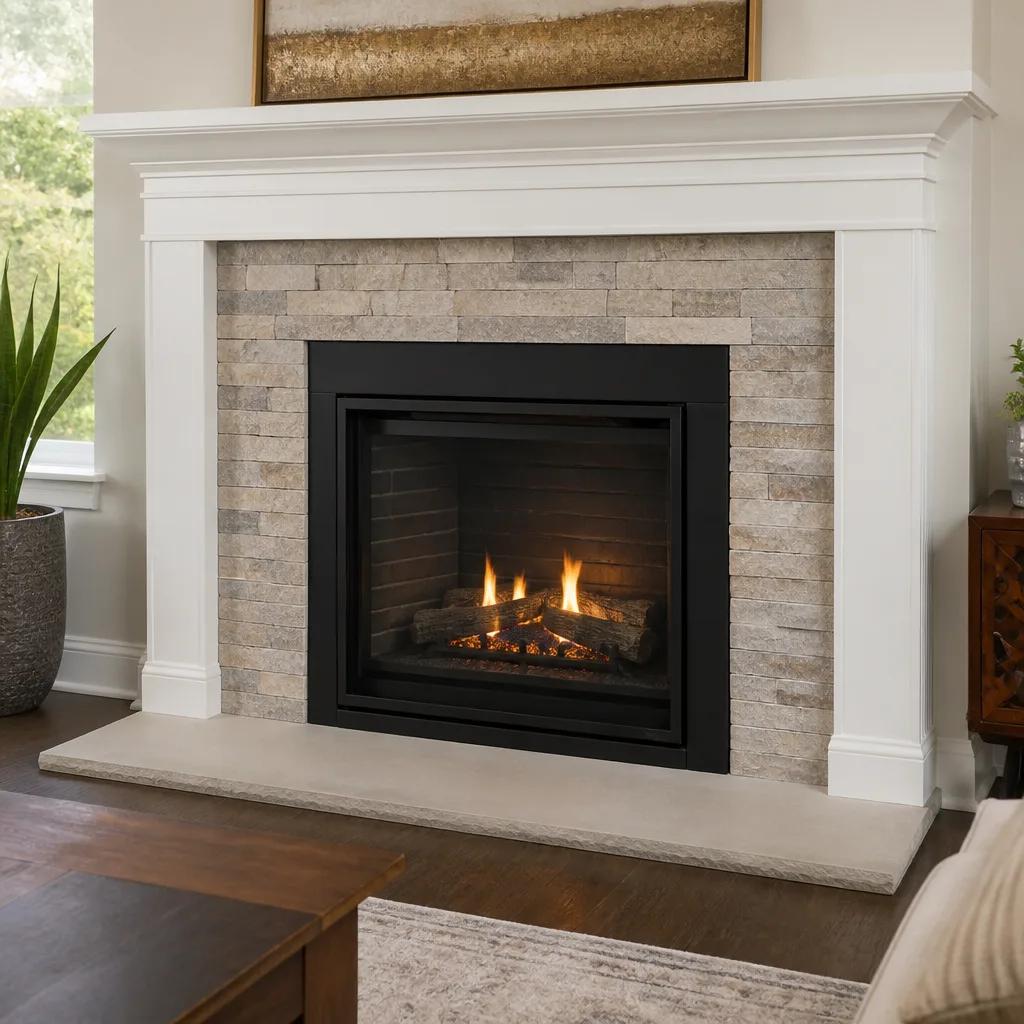
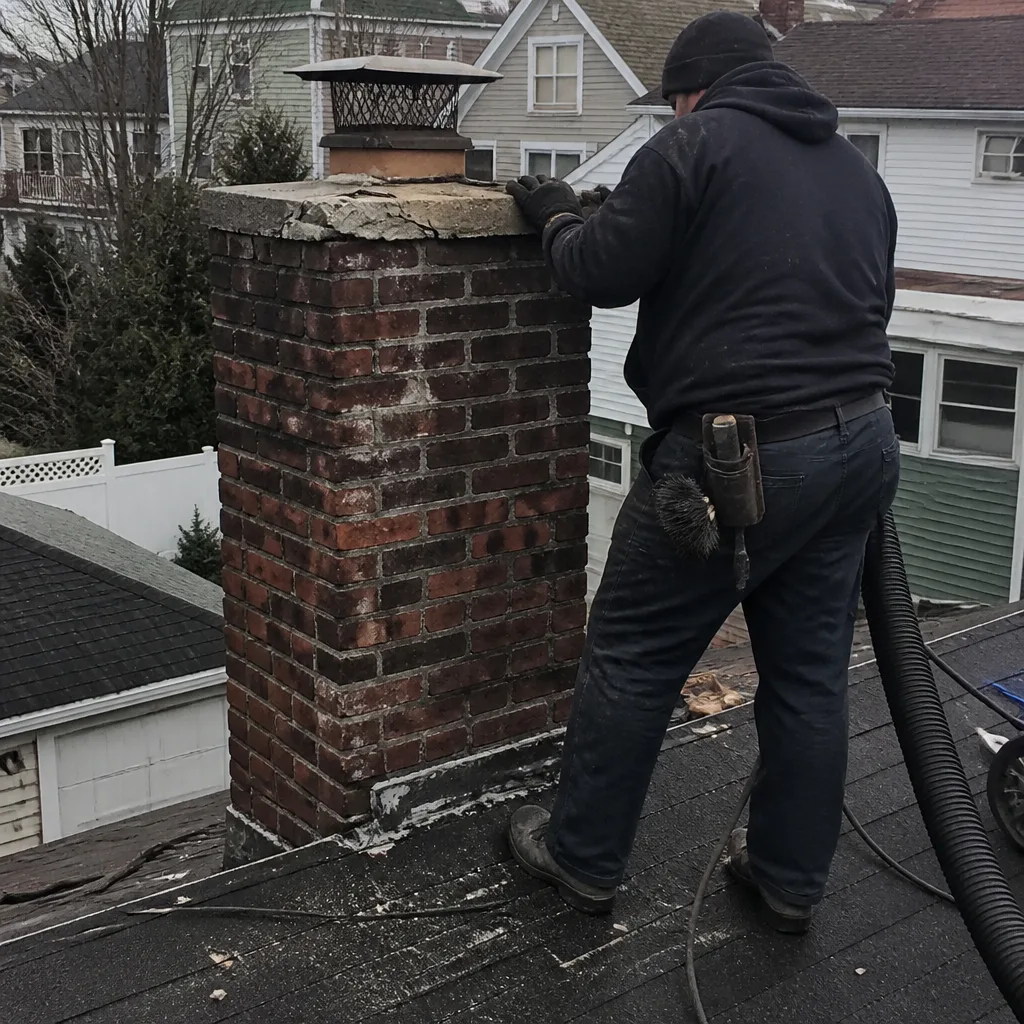 Before
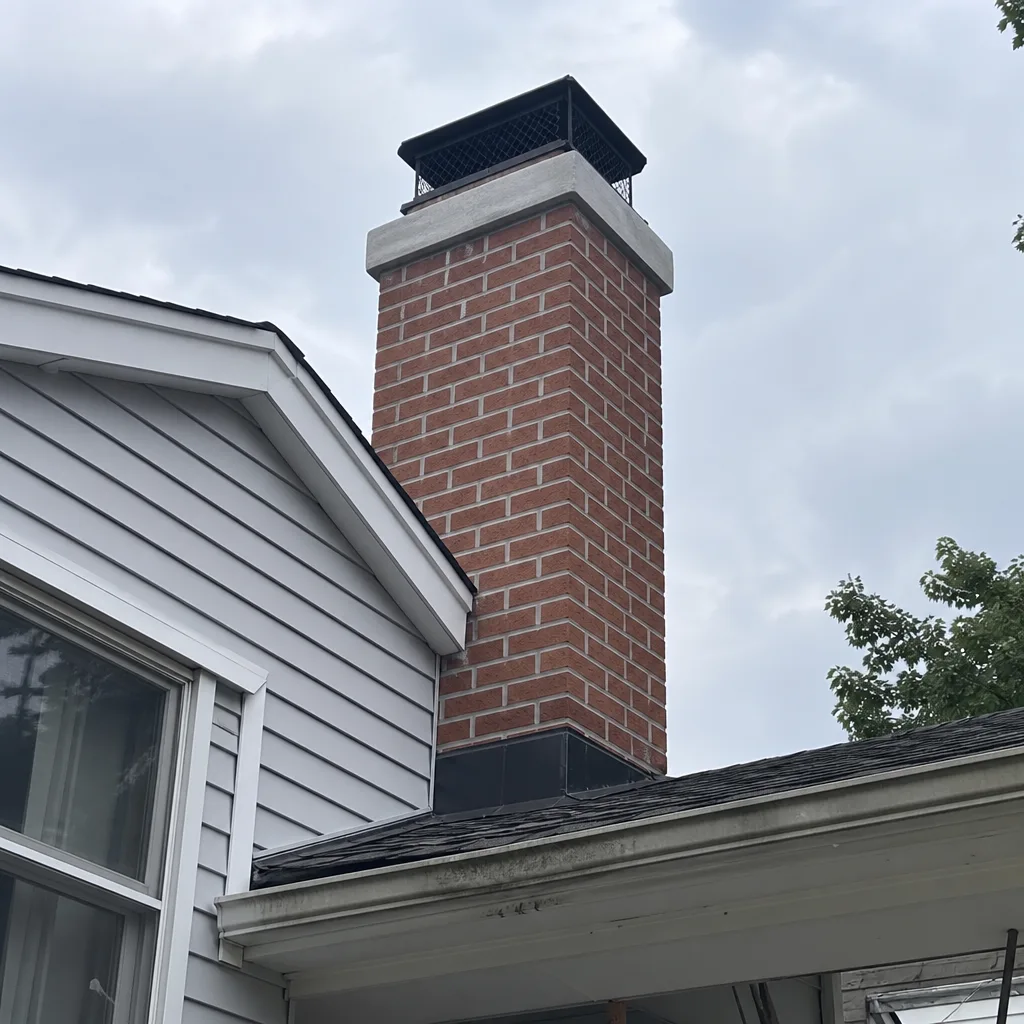 After
After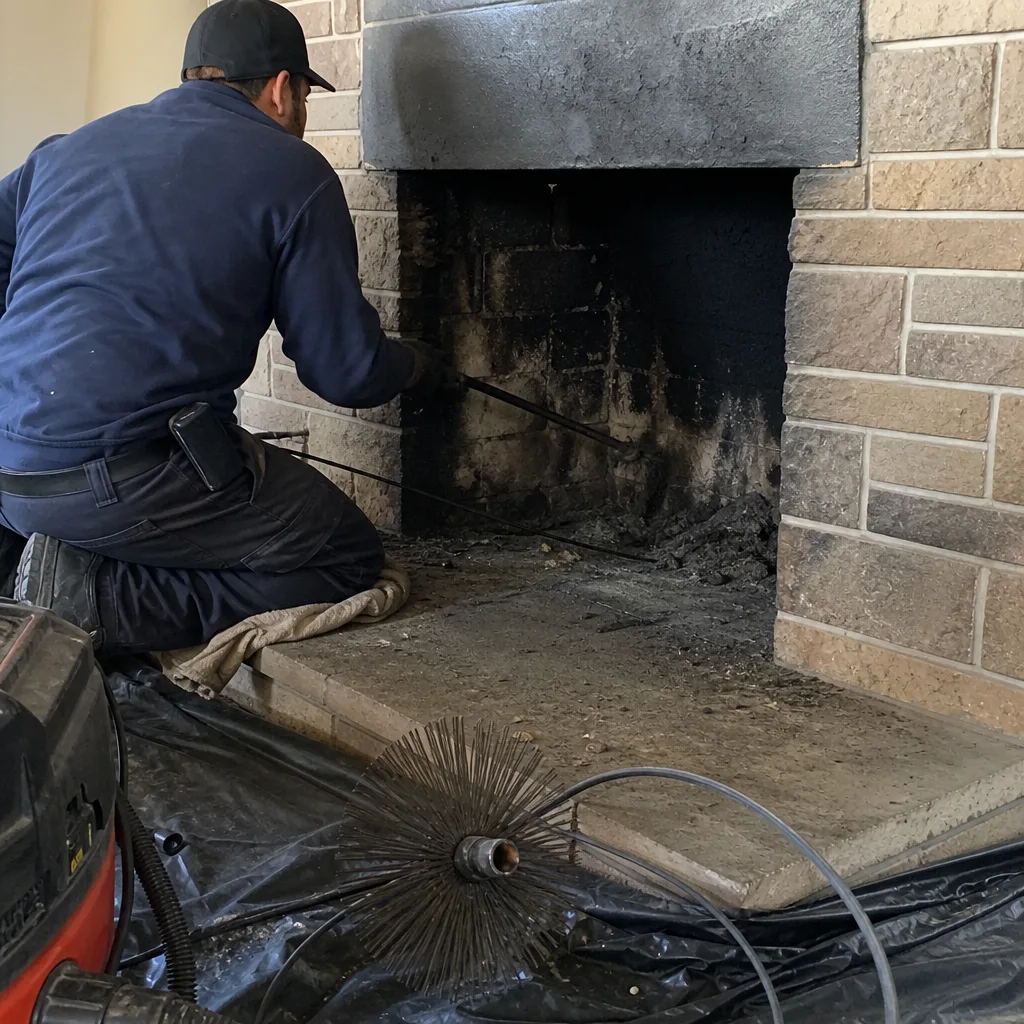 Before
 After
After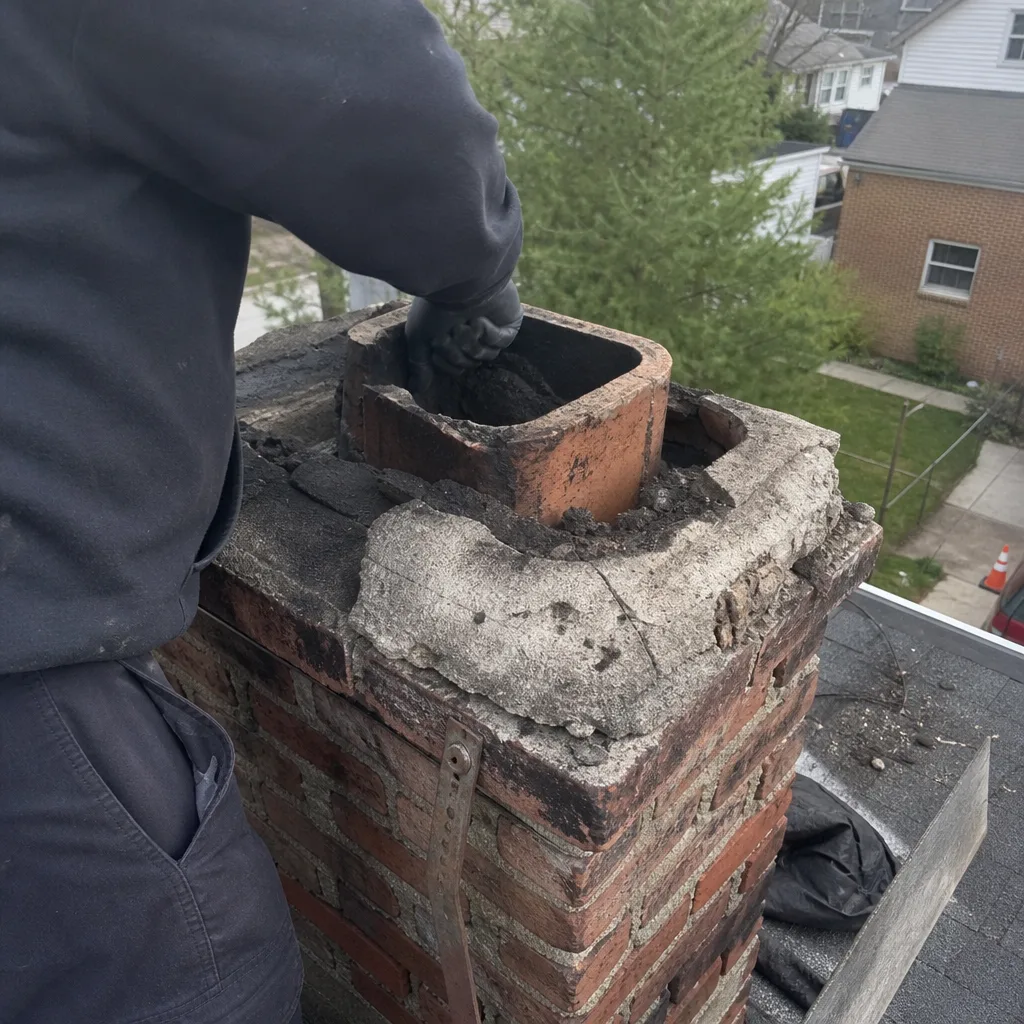 Before
 After
AfterThe Complete Guide to Chimney Cleaning in Elizabeth
Elizabeth has more pre-1960 masonry chimneys per square mile than nearly any city in New Jersey. That means thousands of flues built to standards that predate modern stove inserts, gas conversions, and EPA-rated fireplaces. Cleaning one without knowing that history is how problems get missed. In this guide, we’ll explain why chimney cleaning in Elizabeth is different from newer suburbs, what a proper inspection actually covers, and how to read the paperwork so you know the job was done right. For seasonal chimney cleaning care in Elizabeth: a year-round homeowner’s guide, see our related resource. Whether you live in a brick rowhouse near downtown or a colonial in Westminster, the age of your chimney matters.
Quick Answer
Chimney cleaning in Elizabeth typically costs $150-$350 for a standard sweep with Level 1 inspection, and $250-$450 for a Level 2 camera inspection. Most Elizabeth homes with active fireplaces need annual cleaning due to Union County’s freeze-thaw cycles and the high percentage of older, unlined masonry flues. A legitimate cleaning includes a written report with photos, not a verbal “you’re good.”
Table of Contents
- Why Elizabeth Chimneys Are Different
- What Happens During a Chimney Cleaning
- Level 1 vs. Level 2 vs. Level 3 Inspections
- How Much Does Chimney Cleaning Cost in Elizabeth
- Gas Fireplace Flues: Why “Clean” Still Matters
- Reading Your CSIA Inspection Certificate
- How Often Should Elizabeth Homeowners Clean
- Common Mistakes to Avoid
- When to Call a Professional
- Frequently Asked Questions
Why Elizabeth Chimneys Are Different
Most chimney cleaning guides treat every flue the same. That’s a mistake in Elizabeth.
The housing stock here is old by national standards. Walk through the Port Richmond section, Elmora, or parts of Westminster and you’ll find brick rowhouses built before 1920, pre-war colonials from the 1930s and 40s, and post-war ranches with original masonry chimneys that have never been relined. These chimneys were built for coal or for open-hearth wood burning, not for the inserts, gas logs, and high-efficiency stoves that homeowners install today.
That mismatch creates specific problems.
First, flue sizing. An old coal flue is often too large for a modern gas insert or a wood stove. The result is poor draft, condensation in the flue, and accelerated deterioration of the mortar joints. In Elizabeth’s climate, where summer humidity regularly hits 80% and winter temperatures drop into the teens, that condensation freezes and thaws. We’ve seen flue tiles spall and mortar wash out in as little as fifteen years in homes near the Arthur Kill, where salt air adds another layer of corrosion.
Second, clay soil movement. Union County sits on expansive clay soils that shift with moisture. Elizabeth homeowners in neighborhoods like Keighry Head and Frog Hollow report foundation cracks and chimney separation from the house wall. A cleaning that doesn’t include a visual check for this structural movement is incomplete. The flue can be spotless and still be dangerous if the chimney has pulled away from the building envelope.
Third, the prevalence of unlined chimneys. Before the 1940s, most chimneys in Elizabeth were built without a stainless steel or clay tile liner. The brick itself was the flue. That works until the mortar between courses begins to degrade, which it does faster in coastal New Jersey than in drier inland climates. Creosote then seeps into the brick pores, and the chimney becomes a sponge for moisture and combustion byproducts.
We’ve cleaned chimneys in Elizabeth where the homeowner burned only “a few fires a year” and still found significant creosote buildup. The age of the system matters more than the frequency of use in many cases.
Key point: A chimney cleaning in Elizabeth should always account for the age and construction type of the home. A technician who treats your 1925 rowhouse chimney like a 2005 suburban flue is missing half the picture.
What Happens During a Chimney Cleaning
A proper chimney cleaning is a sequence, not a single action. Here’s what happens when we arrive at an Elizabeth home, and what you should expect from any sweep you hire. If you’re still deciding, read our DIY vs Professional Chimney Cleaning: The Elizabeth Homeowner’s Decision Guide first.
Step 1: Exterior Visual Inspection
Before we touch the fireplace, we walk the roofline or use a pole camera to examine the chimney crown, cap, flashing, and brick condition. In Elizabeth, where many chimneys are original to pre-1960 construction, we’re looking for crown cracks that let water into the flue, deteriorated mortar joints, and signs of chimney lean or separation. We document what we see with photos.
Step 2: Interior Setup and Protection
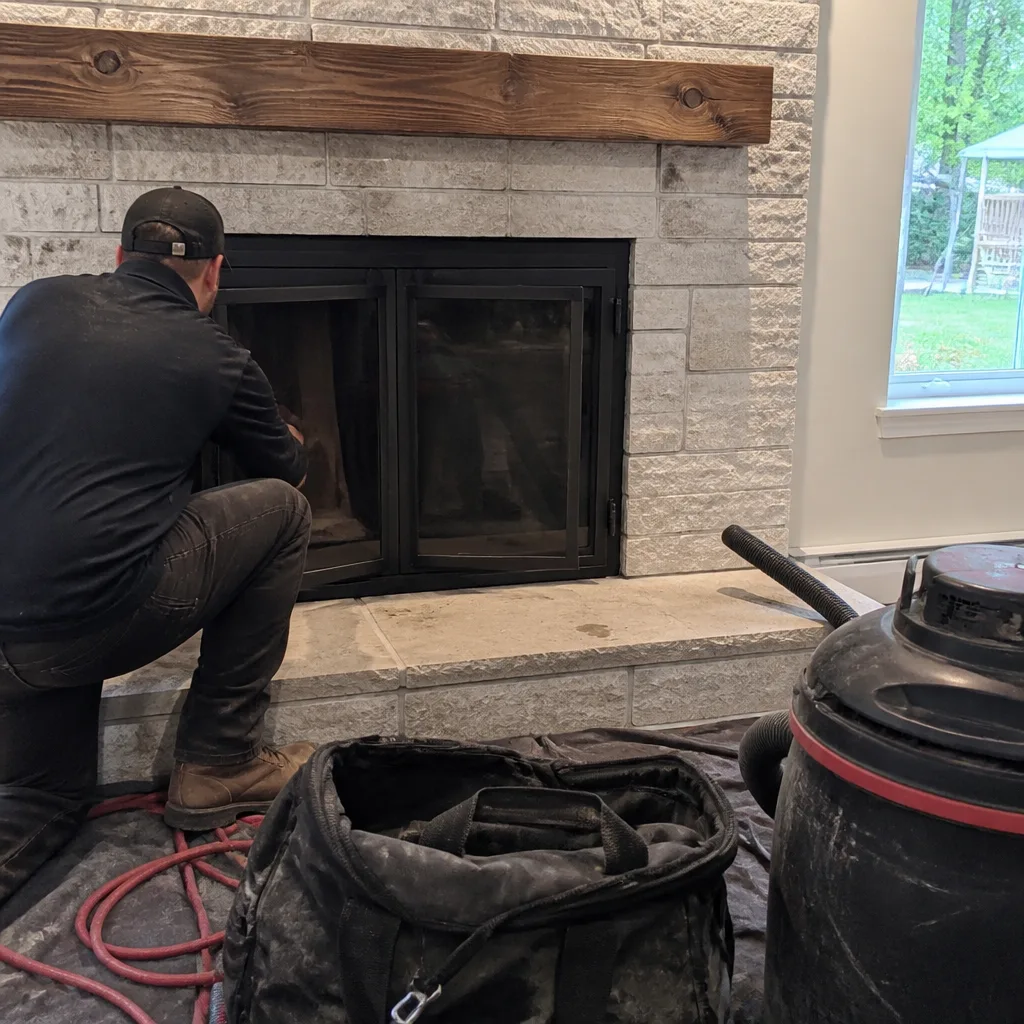
We lay drop cloths, seal the fireplace opening with a vacuum-connected containment system, and inspect the firebox for cracks or missing mortar. The firebox in an older Elizabeth home often shows heat damage that the homeowner hasn’t noticed, because it’s behind the grate or screen.
Step 3: Mechanical Sweeping
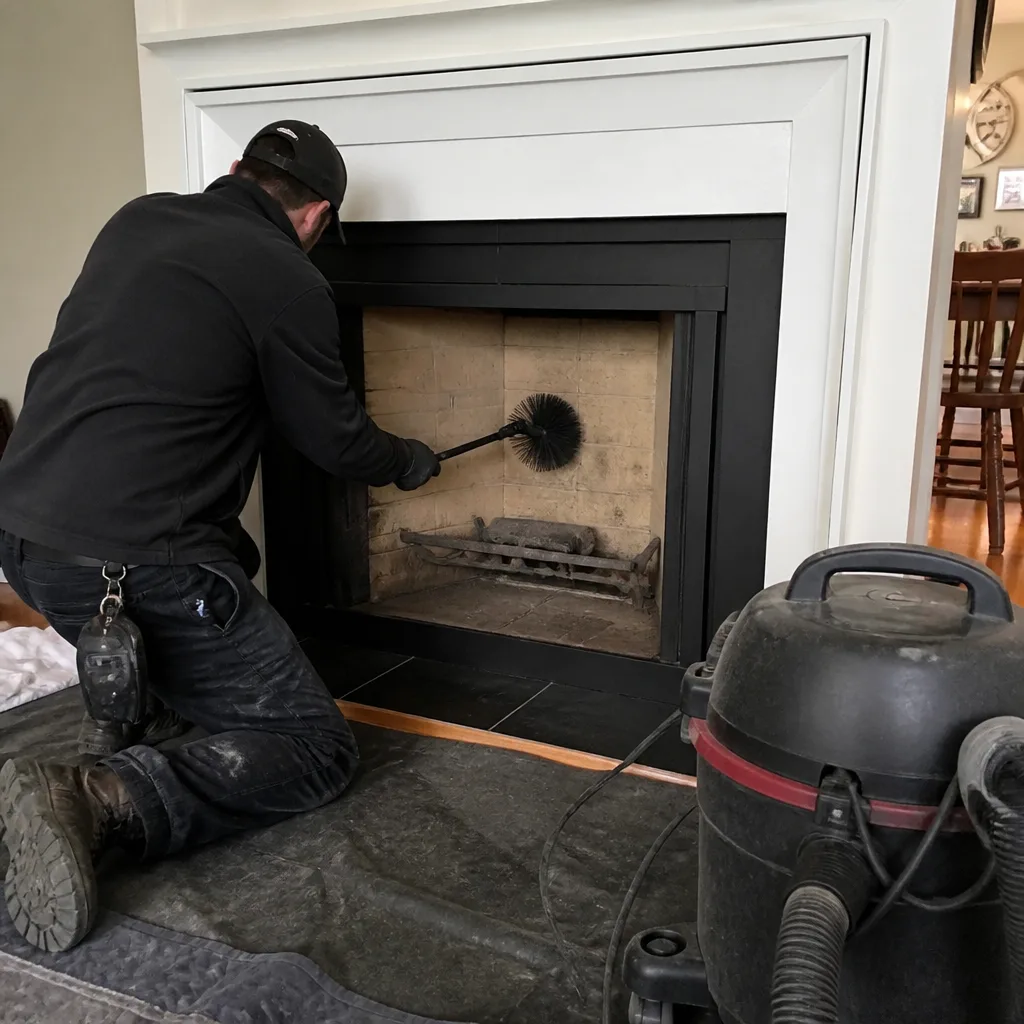
We use rotary or hand-cleaning tools matched to your flue type. For clay tile liners, we use poly or steel brushes sized to the flue diameter. For stainless steel liners from brands like DuraFlex or Olympia Chimney, we use softer methods that won’t score the metal. The debris is collected by a HEPA vacuum.
Step 4: Camera Inspection (Level 2)
For most Elizabeth homes over forty years old, we recommend a Level 2 inspection with a chimney camera. This sends a lighted camera up the flue to record the condition of every course of tile or section of liner. We look for:
- Cracked or missing flue tiles
- Glazed creosote that mechanical brushing won’t remove
- Mortar washout between tiles
- Obstructions: bird nests, collapsed brick, or debris from deteriorated crowns
- Signs of previous chimney fires (puffed or honeycombed creosote)
Step 5: Smoke Chamber and Damper Check
The smoke chamber, the area above the damper that funnels smoke into the flue, is often corbeled brick in older Elizabeth homes. We check for proper parging and clearances. The damper is tested for full opening and tight closing.
Step 6: Documentation and Verdict
We provide a written report with the photos from the inspection, measurements of flue dimensions, and a plain-English verdict on the chimney’s condition. This is not optional. A verbal “you’re good” is not a result you can reference if problems develop later.
The entire process for a standard cleaning and Level 2 inspection takes 60-90 minutes for most Elizabeth homes. Our technicians carry the equipment to complete most jobs in a single visit, with no-hassle upfront pricing agreed before we start.
Level 1 vs. Level 2 vs. Level 3 Inspections
The Chimney Safety Institute of America (CSIA) defines three levels of inspection. Most homeowners don’t know the difference, and some sweeps exploit that confusion. Here’s what each level means for your Elizabeth home.
Level 1 Inspection
A Level 1 is a visual inspection of readily accessible portions of the chimney exterior and interior, without specialized tools. It’s appropriate when:
- Your appliance and flue haven’t changed
- You’re continuing normal use
- No problems are suspected
For a newer home with a stainless liner and no changes, a Level 1 with cleaning may suffice. For most Elizabeth homes built before 1960, we consider Level 1 the minimum and rarely the right choice.
Level 2 Inspection
A Level 2 includes everything in Level 1, plus:
- Camera inspection of the full flue length
- Inspection of attics, crawl spaces, and basements where the chimney passes through
- Evaluation of clearances to combustibles
- Written report with findings and recommendations
Level 2 is required by NFPA 211 when:
- The property is being sold or transferred
- The flue is being relined or repaired
- The appliance fuel type has changed (wood to gas, etc.)
- There’s been a chimney fire, earthquake, or significant weather event
In Elizabeth, where many homes have undergone fuel conversions and where Union County’s freeze-thaw cycles stress masonry year after year, we recommend Level 2 for any chimney that hasn’t had a camera inspection in the past five years. The Chimney Cleaning & Sweep in Elizabeth page details our specific process.
Level 3 Inspection
A Level 3 is invasive. It requires removal of building materials, demolition of chimney walls, or other destructive measures to access concealed areas. It’s only performed when a Level 1 or 2 inspection reveals a hazard that cannot be fully evaluated otherwise.
We’ve performed Level 3 inspections in Elizabeth homes where a Level 2 camera found a collapsed flue liner behind intact brickwork, or where suspected pyrolysis of nearby framing required opening a wall. This is rare, but it’s the standard that protects homeowners from hidden dangers.
The bottom line: If a sweep offers only a Level 1 and discourages camera inspection for an older Elizabeth chimney, that’s a red flag. The camera doesn’t lie, and the photos are your protection against both missed problems and unnecessary upsells.
How Much Does Chimney Cleaning Cost in Elizabeth
Price matters, especially for homeowners on fixed incomes who’ve lived in their Elizabeth homes for decades. Here’s what chimney cleaning costs in the local market, based on our 42 years of pricing jobs in Union County. For help choosing a provider, see How to Hire a Chimney Cleaning Contractor in Elizabeth: A Step-by-Step Guide.
| Service | Typical Range in Elizabeth | What’s Included |
|---|---|---|
| Standard sweep + Level 1 inspection | $150 – $250 | Mechanical cleaning, visual inspection, basic report |
| Sweep + Level 2 camera inspection | $250 – $450 | Full cleaning, camera documentation, written verdict with photos |
| Glazed creosote removal (chemical treatment + sweep) | $350 – $600 | Application of creosote modifier, second visit for mechanical removal |
| Chimney cap installation (standard stainless) | $200 – $400 | Measurement, cap from Famco or Copperfield, installation |
| Fireplace smoke chamber parging | $800 – $1,500 | Heat-resistant refractory application to corbeled brick |
Several factors push Elizabeth prices toward the higher or lower end of these ranges:
- Roof access: Three-story rowhouses on narrow Elizabeth streets require ladder work or interior camera access from below, adding time.
- Flue condition: Heavy glazed creosote, common in homes where wood burning was inconsistent, requires chemical pretreatment and a return visit.
- Obstructions: Bird nests in uncapped flues, collapsed brick from crown leaks, or debris from deteriorated mortar all add labor.
- Seasonal demand: September through November sees peak booking. Our $89 Seasonal Tune-Up, available in early fall, locks in a lower rate before the rush.
We provide no-hassle upfront pricing. The number on the estimate is the number on the invoice. No surprises, no add-ons discovered mid-job. We also offer a permanent 5% Senior and Veteran discount, and $50 off any repair over $250.
Call (908) 923-3159 for an exact quote on your specific chimney. Estimates are free.
Gas Fireplace Flues: Why “Clean” Still Matters
The most dangerous myth we encounter in Elizabeth is that gas fireplaces don’t need chimney maintenance. We hear it constantly, especially from homeowners who converted from wood in the 1980s or 90s and were told gas “burns clean.”
Gas does burn cleaner than wood. It produces minimal creosote. But “cleaner” is not “maintenance-free,” and the flue serving a gas fireplace faces problems that creosote doesn’t cause.
Moisture and condensation. Gas combustion produces water vapor. In an oversized masonry flue, common in converted Elizabeth homes, that vapor condenses on the cool brick before it exits the top. The result is a saturated flue that degrades mortar year-round, not just in burning season. We’ve removed flue tiles that crumbled at the touch from decades of this slow moisture damage.
Debris and obstruction. A flue that isn’t regularly inspected becomes a conduit for leaves, animal nesting, and collapsed interior brick. A gas fireplace with a blocked flue doesn’t smoke to warn you. It vents carbon monoxide into the living space. The risk is silent.
Improper liner sizing. Many Elizabeth conversions were done without proper liner installation, or with a flexible liner that has deteriorated. The flue may be too large for the gas appliance’s BTU output, compounding the condensation problem. Only a camera inspection can verify liner condition and sizing.
Deteriorated connections. Gas log sets and inserts shift over years of use. The connection to the flue collar can loosen, or the unit can be installed without proper clearance to combustibles. A cleaning visit includes inspection of these connections.
We clean and inspect gas fireplace flues throughout Elizabeth, from downtown conversions to newer installations in the Elmora Hills area. The process is shorter than a wood flue cleaning but no less important. Annual inspection is the standard, even for gas.
If you’re unsure whether your converted gas fireplace was properly lined, Fireplace Services in Elizabeth covers inspection and correction of common conversion errors.
Reading Your CSIA Inspection Certificate
After a proper chimney cleaning and inspection, you should receive documentation. Not a receipt. A report. Knowing how to read it protects you from both missed problems and unnecessary sales pressure. Browse more guides & resources on chimney maintenance.
Here’s what a legitimate post-cleaning report includes, and what each section means for your Elizabeth home.
1. Chimney Identification and Measurements
The report should state the chimney location, number of flues, flue dimensions, and liner type (if any). For an Elizabeth rowhouse with multiple fireplaces stacked on different floors, each flue must be identified separately. Vague language like “the chimney” is insufficient.
2. Condition Photos
Every significant finding should have a corresponding photo with a timestamp. In our reports, homeowners see exactly what we saw: the cracked tile at course 12, the mortar washout at the smoke chamber, the rusted damper assembly. Photos you can see, a plain-English verdict. No photo, no proof.
3. Clearance Measurements
NFPA 211 specifies minimum clearances from the flue to combustible framing. In older Elizabeth homes, where balloon framing and lath-and-plaster construction are common, these clearances were often inadequate even when built. The report should note any clearance violations and whether they’re grandfathered or require correction.
4. Verdict Classification
Findings should be classified by urgency:
- Immediate hazard: Use of the system should stop until repaired. Examples: collapsed flue liner, active water leak into the firebox, significant creosote glaze.
- Repair recommended: Correct within the burning season. Examples: cracked crown, deteriorated mortar joints, damaged damper.
- Monitor: No immediate action, but re-evaluate at next inspection. Examples: minor spalling, slight mortar erosion.
- Satisfactory: No concerns noted.
5. CSIA Certificate Number
The sweep’s CSIA certification number should appear on the report. You can verify this at csia.org. Certification matters because it means the sweep has passed examination on codes, standards, and safety practices, and carries liability insurance.
A verbal “you’re good” with no paperwork leaves you with no recourse if a problem develops. It also leaves you vulnerable to a sweep who finds “urgent” problems on the next visit that somehow weren’t mentioned before. Documentation is your protection.
Our Level 2 inspections end with a written report, photos, and the 90-Day Done Right Promise: if it’s not right, we make it right, in writing, no arguing.
How Often Should Elizabeth Homeowners Clean
The standard answer is “once a year.” For many Elizabeth homes, that’s the minimum, not the optimum.
The National Fire Protection Association recommends annual inspection. Cleaning frequency depends on use and fuel type. Here’s how we apply that standard to Elizabeth’s specific conditions.
| Scenario | Recommended Frequency | Elizabeth-Specific Note |
|---|---|---|
| Wood-burning fireplace, regular use (3+ times/week) | Sweep annually; inspect mid-season if burning green or softwood | Union County’s oak and maple produce less creosote than pine, but many homeowners burn whatever is available |
| Wood-burning, occasional use (1-2 times/month) | Sweep every 1-2 years; annual inspection | Infrequent use can produce more glazed creosote than regular use due to cooler flue temperatures |
| Gas fireplace, original masonry flue | Inspect annually; sweep as needed for debris | Critical for pre-1960 chimneys never designed for gas condensation |
| Gas fireplace with direct vent (no chimney) | Inspect burner and vent annually per manufacturer | Still requires professional service; the chimney is replaced, not the maintenance need |
| Pellet stove | Sweep venting annually; clean appliance per manual | Ash accumulation in pellet vents is different from creosote but equally obstructive |
| Chimney relined or repaired | Inspect annually; sweep based on use | New liners from DuraFlex or Olympia Chimney still require inspection for cap and crown integrity |
Elizabeth’s coastal humidity accelerates deterioration even in unused chimneys. We’ve inspected chimneys where the homeowner hadn’t burned a fire in three years and found significant mortar damage from moisture cycling alone. Annual inspection catches this before it becomes structural.
For homes in flood-prone areas near the Elizabeth River or Arthur Kill, we also recommend post-flood inspection. Water intrusion into a masonry chimney, even below the flue, wicks upward through the brick and compromises the entire system.
Common Mistakes to Avoid
- Hiring based on the lowest price alone. In Elizabeth, we’ve corrected work from sweeps who never accessed the roof, never ran a camera, and left the homeowner with a “clean” chimney that had a collapsed liner. The $99 special often costs more in the long run.
- Accepting a verbal report. Without photos and a written verdict, you have no documentation for insurance, real estate transfer, or dispute resolution. A legitimate sweep provides paperwork without being asked.
- Ignoring the gas fireplace. The “gas burns clean” myth has left many Elizabeth homeowners with deteriorated, unlined flues venting into unsafe conditions. Annual inspection applies to gas.
- Waiting for visible smoke or odor. By the time you smell smoke in the room or see staining on the wall, the problem is advanced. Preventive inspection finds issues before they announce themselves.
- DIY cleaning without proper equipment. Homeowner brushes and shop vacuums don’t reach the full flue length, don’t include camera inspection, and can damage clay tiles if improperly sized. More critically, they give a false sense of security.
- Neglecting the crown and cap. A clean flue with a cracked crown is a chimney that will need rebuilding. The exterior inspection is as important as the interior sweep, especially in Elizabeth’s freeze-thaw climate.
- Assuming a new liner solves everything. Stainless steel liners from quality brands like DuraFlex or Olympia Chimney are excellent, but they still require annual inspection of the connection, cap, and surrounding masonry. A liner is not a maintenance exemption.
When to Call a Professional
Some situations require immediate professional evaluation. Call a certified sweep if you notice any of the following:
- Smoke entering the room during fireplace use
- White or brown staining on interior walls near the chimney
- Crumbled brick or mortar in the firebox
- A strong, acrid odor from the fireplace in warm weather
- Visible cracks in the chimney crown or exterior brick
- The chimney has pulled away from the house wall, even slightly
- It’s been more than two years since any professional inspection
- You’re buying or selling a home in Elizabeth and need documentation for closing
These are not situations for waiting or for DIY assessment. A trained technician with a camera can determine whether the issue requires immediate repair or can be monitored.
Hearthstone Chimney Co. offers free estimates in Elizabeth. Call (908) 923-3159. A live person answers every call, 24 hours a day, 7 days a week. We’ll schedule a time that works for you, provide upfront pricing, and leave you with photos, a written report, and the 90-Day Done Right Promise. Done right, and we stand behind it.
Frequently Asked Questions
A standard chimney sweep with Level 1 inspection in Elizabeth typically runs $150 to $250, while a sweep with Level 2 camera inspection ranges from $250 to $450. Factors that affect your specific price include roof access difficulty, flue condition, and whether glazed creosote requires chemical pretreatment. Call (908) 923-3159 for a free estimate with no-hassle upfront pricing.
You need a new liner if your existing liner is cracked, missing, or improperly sized for your appliance. In Elizabeth’s pre-1960 housing stock, many chimneys were built without liners or have clay tile liners that have deteriorated from decades of Union County freeze-thaw cycles. We never recommend liner replacement without camera evidence you can see yourself. If a sweep tells you a liner is needed but won’t show you the damage, get a second opinion. Our Free Second Opinion on any written estimate is standing.
Annual inspection is the standard for all chimneys, with cleaning frequency based on use and fuel type. Wood-burning fireplaces used regularly need annual sweeping. Gas fireplaces need annual inspection, with cleaning as needed for debris or condensation damage. Given Elizabeth’s older housing stock and coastal humidity, we recommend erring toward annual service rather than stretching intervals.
Skipped maintenance leads to creosote accumulation, which is combustible and causes chimney fires. It also allows moisture damage, mortar deterioration, and liner failure to progress unnoticed. In Elizabeth’s older masonry chimneys, the risk is structural as well as fire-related: a degraded flue can allow carbon monoxide infiltration or chimney collapse. The cost of prevention is always lower than the cost of repair or the consequences of a fire.
We don’t recommend DIY chimney cleaning for Elizabeth’s older masonry chimneys. Proper cleaning requires full flue access, camera inspection capability, and knowledge of NFPA 211 clearances that most homeowners don’t have. More importantly, DIY cleaning without inspection can miss cracked liners, mortar washout, or clearance violations that create hidden hazards. This is skilled work, and the stakes are high.
A Level 2 inspection includes all elements of Level 1 (visual inspection of accessible areas), plus a camera examination of the full flue interior, inspection of attics and basements where the chimney passes through, evaluation of clearances to combustibles, and a written report with photos and findings. It’s the appropriate standard for most Elizabeth homes with chimneys over forty years old, and it’s required for real estate transactions and fuel conversions.
The Bottom Line
Chimney cleaning in Elizabeth is not a commodity service. The age of the housing stock, the coastal climate, and the prevalence of unlined or improperly converted flues mean that a generic sweep can miss serious problems or recommend unnecessary work. The difference is in the inspection: a camera, photos you can see, a written verdict, and a technician who understands what your specific chimney was built for. Get the inspection right, and the cleaning takes care of itself. Get it wrong, and you’re guessing about the safety of your home.
We’ve served Union County for over 42 years. We’re not going anywhere. That longevity means we plan to be here when you need us next, and we act accordingly. The 90-Day Done Right Promise, our K.E.Y.S. values code, and the live person who answers your call at any hour are not marketing. They’re how we do business.
Call (908) 923-3159 for a free estimate on chimney cleaning in Elizabeth. We’ll be there when we say, show you what we find, and stand behind the work. A square deal: no surprises on the bill.
Written by Russell Haines, Owner at Hearthstone Chimney Co., serving Elizabeth since 2014.