
Last updated September 10, 2026
Level 1 sweep and inspection to the NFPA 211 annual standard - flue, crown, cap, and flashing checked and photographed
Chimney sweep logs do not sweep chimneys. They loosen some creosote - which then falls where a brush and vacuum still have to collect it.
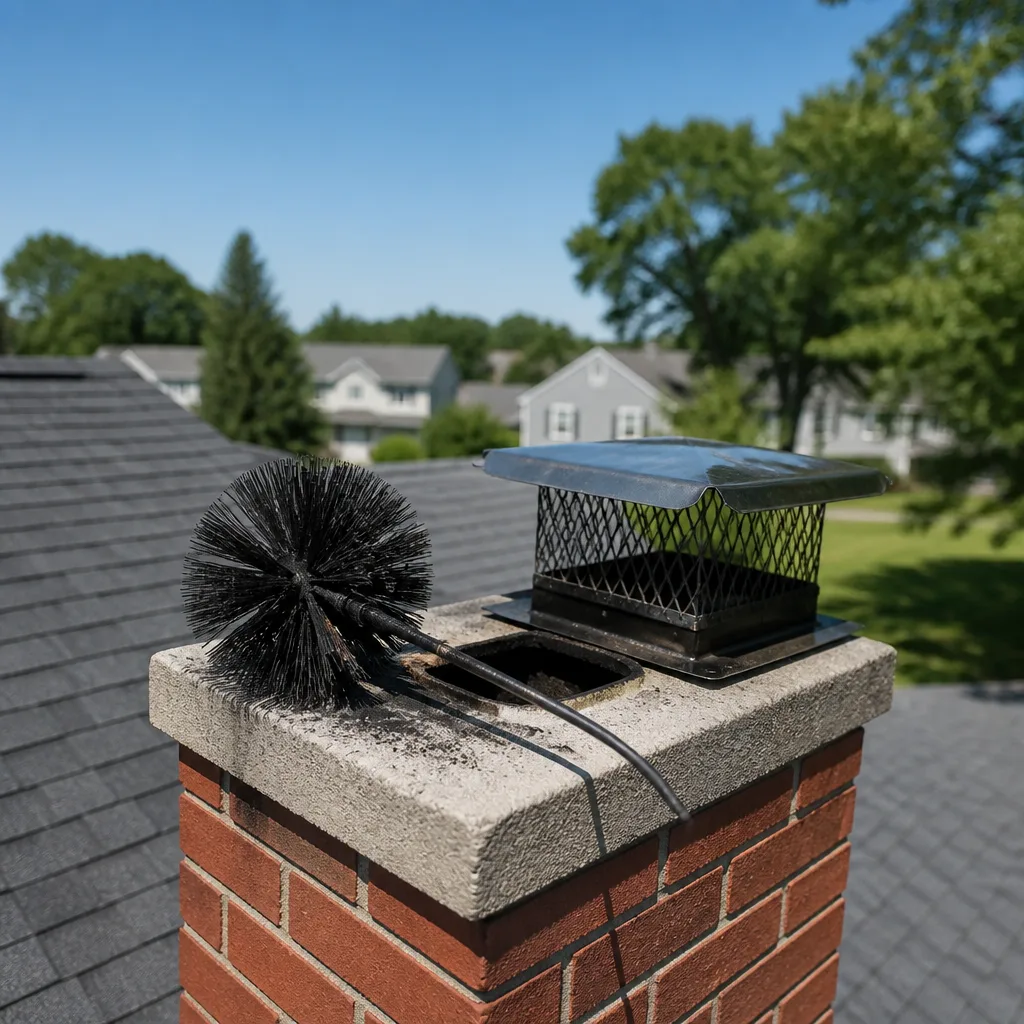
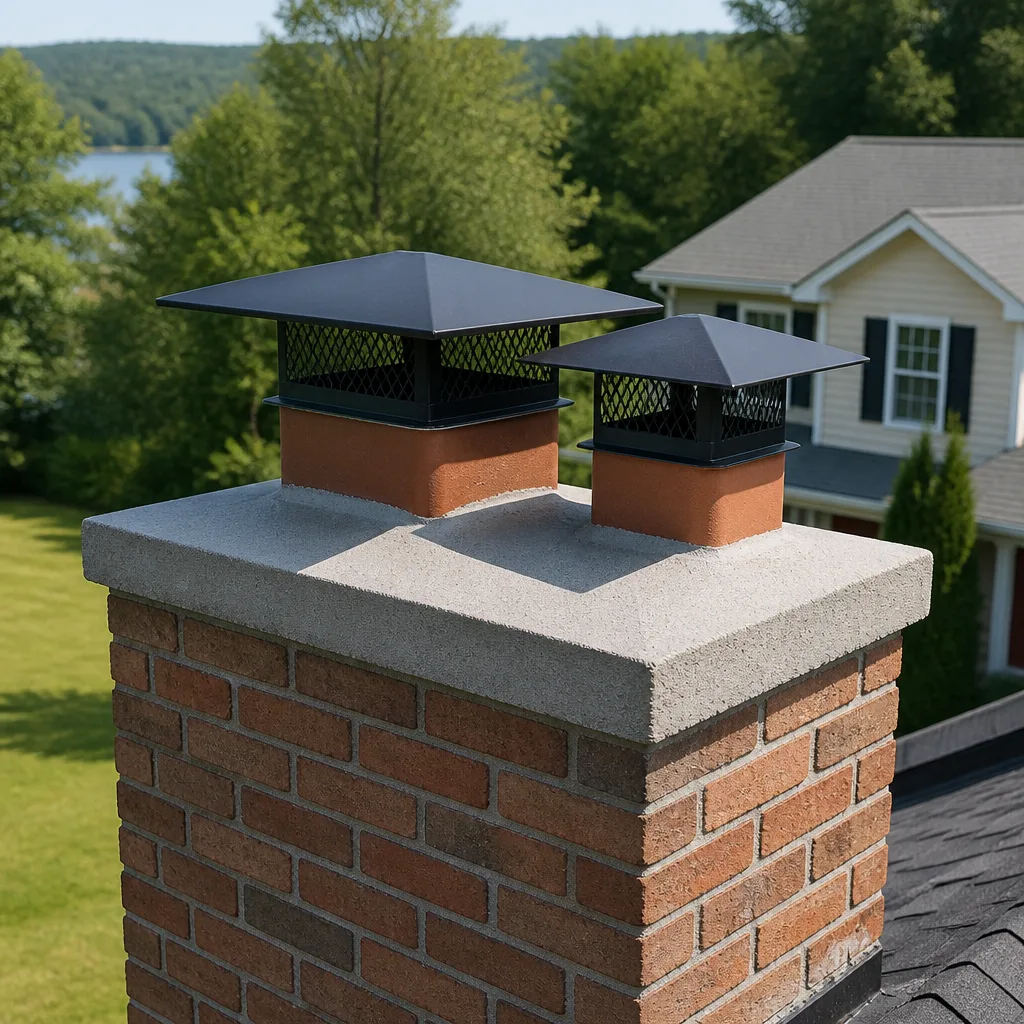
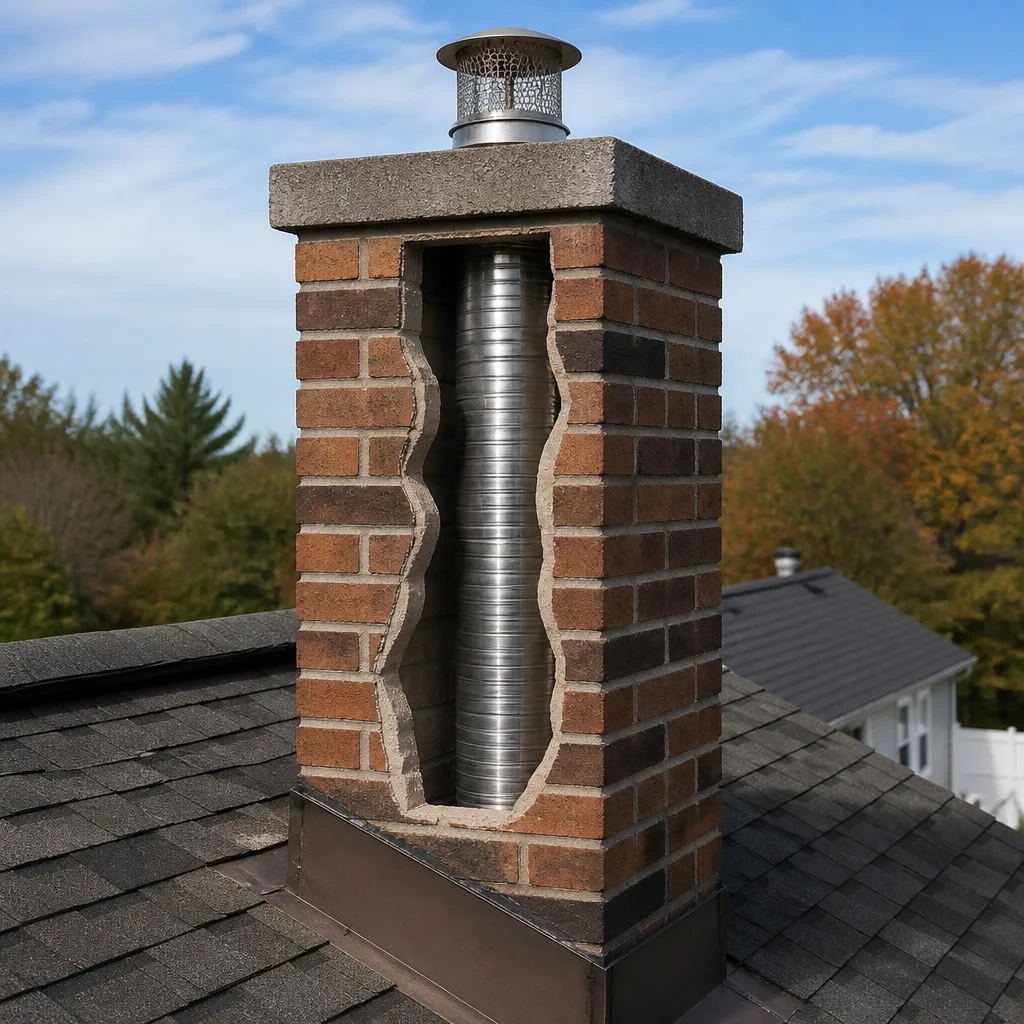
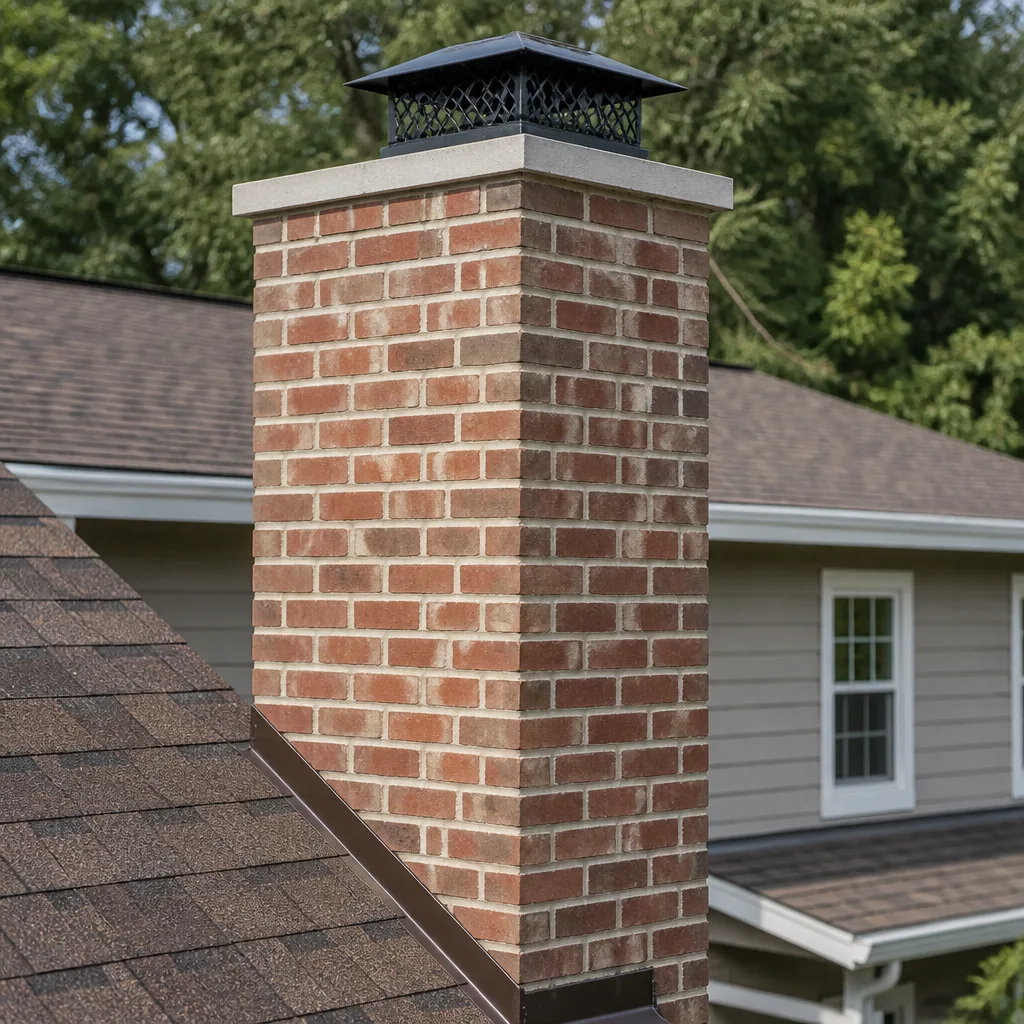
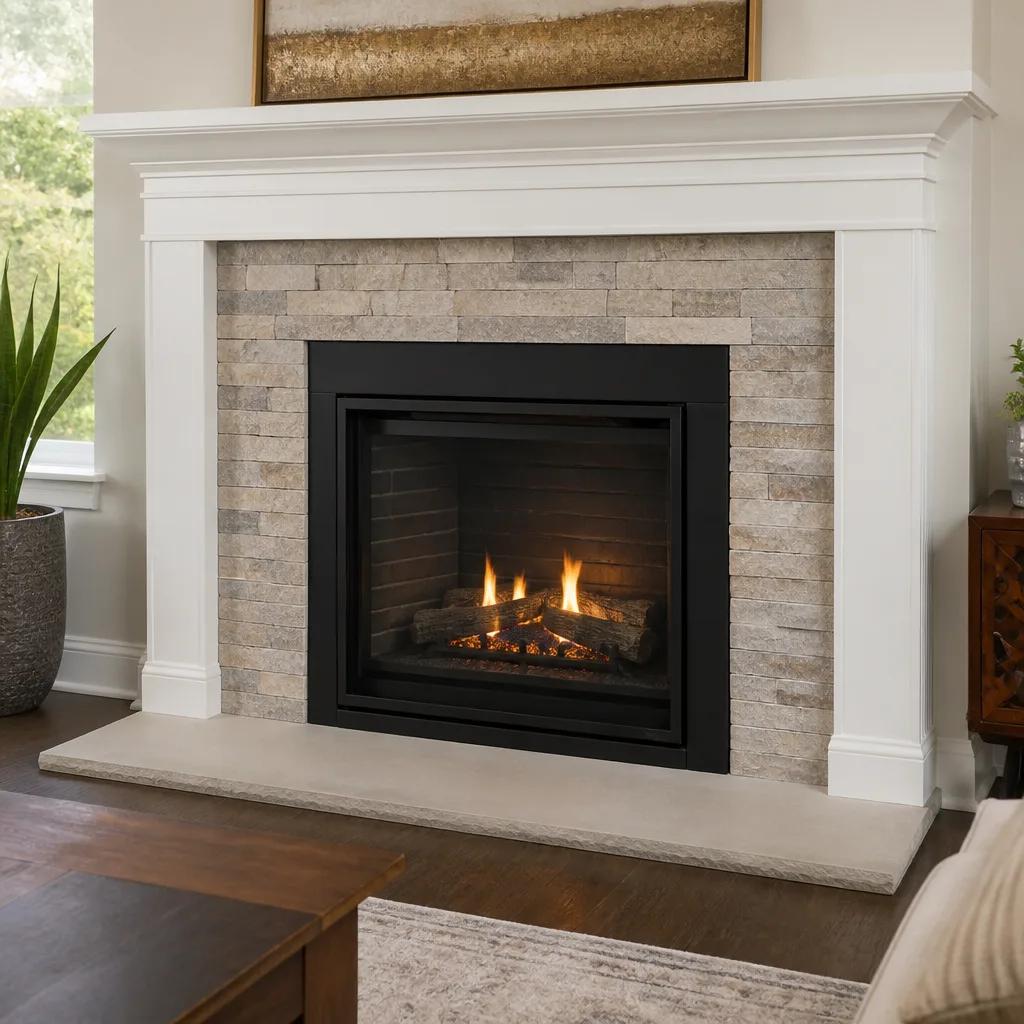
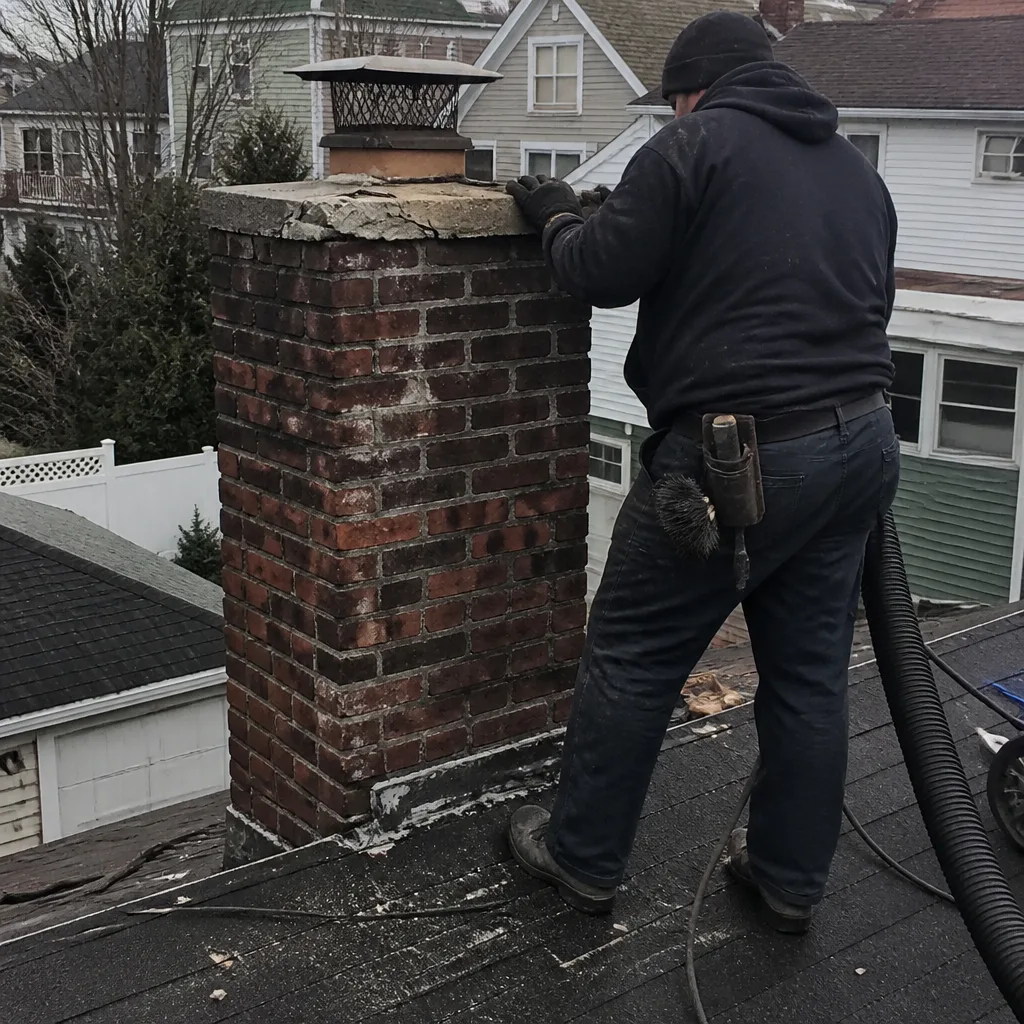 Before
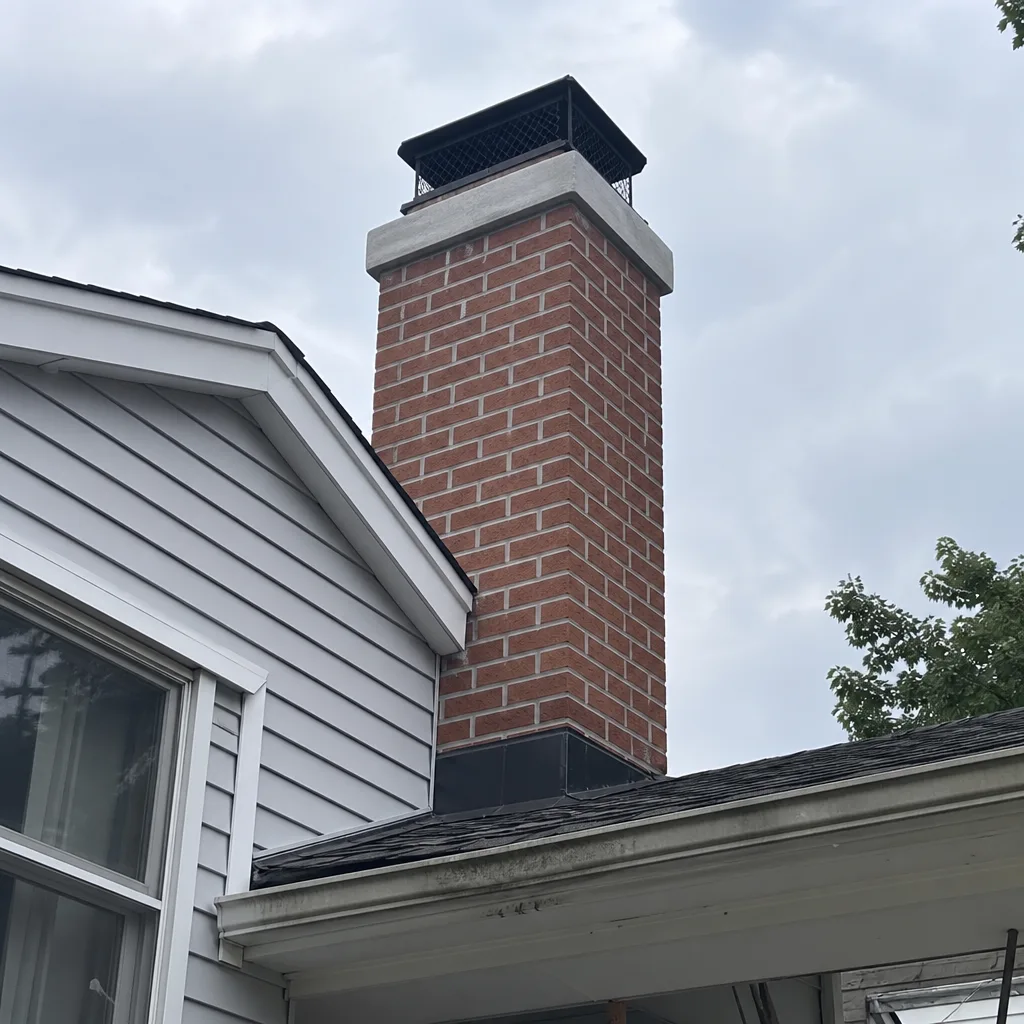 After
After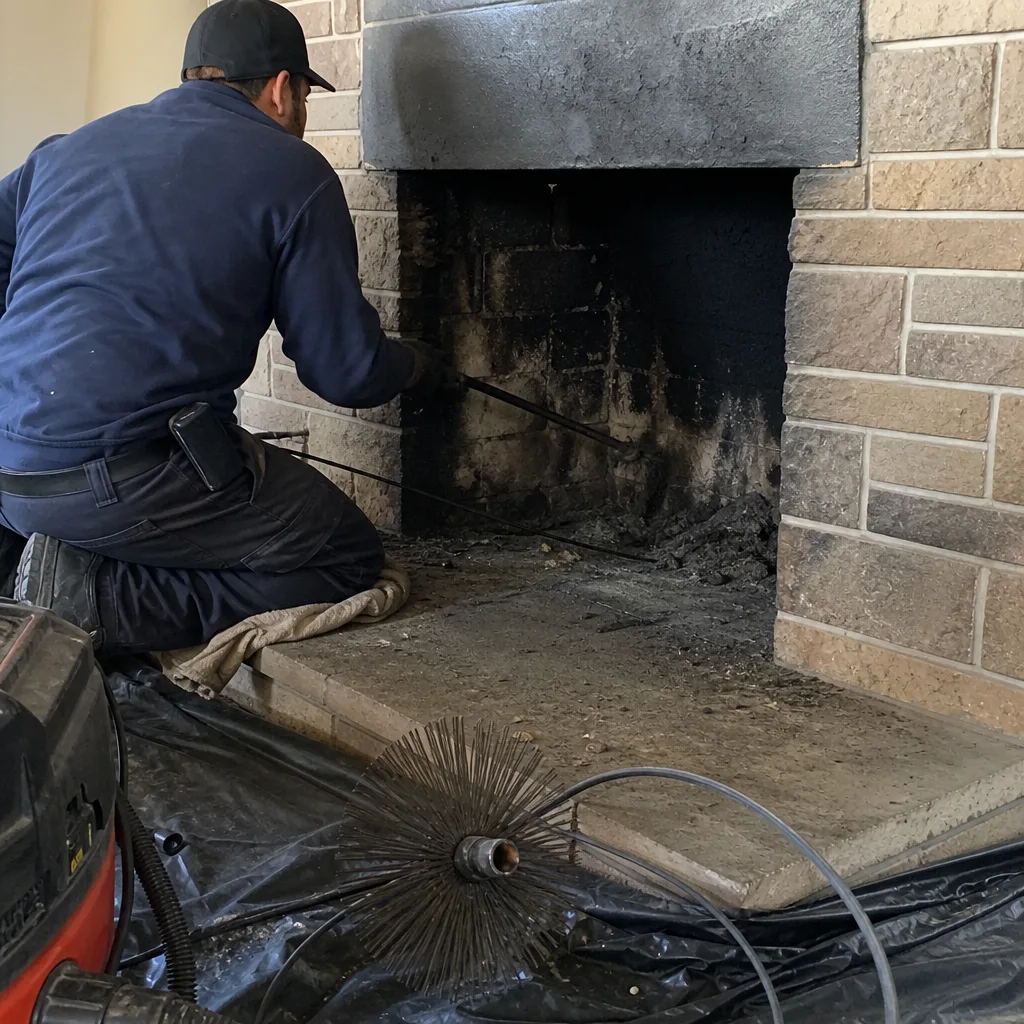 Before
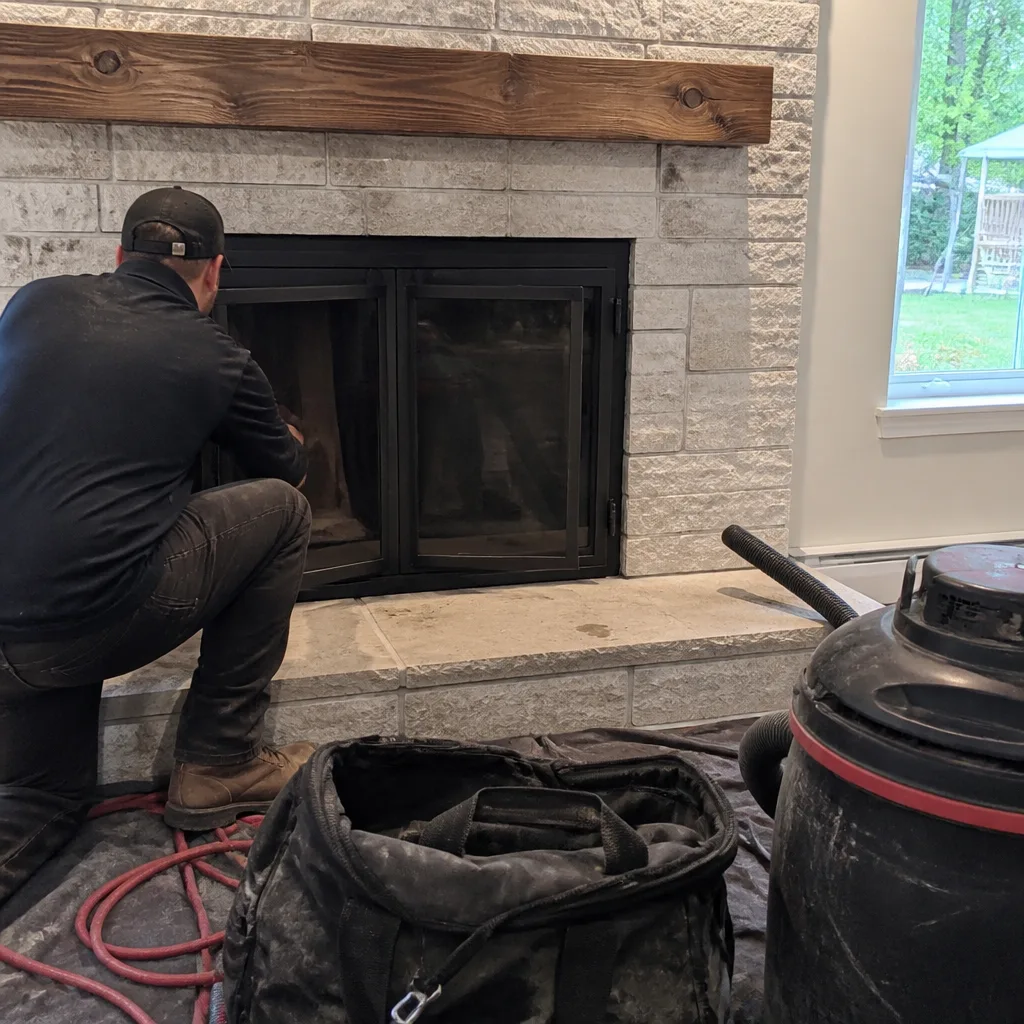 After
After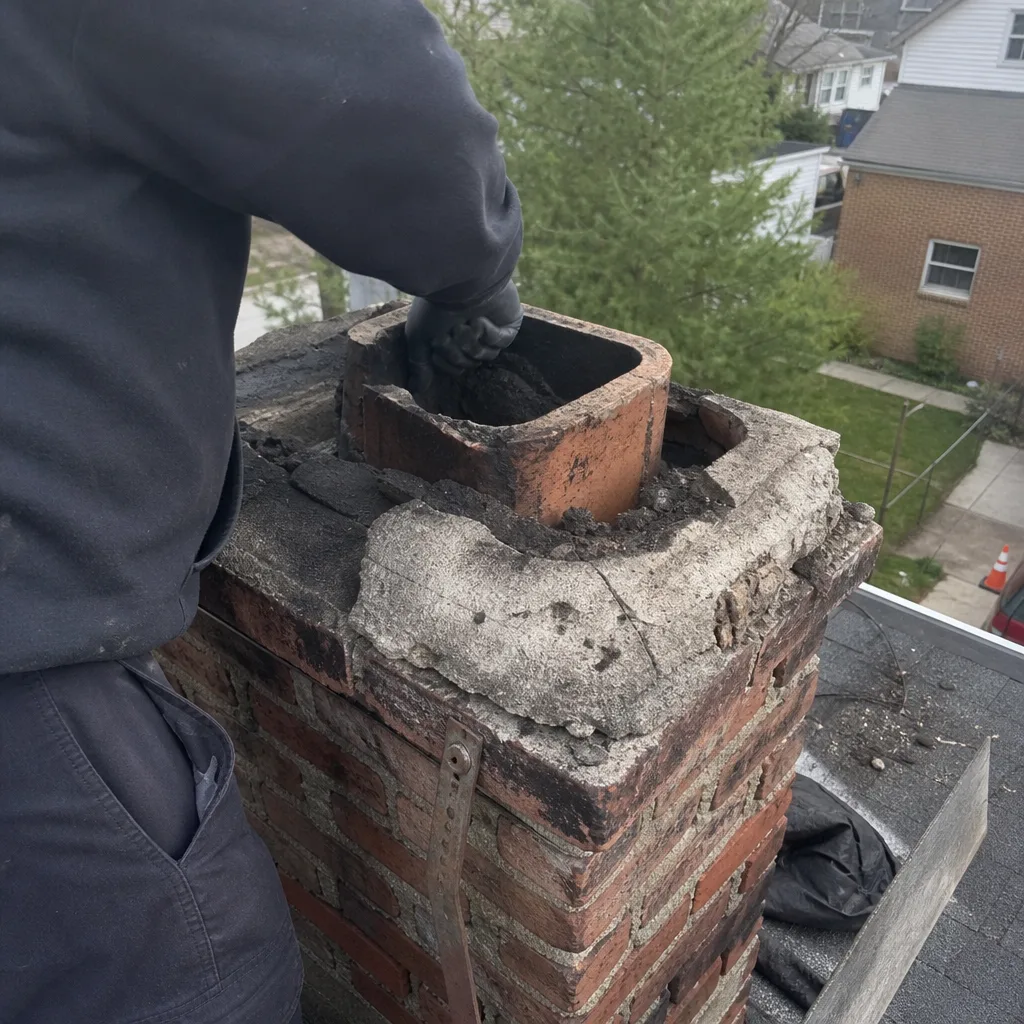 Before
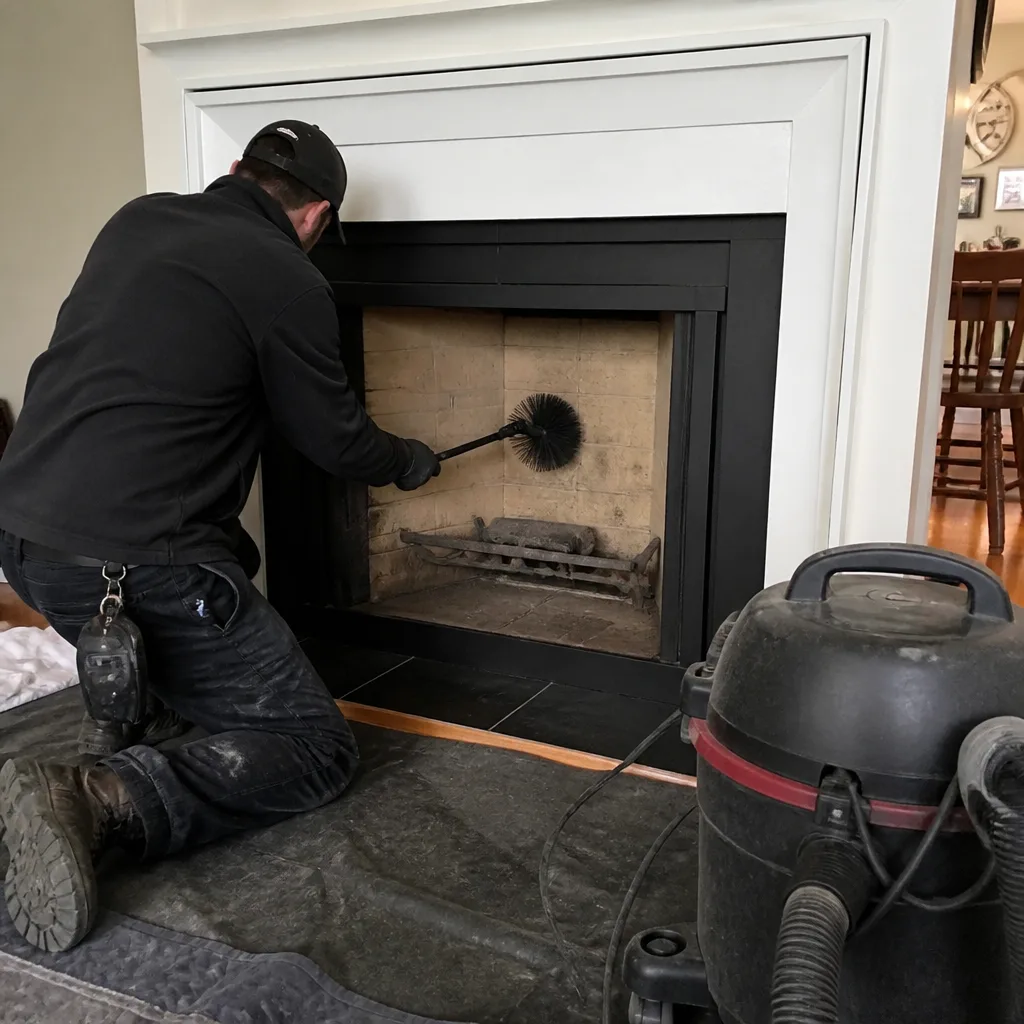 After
AfterHow to Hire a Chimney Cleaning Contractor in Elizabeth: A Step-by-Step Guide
New Jersey has no state licensing requirement specific to chimney sweeps. Anyone with a brush and a van can legally work on your flue tomorrow morning. In Elizabeth, where pre-war colonials in Westminster and mid-century ranches in Elmora Hills sit side by side with radically different chimney conditions, that regulatory gap matters more than most homeowners realize. This guide - alongside our more guides & resources - gives you a verification sequence that takes about ten minutes and eliminates the operators who won’t survive a basic check. Do this before you dial, and the right contractor becomes obvious.
Quick Answer
To hire a chimney cleaning contractor in Elizabeth, verify active CSIA certification through the public database, confirm the company carries general liability and workers’ compensation insurance, request a written scope of work before scheduling, and insist on photo documentation with a written verdict after the job. A legitimate contractor will not hesitate on any of these four points.
Table of Contents
- How to Verify CSIA Certification in Real Time
- Five Questions to Ask Before You Schedule
- What a Written Scope of Work Should Include
- Elizabeth-Specific Red Flags to Watch For
- How to Evaluate a Post-Job Report
- What Chimney Cleaning Costs in Elizabeth
- Common Mistakes to Avoid
- When to Call a Professional
- Frequently Asked Questions
- The Bottom Line
How to Verify CSIA Certification in Real Time
The Chimney Safety Institute of America runs the only nationally recognized certification program for sweeps. CSIA-certified sweeps pass a closed-book exam on fire codes, clearances, and combustion science, then recertify every three years with continuing education. The certificate on a truck door or shop wall proves nothing. The active record in CSIA’s public database proves everything.
Here’s the 90-second check:
- Go to csia.org/search and click “Certified Professional Locator.”
- Enter the technician’s name or the company name.
- Look for a green “Active” status, not “Expired” or “Not Found.”
- Note the certification number and expiration date.
In our experience across Elizabeth and Union County, roughly one in three contractors who advertise “certified sweeps” fail this check. Some let certification lapse years ago. Others never held it personally and borrowed a colleague’s credential. The database does not lie.
CSIA certification is not the only credential that matters, but it is the floor. Without it, you have no verified training in creosote chemistry, flue gas dynamics, or NFPA 211 code requirements. In Elizabeth’s older housing stock, where unlined chimneys from the 1920s still vent modern appliances, that knowledge gap can turn a routine sweep into a missed hazard.
One more thing: ask which technician will arrive. Some companies employ one certified sweep and send uncertified helpers to the actual jobs. The database check should match the person on your roof, not just the owner.
Five Questions to Ask Before You Schedule
The phone call is your first filter. Legitimate contractors in Elizabeth answer openly. Operators with something to hide deflect, rush, or disappear. Ask these five questions in this order. Write down the answers.
1. “Are your technicians CSIA-certified, and can I verify them in the database before booking?”
A straight yes with instructions to check is the right answer. Hesitation, “I’ll have to get back to you,” or “Our guy has twenty years of experience” without a credential is not. Experience without verified training often means twenty years of repeating the same mistakes.
2. “What insurance do you carry, and will you send proof before the appointment?”
Demand general liability and workers’ compensation. In New Jersey, workers’ comp is mandatory for contractors with employees, but many one-truck operators skip it. If a technician falls off your roof in Elizabeth and lacks coverage, your homeowner’s policy becomes the target. A legitimate contractor emails a certificate of insurance within the hour. We do this as standard practice at Hearthstone Chimney Co. home.
3. “What exactly does your cleaning include, and what does it cost?”
Vague answers like “we’ll see when we get there” protect the contractor, not you. A written scope should specify: inspection type (Level 1 visual or Level 2 camera), areas accessed (firebox, smoke chamber, flue, exterior crown), debris removal, and whether a written report is included. For Elizabeth homes with oil or gas heating appliances, confirm whether the connector pipe is included or billed separately.
4. “Do you provide photo documentation and a written verdict after the job?”
This is the question unaccountable operators consistently dodge. They want to tell you the liner is cracked, pressure you into a $3,000 replacement, and hand you a receipt. A legitimate contractor shows you the photos, explains what they mean in plain English, and puts the verdict in writing. At Hearthstone, our Chimney Cleaning & Sweep in Elizabeth includes this documentation as standard. No photos, no documented condition - you have no way to verify whether recommended work is necessary.
5. “What happens if I disagree with your findings or the work isn’t done right?”
The answer reveals the company’s backbone. A guarantee in writing, with no paperwork required to invoke it, signals a business that plans to be around long enough to honor its word. Ask when the company was founded. A contractor who opened last fall and talks about “standing behind our work” has no track record to stand on.
What a Written Scope of Work Should Include
Never allow a sweep to touch your chimney without a written scope. This document is your contract and your protection. In Elizabeth, where the Building Division enforces the International Residential Code with local amendments, a proper scope also demonstrates code awareness - see Chimney Cleaning Permits, Codes & Inspections in NJ: What You Need to Know - that protects your certificate of occupancy if you sell.
A legitimate scope of work includes:
- Property address and date - basic, but missing on many informal quotes
- Type of inspection - NFPA 211 defines Level 1 (visual, accessible areas), Level 2 (camera inspection, required for real estate transactions or after chimney fire), and Level 3 (destructive inspection, rarely needed)
- Specific components to be cleaned and inspected - firebox, damper, smoke chamber, flue liner, crown, cap, exterior masonry
- Equipment and methods - rotary power sweeping vs. manual brushing, HEPA vacuum for soot containment, drop cloths for floor protection
- Documentation deliverables - photo count, written condition assessment, recommended repairs with priority ranking
- Total price and payment terms - the number on the estimate is the number on the invoice, with no “trip charges” or “equipment fees” added after
- Guarantee terms - duration, what it covers, how to invoke it
In Elizabeth’s seasonal market, some operators offer a low “sweep special” in spring, then discover “urgent” repairs once they’re in your house. A written scope with a priority ranking - “safety-critical,” “recommended within 12 months,” “monitor” - prevents this bait-and-switch. If a contractor won’t provide one, that refusal is your answer.
We provide this documentation before every job at Hearthstone. Our Chimney Repair in Elizabeth follows the same standard: nothing recommended without photo evidence, nothing started without your written approval.
Elizabeth-Specific Red Flags to Watch For
The Elizabeth chimney market has patterns we’ve observed over four decades. These red flags cluster in specific neighborhoods and seasons. Know them, and you’ll recognize the pitch before it lands.
Low-ball door-hanger quotes
In early fall, flyers appear in Bayway and Downtown Elizabeth advertising “$89 chimney specials” or “$69 sweep and inspect.” The price barely covers fuel and insurance for a legitimate operation. These are loss-leader appointments designed to find $2,000 in “necessary” repairs once the technician is inside. The actual sweep, if performed, is cursory. We’ve been called to Elizabeth homes where the “$89 special” left an inch of glazed creosote in the flue and a cracked liner undiagnosed.
Pressure to approve repairs during the cleaning visit
A legitimate contractor identifies conditions, documents them, and lets you decide on your timeline. The high-pressure closer insists the crown repair or liner replacement must happen today, “before the burning season,” with a “discount” that expires when the truck leaves. In Elizabeth’s climate, where freeze-thaw cycles from January through March do accelerate masonry damage, some repairs genuinely shouldn’t wait. But the determination comes from documented evidence you can see, not from a sales script. Ask for the photos, get a second opinion, and call back when you’re ready.
“Camera fee” upsells
A Level 2 camera inspection is standard practice for any sweep involving a real estate transaction, a chimney fire history, or a suspected liner problem. It is not an add-on luxury. Contractors who quote a low base price, then announce a $150 “camera fee” at the door, are structuring their quote to appear competitive while extracting more on site. Ask whether camera inspection is included in the quoted price. At Hearthstone, our Level 2 inspection with photo documentation is built into the scope, not sprung as a surprise.
No local physical presence
Elizabeth sits in a dense contractor market. Some operators list a local phone number but dispatch from Pennsylvania or upstate New York, with no local office, no local reputation, and no local accountability. Check the address. A PO box or residential address is not a business location. A contractor with decades in Union County has neighbors who know their work.
Vague or missing brand specifications
When liner replacement or cap installation is recommended, ask what material and brand will be used. Professional-grade stainless steel liners from Olympia Chimney or DuraFlex carry lifetime warranties and proper UL listings. Builder-grade alternatives fail in five to seven years in Elizabeth’s freeze-thaw climate. A contractor who says “stainless steel liner” without a brand or specification is selling you the cheap one.
How to Evaluate a Post-Job Report
The job isn’t done when the truck leaves. The job is done when you have documentation that lets you make informed decisions for the next year, or the next decade. A receipt with “Chimney swept - $225” is not documentation. Here’s what a proper post-job report contains, and how to read it.
Photographic evidence
Every significant finding needs a photo. Liner cracks, crown deterioration, mortar joint gaps, creosote buildup before and after. The photos should be clear, dated, and labeled with location (e.g., “Flue tile, 8 feet above smoke shelf”). Blurry images or generic stock photos are worthless. At Hearthstone, we deliver digital photos with every Level 2 inspection, organized by component, with the technician’s notes attached.
Written condition assessment
This is the plain-English verdict, not a checklist of codes. It should state what was found, what it means for safety and function, and what action is recommended with a timeline. Example: “Crown has hairline cracks with water infiltration. Repair with CrownCoat or full rebuild recommended within 18 months to prevent freeze-thaw damage. No immediate safety concern.” Compare that to the typical vague note: “Crown damaged - recommend repair.” One lets you plan. The other pressures you to panic.
Priority ranking of recommendations
Not everything needs immediate action. A good report separates:
- Safety-critical - immediate fire or CO hazard, burning should stop until repaired
- Recommended within 12 months - deteriorating condition, schedule with budget
- Monitor - note for next annual inspection, no action now
In Elizabeth’s housing stock, we regularly find aging terra cotta liners with minor spalling that falls into the “monitor” category. An unscrupulous contractor calls this “liner failure” and quotes $4,000. A documented priority ranking protects you from unnecessary work.
Service record for future reference
The report should note date, technician name, and what was done. This builds a history that helps future contractors (or you) track deterioration rates. In Elmora, where many chimneys serve both original coal-era flues and later oil or gas conversions, that history prevents redundant work and missed connections between past modifications and current problems.
What Chimney Cleaning Costs in Elizabeth
Price transparency helps you spot the outliers. For a detailed breakdown, see our Chimney Cleaning Cost Breakdown: The Elizabeth Homeowner’s Reference for 2026. In Union County’s current market, expect these ranges for legitimate, documented work:
| Service | Typical Range in Elizabeth | What’s Included |
|---|---|---|
| Level 1 chimney sweep and inspection | $175 - $275 | Visual inspection, firebox to flue cleaning, basic debris removal, verbal or brief written summary |
| Level 2 sweep with camera inspection | $275 - $425 | Full rotary sweeping, internal camera scan, photo documentation, written condition report with recommendations |
| Fireplace insert or wood stove cleaning | $225 - $350 | Disassembly of baffle/liner connections, appliance cleaning, reassembly, draft testing |
| Gas fireplace service and inspection | $150 - $250 | Burner cleaning, pilot adjustment, safety control check, venting inspection |
| Oil/gas appliance connector cleaning | $125 - $200 (often bundled) | Flue pipe disassembly, soot removal, reassembly with proper draft |
Prices at the bottom of these ranges are possible from legitimate operators with efficient routes and low overhead. Prices far below signal corner-cutting on insurance, documentation, or actual cleaning time. Prices far above without clear justification signal upsell pressure or inefficient operations.
Our $89 Seasonal Tune-Up at Hearthstone is a structured entry point, not a loss-leader. It includes a Level 1 inspection and basic sweep for standard open fireplaces, with full documentation available as an upgrade. The price is the price. No surprises on the bill.
Elizabeth’s older homes, particularly in Westminster and the historic districts near City Hall, often require additional time for access and careful handling of fragile original components. That complexity justifies the upper end of these ranges. It does not justify open-ended hourly billing without a ceiling.
Common Mistakes to Avoid
- Hiring based on speed of availability alone. The contractor who can come this afternoon in October may be the one no one else booked for good reason. A two-week wait for a CSIA-certified sweep with documented results beats same-day service from an unknown operator.
- Accepting verbal estimates for repair work. In Elizabeth’s competitive market, some contractors lowball verbally to get in the door, then “discover” additional needs. Every repair recommendation should follow photo documentation and a written estimate you can review without pressure.
- Skipping the insurance check. New Jersey’s lack of sweep-specific licensing makes this more critical, not less. A certificate of insurance takes two minutes to request and protects you from liability that could cost tens of thousands.
- Assuming all “certifications” are equal. CSIA is the recognized standard. “Certified chimney professional” from an online course, or manufacturer training for a single product line, is not equivalent. Verify the specific credential.
- Neglecting the post-job report. Without photos and a written verdict, you have no baseline for next year’s inspection, no evidence for a dispute, and no documentation for a home sale. The report is part of what you paid for. Demand it.
- Ignoring neighborhood-specific risks. In Elizabeth’s coastal-influenced climate, with higher humidity than inland Union County, galvanized caps and cheap spark arrestors rust faster. A contractor unfamiliar with local conditions may install components that fail prematurely.
- Paying in full before work is complete and documented. Standard practice is payment upon completion after you’ve reviewed the report. Demands for large deposits or full prepayment for routine sweeps are red flags.
When to Call a Professional
Some conditions require immediate professional evaluation, not a scheduled annual sweep. Call a certified sweep promptly if you notice smoke backing up into the room, a strong tar or creosote odor during heating season, visible cracks in exterior masonry, or water staining on walls or ceilings near the chimney. After any chimney fire, even a small one, a Level 2 inspection is mandatory before the next use.
In Elizabeth, where many neighborhoods have mature trees that shed debris directly into uncapped flues, we also recommend immediate inspection if you hear animal activity or detect nesting materials. Squirrel and bird blockages are common from September through November, and they create acute carbon monoxide hazards with gas appliances.
Hearthstone Chimney Co. offers free estimates in Elizabeth. Our phones are answered by a live person, 24 hours a day, 7 days a week - every day, every hour. Call (908) 923-3159 to schedule or to discuss what you’re seeing. We’ll tell you honestly whether it needs immediate attention or can wait for routine booking.
Frequently Asked Questions
A Level 1 sweep and inspection typically runs $175-$275, while a Level 2 inspection with camera documentation runs $275-$425. Prices vary by chimney height, accessibility, and appliance type. Call (908) 923-3159 for an exact quote - estimates are free.
Not necessarily. Liners fail from cracks, gaps, or corrosion that allow heat and combustion gases to reach surrounding structure - but minor spalling or isolated cracks often fall into “monitor” status. We never recommend liner replacement without camera evidence you can see yourself, and we’ll plainly tell you when work can safely wait. Our Free Second Opinion on any written estimate gives you that extra confidence.
The NFPA recommends annual inspection for all chimneys, with cleaning frequency depending on use. Wood-burning fireplaces used regularly need sweeping when creosote reaches 1/8 inch thickness, typically annually. Oil and gas systems should be inspected yearly and cleaned as needed based on soot accumulation. In Elizabeth’s climate, where temperature swings accelerate thermal cycling damage, the annual inspection is the non-negotiable part.
Accumulated creosote ignites at approximately 451°F and burns at over 2,000°F, capable of cracking liners and igniting adjacent framing. Blocked or damaged flues vent carbon monoxide into living spaces. Deferred maintenance turns $250 annual prevention into $4,000-$15,000 in liner replacement, masonry rebuild, or worse. The risk is real, specific, and preventable.
No. New Jersey has no state licensing for chimney sweeps. CSIA certification is voluntary - which is exactly why verifying it matters. It is the clearest available signal that a technician has passed standardized training in fire safety, codes, and proper technique. The public database at csia.org removes any guesswork.
For a simple, short, straight flue with proper equipment and knowledge of what to look for, DIY brushing is possible. However, most Elizabeth chimneys have offset flues, multiple appliance connections, or deteriorated components that require professional evaluation. More importantly, without a camera inspection, you cannot see the conditions that matter most - liner cracks, hidden creosote glazing, or combustion chamber damage. The cost of missing these conditions far exceeds the cost of professional service. For safety-critical work involving heights, confined flue spaces, or gas appliance venting, we recommend a trained professional.
The Bottom Line
Hiring a chimney cleaning contractor in Elizabeth comes down to four verifications: active CSIA certification in the public database, current insurance documentation, a written scope of work before scheduling, and photo documentation with a written verdict after the job. Operators who hesitate on any of these points have a reason. Your job is to find that reason before they touch your chimney.
The Elizabeth market includes skilled, accountable sweeps and operators who won’t survive basic scrutiny. The difference is knowable in ten minutes of verification. Do that work upfront, and the right choice becomes obvious - not because of a slick pitch, but because the contractor’s process earns trust the way mortar earns a bond: no flash, no shortcuts, just the thing done correctly.
Written by Russell Haines, Owner at Hearthstone Chimney Co., serving Elizabeth since 2014.