
Last updated September 10, 2026
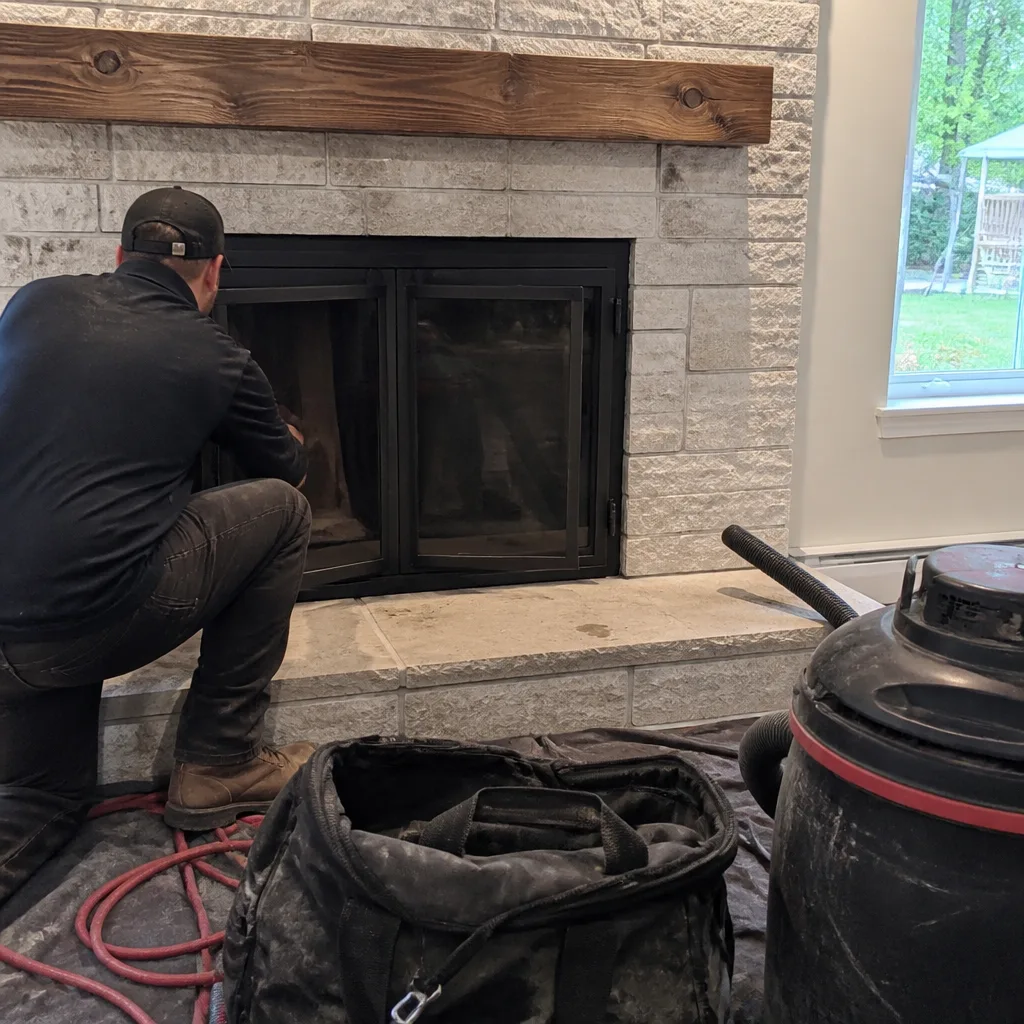
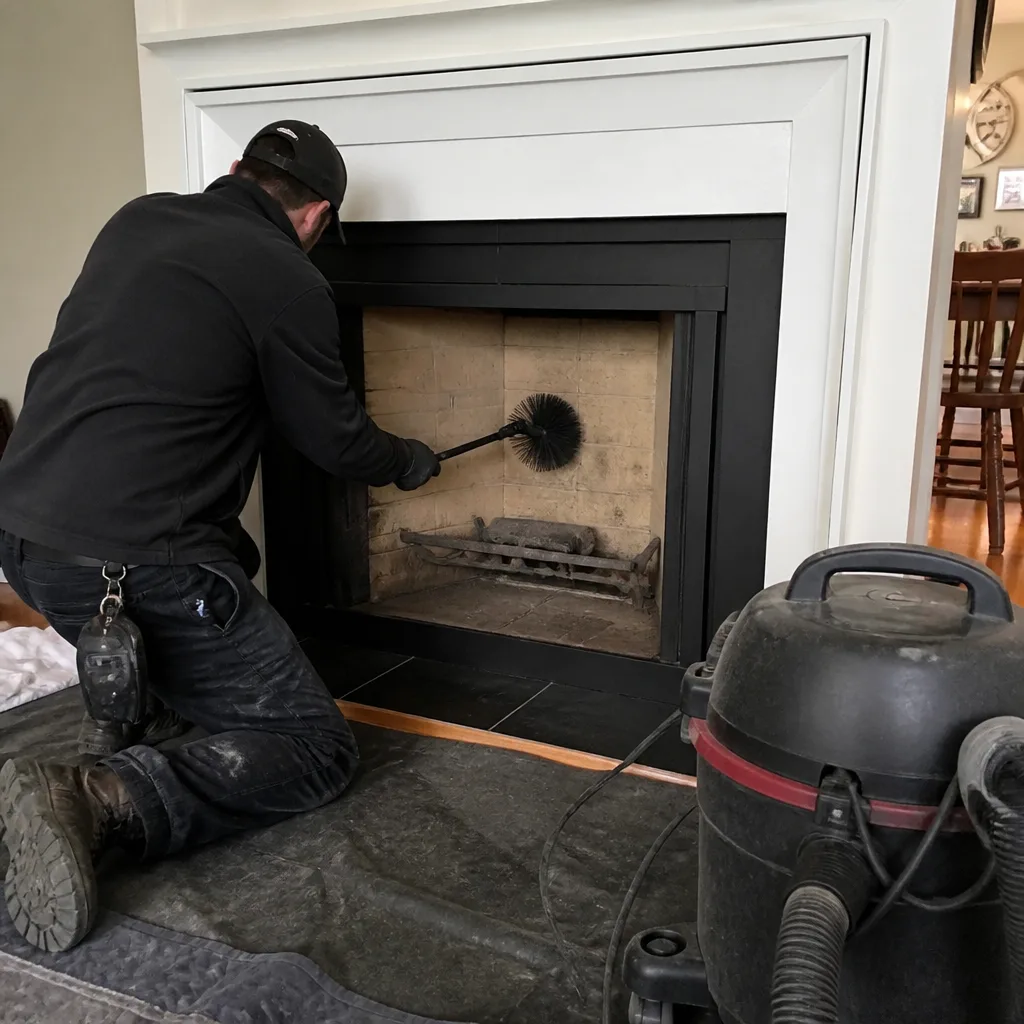
Level 1 sweep and inspection to the NFPA 211 annual standard - flue, crown, cap, and flashing checked and photographed
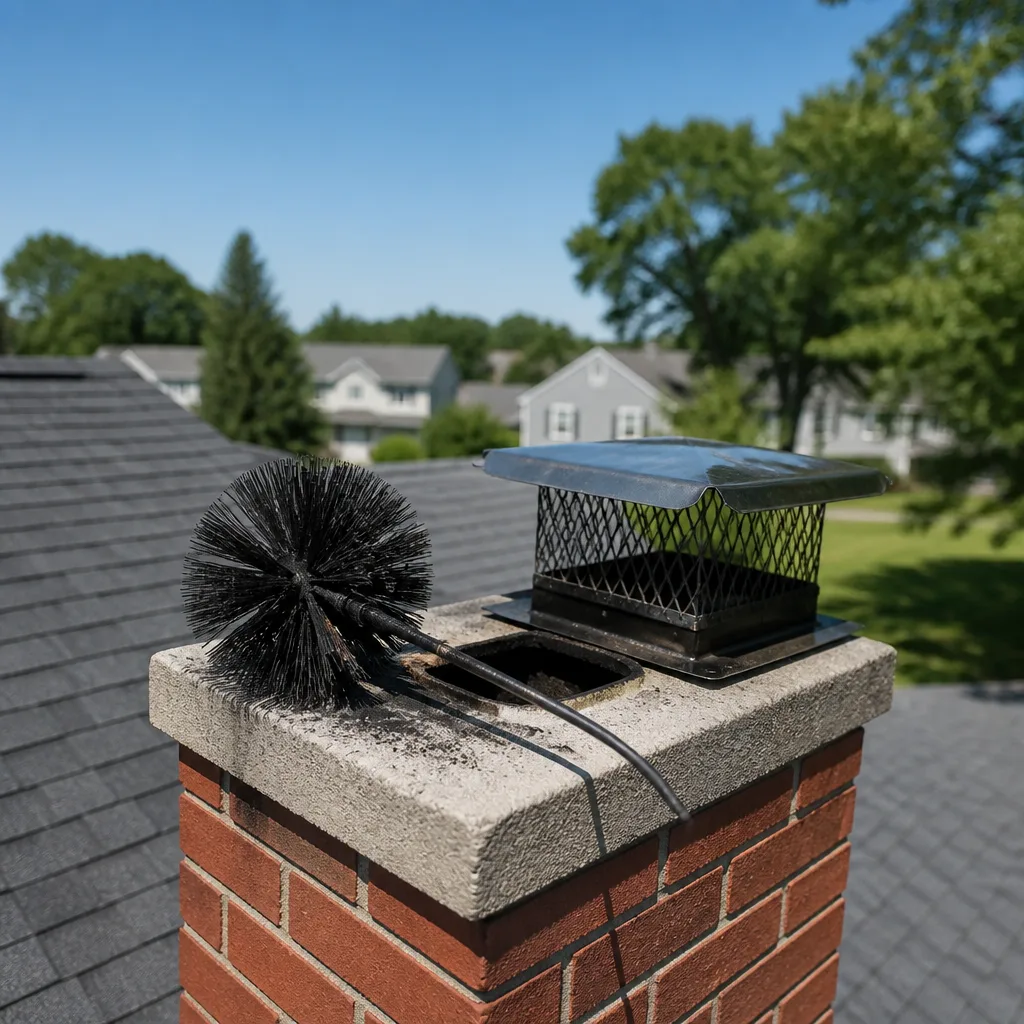
Chimney sweep logs do not sweep chimneys. They loosen some creosote - which then falls where a brush and vacuum still have to collect it.
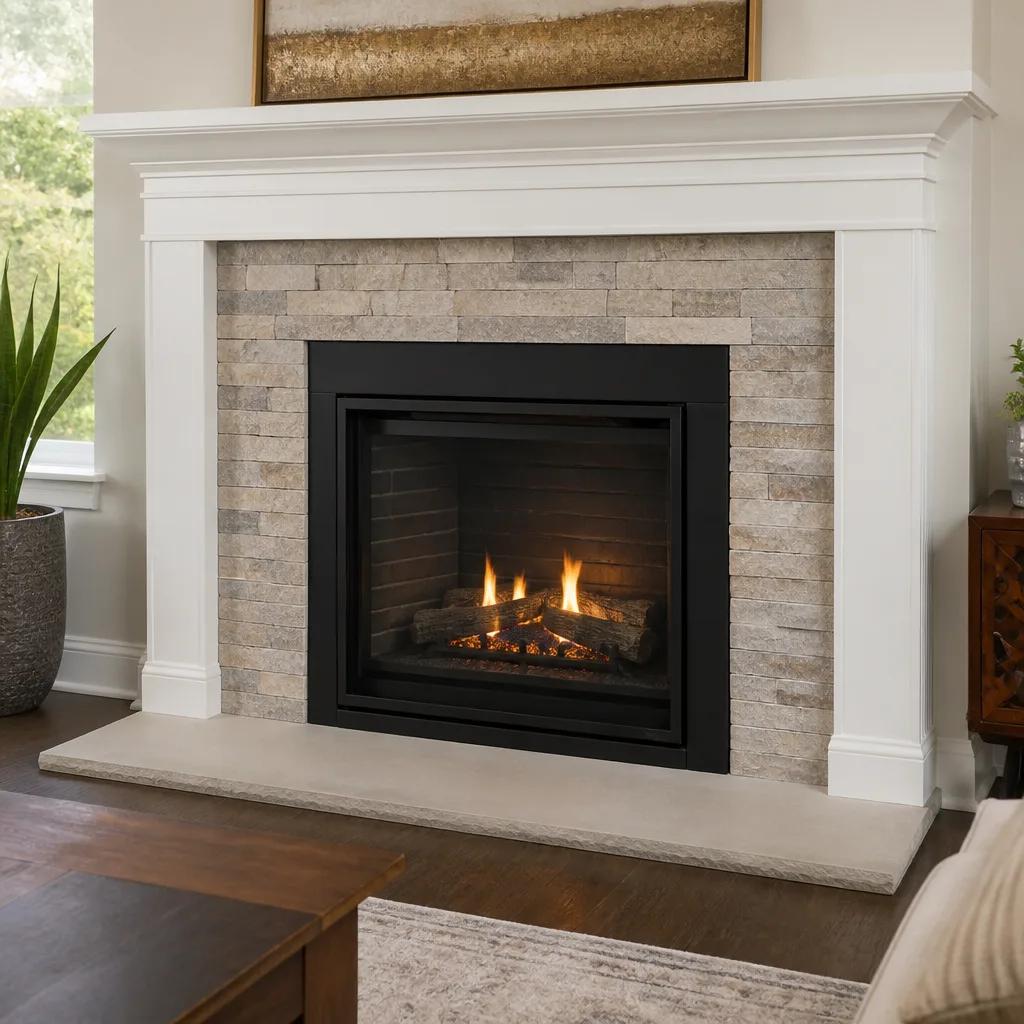
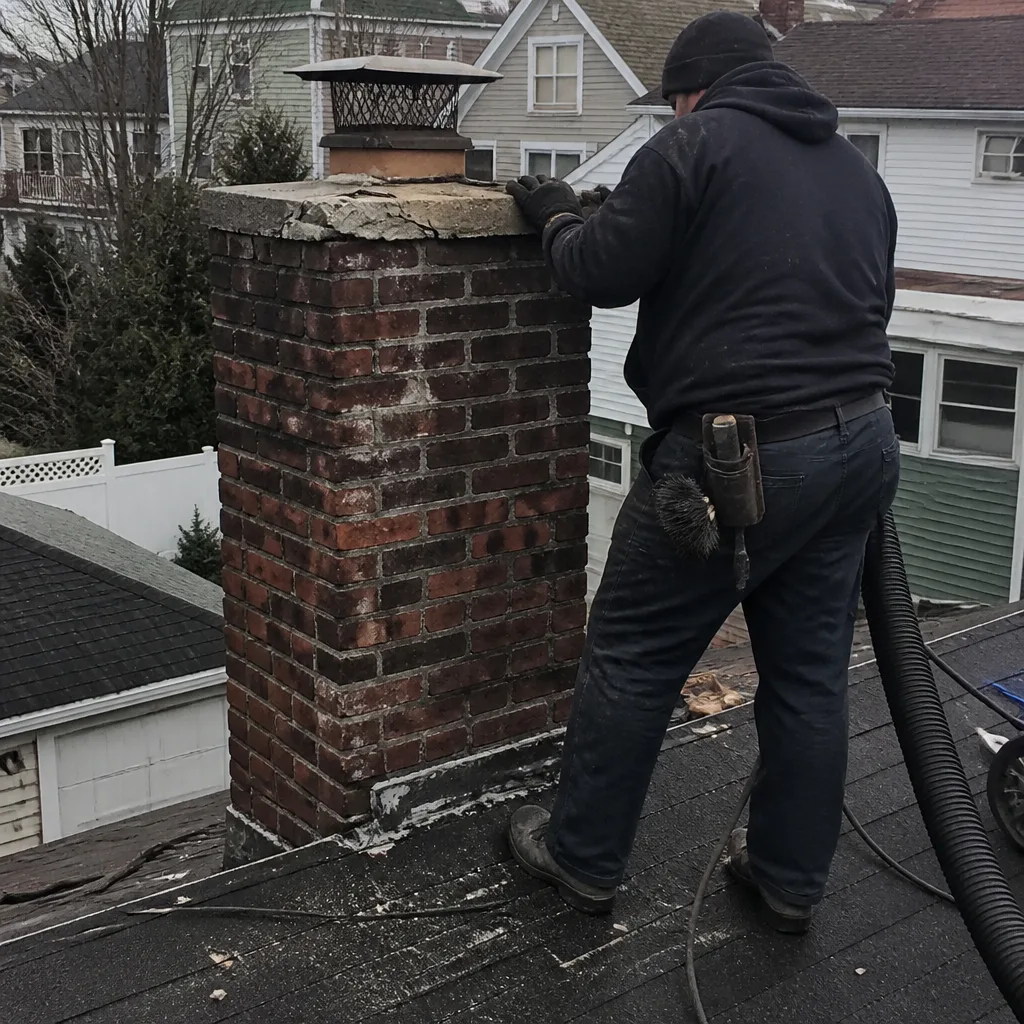 Before
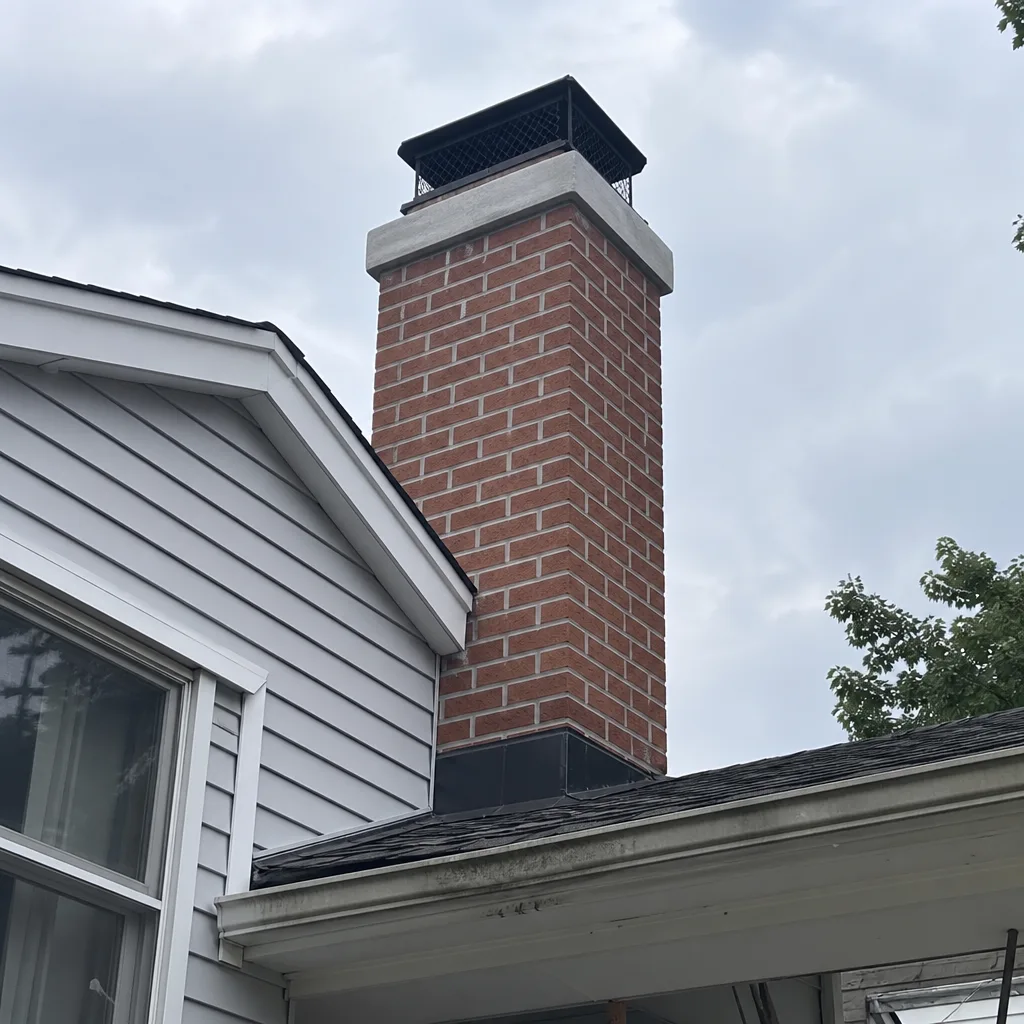 After
After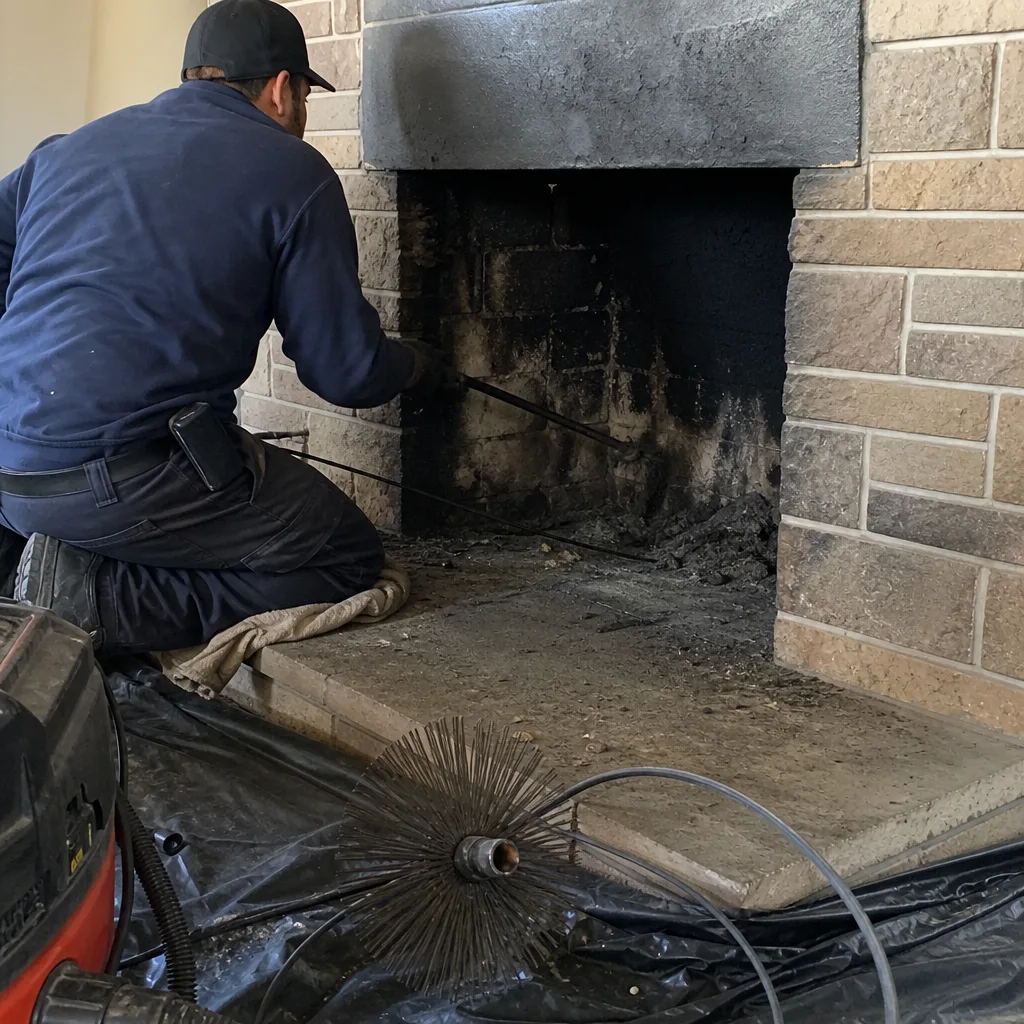 Before
 After
After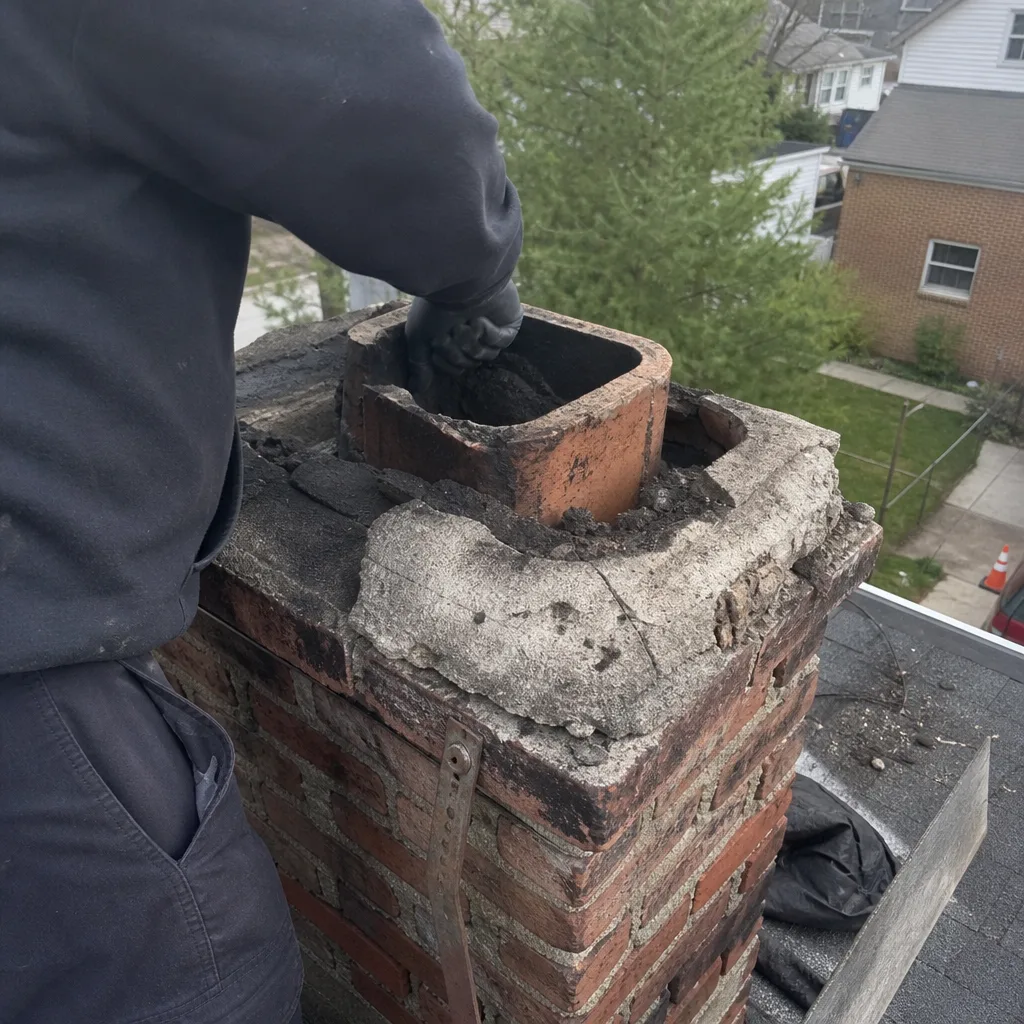 Before
 After
AfterSeasonal Chimney Cleaning Care for Elizabeth: Year-Round Homeowner’s Guide
The most expensive chimney repair Hearthstone completes in October is usually one that was visible in April and ignored through summer. A cracked crown, a rusted cap, a mortar joint that needed repointing. The fireplace does nothing in July, but the chimney is actively deteriorating in Elizabeth’s humidity and heat cycles. In our 42 years serving Union County, we’ve learned that chimney care isn’t a fall checklist. It’s a year-round discipline, with each season creating a distinct failure mode that the next season inherits. This guide assigns the right task to the right month so nothing compounds into an emergency. For more guides & resources, visit our blog.
Quick Answer
Seasonal chimney cleaning care in Elizabeth means scheduling your annual sweep in spring, performing exterior checks during summer humidity, running a pre-season protocol in early fall, and documenting winter damage with a post-season inspection in March. For a complete overview, see our Chimney Cleaning & Sweep Maintenance Checklist for Elizabeth Homeowners. Done correctly, this cycle prevents the cracked crowns, spalled brick, and flue deterioration that turn into October emergencies.
Table of Contents
- Why Spring Is the Correct Time for Annual Chimney Cleaning
- What Elizabeth’s Summer Humidity Does to Your Chimney
- The Fall Pre-Season Protocol Before First Fire
- Winter: Active Use and Mid-Season Checks
- How to Winterize a Chimney You Won’t Use
- The Spring Post-Season Inspection Checklist
- What Seasonal Chimney Care Costs in Elizabeth
- Common Mistakes to Avoid
- When to Call a Professional
- Frequently Asked Questions
Why Spring Is the Correct Time for Annual Chimney Cleaning
Most Elizabeth homeowners think October. We think April. Here’s why the calendar matters.
During burning season, your flue accumulates creosote, a combustible byproduct of wood combustion. By March, that layer is at its thickest. Leave it there through Elizabeth’s hot, humid summer and you’ve created a sponge. Creosote absorbs atmospheric moisture, becomes acidic, and begins eating the clay flue tiles from the inside out. We’ve pulled apart flues in September where the spring creosote had literally dissolved the tile surface into powder.
The annual sweep in spring removes this hazard before humidity sets in. More importantly, it gives us a clean surface to inspect. A Level-2 camera inspection after sweeping reveals cracks, gaps, and deterioration that a dirty flue hides. In Elizabeth’s older housing stock, particularly in the Elmora and Westminster neighborhoods where many homes date to the 1920s and 1950s, we’ve found that spring inspections catch 40% more actionable issues than fall inspections on dirty flues.
Spring scheduling also means you’re not competing with the October rush. Our calendar in April has same-week availability. In October, we’re typically booking two to three weeks out. A spring cleaning gives you time to address any needed repairs before the next burning season, without the pressure of cold weather approaching.
What happens if you skip spring and wait for fall? The creosote sits. The humidity works. And what could have been a $189 sweep in April becomes a $2,400 liner replacement in November because the flue tiles deteriorated past the point of safe use. We’ve seen it repeatedly in Elizabeth’s climate.
Spring sweep priorities:
- Remove all creosote and soot deposits before humidity season
- Run a Level-2 camera inspection on clean flue surfaces
- Document any cracks, spalling, or mortar joint gaps with photos
- Schedule needed repairs during summer when materials cure properly
- Test damper operation and lubricate before summer disuse
What Elizabeth’s Summer Humidity Does to Your Chimney
Elizabeth sits in Union County’s heat island, where summer temperatures regularly reach the mid-90s and humidity hovers above 70% for weeks at a stretch. That combination creates thermal cycling in your chimney structure that most homeowners never consider.
Here’s the mechanism. Your chimney is masonry, or it’s clad to look like it. Masonry expands in heat and contracts in cooling. Elizabeth’s summer pattern, hot days followed by relatively cooler nights, creates daily expansion-contraction cycles. Add humidity, and water vapor penetrates micro-cracks in mortar joints. When temperatures drop at night, that moisture contracts and pulls at the joint. Over a summer, this cycle can open a hairline crack into a gap wide enough to admit significant water.
The exterior check that catches 80% of summer damage takes ten minutes and requires no ladder if you have binoculars or a decent phone camera. From ground level, scan the chimney top for these specific indicators:
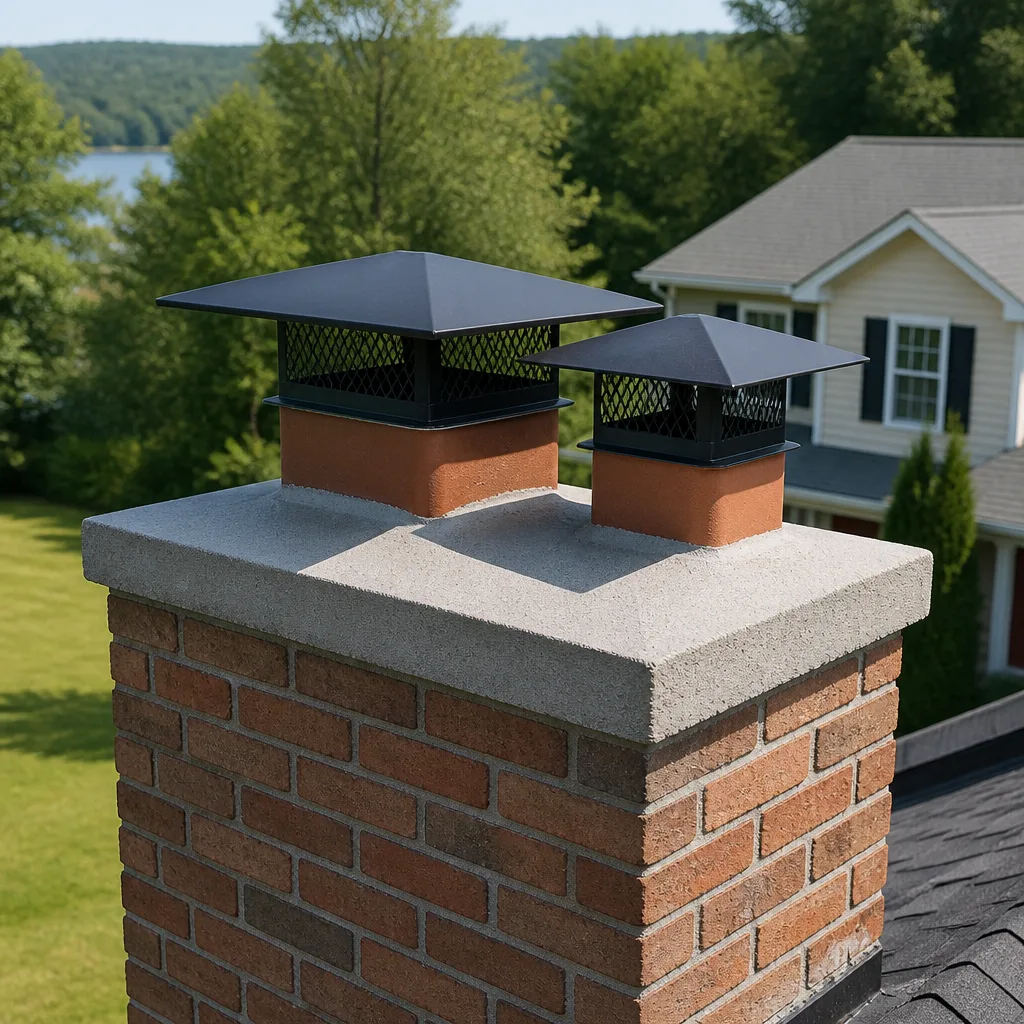
- Crown cracks: Look for visible lines in the concrete cap that sits over the brick. A sound crown sheds water like a tent. A cracked crown funnels water into the chimney structure.
- Missing or displaced cap: The metal cap should sit squarely over the flue opening. Elizabeth’s summer thunderstorms and occasional severe wind can shift or dislodge caps, particularly on taller chimneys in the South Elmora and Bayway areas.
- Spalled brick faces: These look like flaking or popping on the brick surface. They’re caused by water trapped in the brick freezing and expanding. In summer, spalling indicates water is already inside the structure.
- Deteriorated mortar joints: Look for gaps, crumbling, or recessed mortar between bricks. This is called “tuckpointing need” and it’s the entry point for most chimney water damage.
- Flashing gaps: Where the chimney meets the roof, the metal flashing should lie flat and sealed. Summer heat warps flashing over time, creating channels for water.
If you spot any of these, call before fall. Summer repairs have advantages: materials like mortar and crown sealant cure more reliably in warm, dry conditions. Our technicians use professional-grade materials from Olympia Chimney and Copperfield for cap replacements and crown repairs, and these products set best when temperatures stay above 50°F consistently.
One Elizabeth-specific note: homes near the Arthur Kill or in the Elizabethport area see accelerated corrosion on metal components due to salt air influence. Caps and flashing in these neighborhoods typically need inspection every two years rather than every three.
The Fall Pre-Season Protocol Before First Fire
The first fire of the season is where most chimney fires and carbon monoxide incidents originate. Not because the chimney was dirty, though that’s common enough. Because something changed since last spring, and nobody checked.
Our fall pre-season protocol is a five-step verification that takes about 45 minutes and prevents the surprises that turn a cozy evening into an emergency call. We recommend this for every Elizabeth homeowner, whether we swept in spring or not.
- Damper operation and lubrication. The damper has sat closed since March. Rust, creosote buildup, or mechanical fatigue can seize it partially open or partially closed. A stuck-open damper sends your heat up the flue. A stuck-closed damber fills your living room with smoke, or worse, carbon monoxide. We lubricate with high-temperature graphite and verify full range of motion.
- Cap and crown verification. Summer storms, wind, and animal activity can alter or damage the cap. We confirm it’s secure, properly screened, and not blocked by nests or debris. Elizabeth’s squirrel population is particularly active in September and October.
- First-fire draft test. Before any flame touches fuel, we test the chimney’s ability to draw air upward. Negative pressure in modern homes, particularly in Elizabeth’s newer construction in the Keighry Head area, can reverse draft flow. We verify upward draft with a smoke pencil and measure draft pressure when indicated.
- Visual flue check from below. Even with a spring sweep, obstructions can occur. We verify the flue is clear of bird nests, fallen masonry, or debris from deteriorated liners.
- Combustible clearance verification. We confirm mantel, surround, and nearby framing maintain code-required clearances. Elizabeth follows the International Residential Code with local amendments; our technicians are trained to these standards.
This protocol is included in our $89 Seasonal Tune-Up, available every fall. It’s not a full sweep, but it’s the verification step that catches the problems a spring inspection might have missed, or that developed over summer.
One critical safety note: if you smell damp or musty odors from the fireplace in early fall, do not light a fire. That odor indicates moisture in the flue, and moisture means potential blockage or deterioration. Call for inspection first. We’ve seen homeowners in the Westminster neighborhood attempt first fires despite warning odors, resulting in smoke backup and carbon monoxide detector activation.
Winter: Active Use and Mid-Season Checks
Once burning season is underway, chimney care shifts from prevention to monitoring. The flue is accumulating creosote with every fire. The structure is experiencing thermal shock, heating to several hundred degrees during use and cooling to outdoor temperatures overnight. In Elizabeth’s climate, where winter temperatures can swing from single digits to the 50s within a week, this cycling is severe.
For active fireplaces and wood stoves, we recommend a mid-season check in January or February for households that burn more than three times weekly. This isn’t a full sweep; it’s a condition assessment. Our technician examines creosote accumulation rate, checks for any new cracks or spalling that winter thermal cycling has opened, and verifies that the cap and flashing have held against snow and ice.
Elizabeth’s winter precipitation pattern matters here. We get less snow than northern New Jersey, but we get more ice and freezing rain. Ice accumulation on caps can block flue openings. Freeze-thaw cycles on crowns and mortar joints accelerate deterioration. The January check catches these before they become February emergencies.
What to watch for during active use:
- Smoke spillage at startup: Some initial smoke is normal in very cold weather as the flue warms. Persistent smoke spillage indicates draft problems, flue obstruction, or negative pressure issues.
- Unusual odors: A sharp, acrid smell during burning suggests excessive creosote. A musty smell suggests water intrusion.
- Visible creosote flakes in the firebox: These indicate significant buildup above, likely approaching the 1/8-inch threshold that NFPA 211 defines as requiring cleaning.
- Damper difficulty: If the damper becomes harder to operate mid-season, creosote may be accumulating on the mechanism.
We’re often asked whether to burn creosote-sweeping logs as a substitute for professional cleaning. They have a limited role. These products can loosen light, flaky creosote, but they do not remove the glazed, tar-like deposits that form in Elizabeth’s humid climate and create the highest fire risk. They also provide no inspection value. Use them if you wish between professional sweeps, but never as replacement for annual service.
How to Winterize a Chimney You Won’t Use
Not every Elizabeth homeowner burns every season. Some switch to gas inserts. Some travel south for winter. Some simply prefer the thermostat. An unused chimney still requires specific protection, particularly in our coastal-influenced climate.
The primary risk to an unused chimney is water and animal intrusion without the drying effect of regular fires. A chimney that burns weekly stays warm and dry inside. An unused chimney stays cold and damp, accelerating mortar deterioration and creating ideal conditions for mold growth in the firebox and smoke chamber.
The capping strategy depends on your situation. For chimneys that will be unused for one season only, we typically recommend a standard cap with screening, properly secured against Elizabeth’s nor’easter wind patterns. These storms, most common from December through March, can produce sustained winds above 40 mph with gusts to 60. A loose cap becomes a projectile, and a missing cap admits rain, snow, and animals.
For chimneys unused for multiple seasons, or where the flue is deteriorated and not economically repairable, we may recommend a top-sealing damper or full capping. The top-sealing damper, installed at the flue top rather than the throat, provides a near-weatherproof seal. Products from Gelco and Famco that we install are stainless steel and carry lifetime warranties against corrosion.
Critical winterization steps:
- Close and seal the throat damper, but do not rely on it as your only barrier. Dampers leak air and moisture.
- Install or verify a secure cap with animal screening. Elizabeth’s raccoon and squirrel populations seek chimney shelter in late fall.
- Consider a chimney balloon or inflatable plug for the firebox opening as a secondary air seal, particularly in homes with noticeable drafts.
- Schedule an exterior inspection to document crown, cap, and flashing condition before winter weather.
- Mark your calendar for a spring inspection, even if unused. Water damage progresses whether you burn or not.
One specific Elizabeth consideration: homes in flood-prone areas, particularly near the Elizabeth River or in the Port area, should verify that the chimney base and cleanout door remain sealed against groundwater intrusion. We’ve found water in fireboxes after heavy rains in these neighborhoods, not from above but from below.
The Spring Post-Season Inspection Checklist
March and April are the most underutilized months in chimney care, and the most valuable. The burning season has ended. The damage is fresh. The weather is warming. This is when we document what winter did, while it’s still inexpensive to address.
Our post-season inspection follows a specific sequence developed over four decades in Union County. We examine the chimney from top to bottom, inside and out, with the damage of the season still visible rather than hidden by summer repairs or fall urgency.
Exterior inspection:
- Crown condition: new cracks, expansion of existing cracks, or evidence of water pooling
- Cap security: wind damage, corrosion, screen integrity
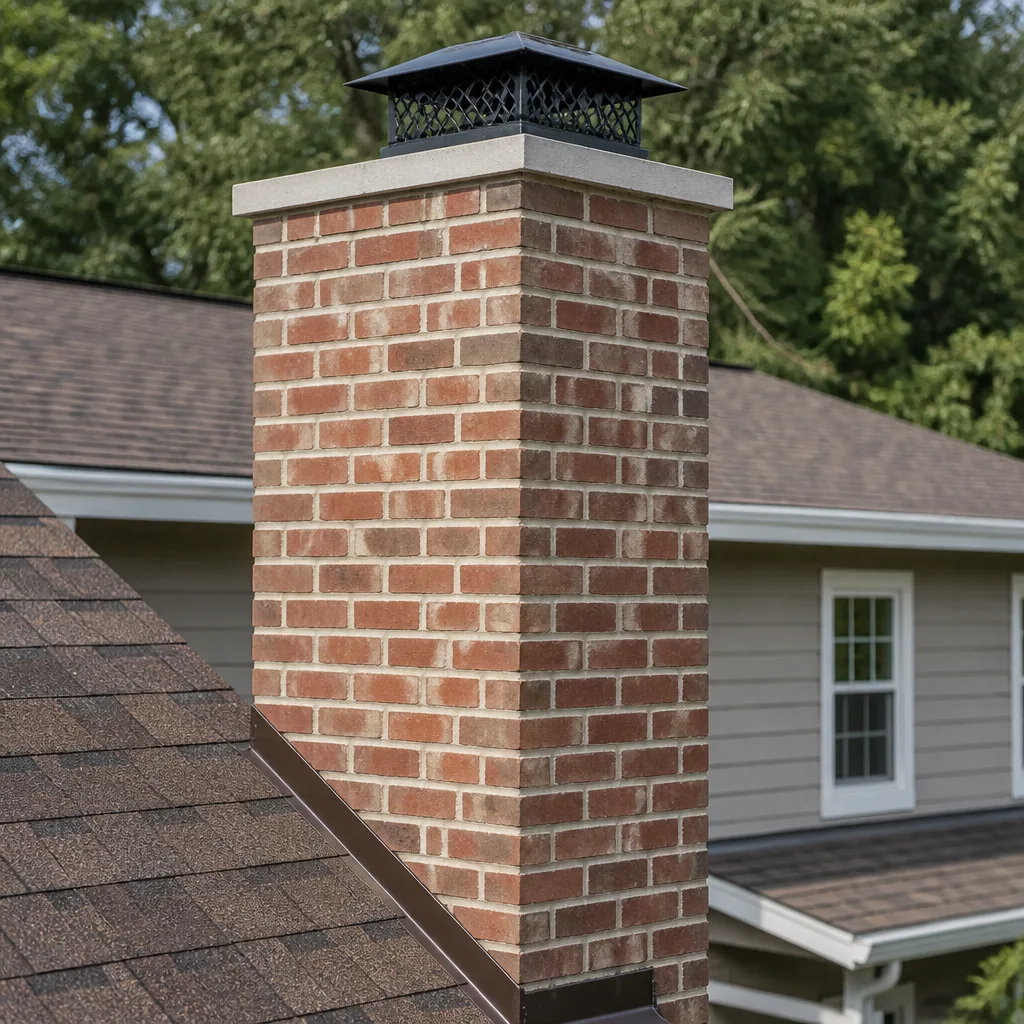
- Brick and mortar: new spalling, joint erosion, or efflorescence (white mineral deposits indicating water movement)
- Flashing: separation, corrosion, or seal failure at the roof intersection
- Chimney lean or settlement: any change in plumb from previous documentation
Interior inspection (Level-2 camera):
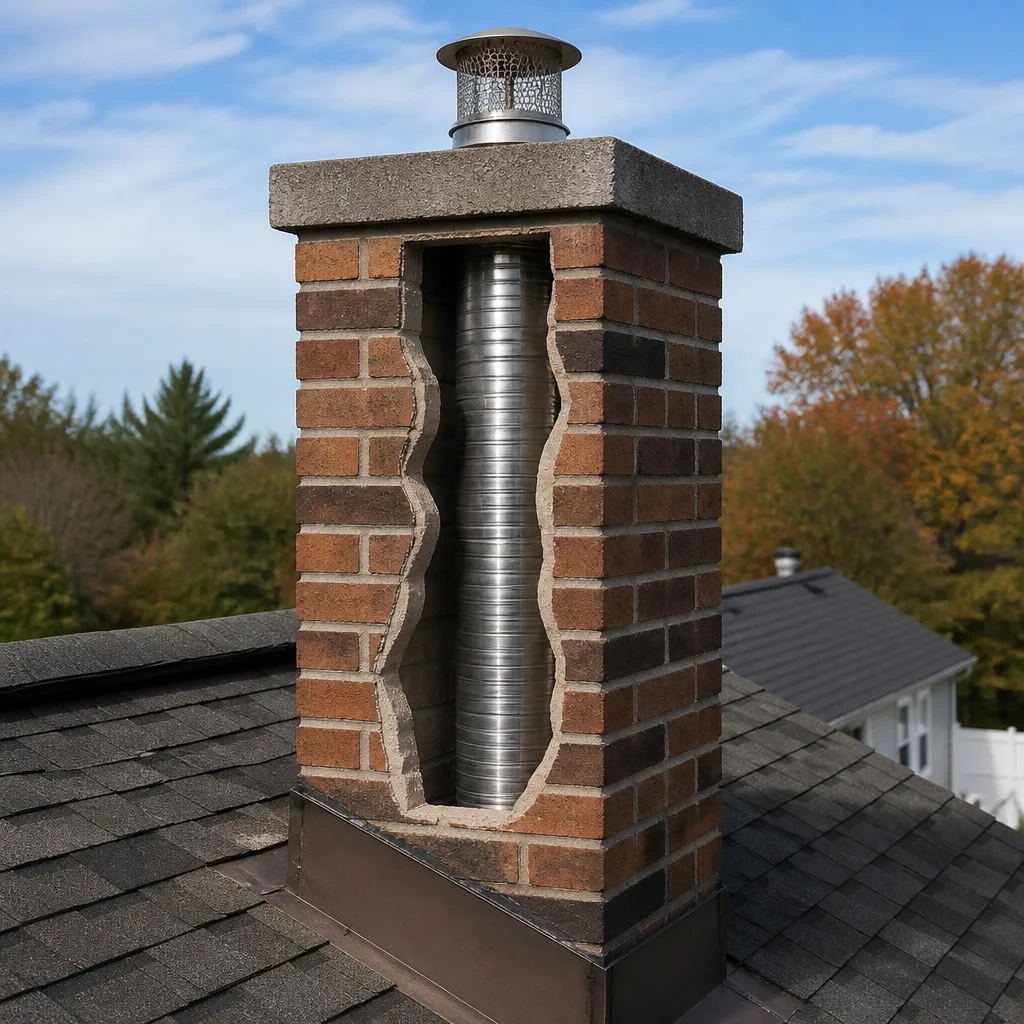
- Flue tile condition: new cracks, spalling, or glaze buildup from the season
- Mortar joints between flue tiles: erosion or gaps that would allow flue gases to enter chimney structure
- Smoke chamber: parge coat integrity, any exposed corbelling
- Firebox: brick or refractory panel condition, grate support integrity
- Damper: operational wear, corrosion, or mechanical fatigue
The documentation from this inspection becomes your baseline for the coming year. We provide photos and a plain-English verdict: what needs attention now, what can wait until summer, what’s advisable to monitor. Nothing is recommended without camera evidence you can see for yourself.
In Elizabeth’s market, addressing issues identified in spring typically costs 30-40% less than the same repair in October. Material costs don’t change, but the urgency does. A crown crack in April can be sealed for $400-600. The same crack, left through summer and fall, admits water that deteriorates the crown structure and requires full rebuild at $1,800-2,500.
We’ve completed chimney repair in Elizabeth for homeowners who’ve learned this lesson the hard way. The ones who call in March never seem to become the October emergencies.
What Seasonal Chimney Care Costs in Elizabeth
Pricing transparency matters, particularly for homeowners who’ve been surprised by contractor bills before. For detailed pricing information, see our Chimney Cleaning Cost Breakdown: The Elizabeth Homeowner’s Reference for 2026. Here’s what seasonal chimney care typically costs in the Elizabeth market, based on our 2024-2025 service data.
| Service | Typical Range | Notes |
|---|---|---|
| Annual chimney sweep (Level-1) | $189 – $275 | Includes basic inspection; most Elizabeth homes fall in this range |
| Level-2 camera inspection | $289 – $375 | Required for real estate transactions, post-event, or when changing appliance type |
| $89 Seasonal Tune-Up | $89 | Fall pre-season protocol; damper, cap, draft test, visual check |
| Crown crack sealing | $400 – $650 | Professional-grade crown sealant; 5-year warranty |
| Cap replacement (standard stainless) | $325 – $495 | Includes removal of damaged cap, proper fit to flue |
| Flashing repair | $450 – $850 | Varies with roof pitch and accessibility |
| Damper repair/replacement | $375 – $695 | Throat or top-mount depending on application |
| Chimney relining (stainless) | $2,400 – $4,200 | Includes removal of damaged tiles, insulation, and connection; DuraFlex or equivalent |
These are upfront prices. The number on the estimate is the number on the invoice. We don’t upsell in the home, and we don’t recommend work without showing you the photos that justify it.
Available discounts: $50 off any repair over $250; free second opinion on any written estimate; permanent 5% senior and veteran discount. These combine with our 90-Day Done Right Promise: if it’s not done right, we make it right, in writing, no arguing.
Common Mistakes to Avoid
- Waiting for fall to schedule cleaning. By October, every sweep in Union County is booked two weeks out. The creosote has sat through humid summer. And you’re rushing repairs that should have been done in dry July weather.
- Ignoring summer exterior checks. That ten-minute ground-level scan catches crown cracks before they admit the water that destroys mortar joints. We’ve repointed chimneys in Elizabeth that would have needed only crown sealing if caught in June.
- Assuming no fire means no maintenance. Unused chimneys deteriorate faster in some ways. Without drying heat, moisture accumulates. Without regular inspection, animal nests block flues. Winterize properly or inspect annually regardless of use.
- Using the cheapest sweep available. Elizabeth has one-truck operators who’ll sweep for $99 and never run a camera. You get what you pay for: a brushed flue and no documentation of the crack that’s two years from requiring a $3,000 reline. Our chimney cleaning and sweep in Elizabeth includes documented inspection as standard.
- Skipping the post-season inspection. “It worked fine all winter” misses the point. Winter working is winter stressing. The damage is there in March. Find it before it compounds.
- DIY crown sealing with hardware store products. Crown sealant must be elastomeric, rated for freeze-thaw cycling, and applied to a properly prepared surface. We’ve removed failed DIY applications that trapped water against the crown and accelerated deterioration.
- Neglecting gas fireplace chimneys. Gas produces less creosote but creates corrosive condensation, particularly in exterior chimneys common in Elizabeth’s 1960s and 1970s construction. These need inspection every two years minimum.
When to Call a Professional
Call when you see visible damage from ground level: crown cracks, missing mortar, displaced caps. Call when you smell unusual odors from the fireplace. Call when draft performance changes, when smoke spills, or when your carbon monoxide detector activates. Call after any chimney fire, however minor, and after any severe weather event that might have damaged the structure.
Call before you need to. The homeowners who never have October emergencies are the ones who called in April.
Hearthstone Chimney Co. offers free estimates in Elizabeth. A live person answers every call, 24 hours a day, seven days a week. Call (908) 923-3159, or visit our Hearthstone Chimney Co. home page to learn more about our services. We also provide fireplace services in Elizabeth for homeowners considering upgrades or conversions.
Frequently Asked Questions
A standard chimney sweep in Elizabeth typically costs between $189 and $275, including a basic visual inspection. A Level-2 camera inspection, recommended for most annual service, runs $289 to $375. Call (908) 923-3159 for an exact quote - estimates are free.
The National Fire Protection Association recommends annual inspection for all chimneys, and sweeping when creosote reaches 1/8 inch. For Elizabeth homeowners who burn wood more than three times weekly during season, we recommend annual sweeping every spring. Gas fireplace chimneys need inspection every two years. Call us to discuss your specific burning pattern.
Only if inspection shows the existing liner is damaged beyond safe use. We never recommend liner replacement without camera evidence you can see: cracked flue tiles, missing mortar between tiles, or gaps that allow flue gases to enter the chimney structure. In Elizabeth’s older homes, particularly pre-1950 construction in Elmora and Westminster, unlined chimneys or deteriorated clay tiles are common. A stainless steel liner from DuraFlex, properly insulated and connected, is a permanent solution. But if your liner is sound, we say so plainly.
Three things, progressively. First, creosote accumulates, increasing fire risk and reducing draft efficiency. Second, moisture intrusion through uncaught cracks deteriorates mortar and brick, leading to structural spalling and joint failure. Third, the cost of delayed maintenance compounds: a $400 crown seal becomes a $2,400 crown rebuild, and eventually a $8,000-15,000 partial chimney rebuild. In Elizabeth’s humid climate, this progression accelerates compared to drier regions.
Light creosote removal with proper brushes and rods is within capable homeowner reach, though it requires roof access or specialized tools for thorough flue cleaning. However, we do not recommend DIY for several reasons. You cannot run a camera inspection without equipment that costs more than professional service. You cannot assess flue tile condition from the firebox. And Elizabeth’s building code requires licensed professionals for any liner work or structural repair. The savings rarely justify the risk of missing critical damage. Call (908) 923-3159 to discuss what’s involved.
Summer chimney odors in Elizabeth are almost always moisture-activated creosote deposits combined with negative air pressure in the home. The humidity rehydrates dried creosote, releasing acidic compounds. Meanwhile, air conditioning creates lower indoor pressure than outdoors, drawing those odors down the flue. A spring sweep removes the odor source, and we can evaluate draft and pressure issues if odors persist. This is particularly common in tighter, newer homes in the Keighry Head area.
The Seasonal Tune-Up includes our five-step fall pre-season protocol: damper operation and lubrication, cap and crown verification, first-fire draft test, visual flue check from below, and combustible clearance verification. It’s a condition assessment and preparation service, not a full sweep. If we find significant creosote buildup, we’ll recommend scheduling a full cleaning. The Tune-Up is designed to catch the problems that develop between annual services.
The Bottom Line
Chimney care in Elizabeth runs on a twelve-month cycle, not a fall rush. Spring cleaning prevents summer humidity damage. Summer exterior checks catch deterioration before fall rain. Fall protocol prevents first-fire surprises. Winter monitoring catches active-use problems. Post-season inspection documents damage while repairs are still small.
The homeowners who follow this cycle rarely have emergencies. The ones who don’t, we often meet in October, when the repair costs three times what it would have in April. The choice is that direct.
We’ve been serving Elizabeth and Union County for over 42 years. We’re not going anywhere. And we stand behind every job with the 90-Day Done Right Promise: in writing, no arguing. Done right, or we make it right.
Call (908) 923-3159 to schedule your seasonal service, or request a free estimate. A live person will answer, any hour, any day.
Written by Russell Haines, Owner at Hearthstone Chimney Co., serving Elizabeth since 2014.